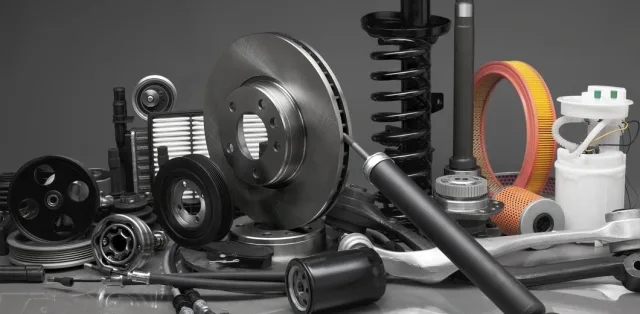
One of those raising the alarm about the current state of affairs is Daimler. Last year, the concern initiated more than 500 raids aimed at identifying counterfeit goods. The fight was successful to some extent: over the year, 138,000 counterfeit products were seized. And across the industry as a whole – over 1.5 million units, the Daimler press service reported.
At the same time, the concern admits that the fight against counterfeiting could be even more effective, but some raids are often postponed – due to closed courts (or at least limited in their work), which is also related to lockdowns due to COVID-19.
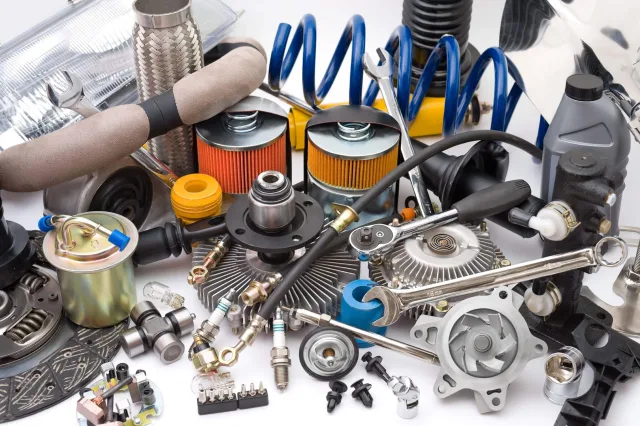
Daimler emphasized that it pays the most attention to counterfeit products that relate to vehicle safety components: in particular, brake discs and wheel rims. However, detecting fakes is quite difficult: they often look like genuine ones and even meet some standards, but their quality is significantly lower than that of original products. The Germans became convinced of this after testing several counterfeit parts. In particular, it was found that fake brake mechanisms stop and slow down the car significantly worse. In addition, these same parts showed significant wear during resistance testing.
The trade association Unifab noted that fake parts often bring more profit than drugs: "The best way to avoid counterfeits is to use common sense and buy parts from official dealers or reputable companies." At the same time, special attention should be paid to prices – a suspiciously low cost of a particular product should raise doubts about its quality.