The officials conducted the study on their own – they tested each model, made the appropriate measurements, and then identified the least "voracious" cars. As a result, the following results were obtained:
The most economical Japanese cars
Passenger cars
• Toyota Yaris — 2.7 l per 100 km;
• Toyota Prius — 3.1 l per 100 km;
• Toyota Yaris Cross — 3.25 l per 100 km;
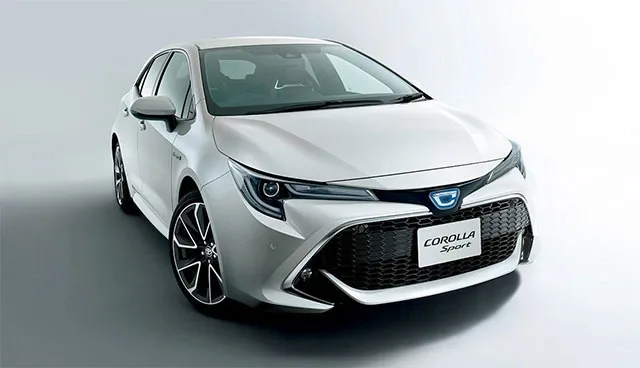
• Toyota Corolla Sport — 3.3 l per 100 km;
• Toyota Aqua — 3.35 l per 100 km;
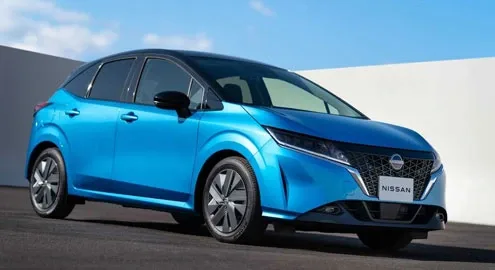
• Nissan Note — 3.4 l per 100 km;
• Honda Fit — 3.4 l per 100 km;
• Toyota Corolla — 3.44 l per 100 km;
• Toyota Corolla Touring — 3.44 l per 100 km;
• Honda Insight — 3.5 l per 100 km.
Kei cars
• Suzuki Alto — 3.9 l per 100 km;
• Mazda Carol — 3.9 l per 100 km;
• Suzuki Wagon R — 4 l per 100 km;
• Mazda Flair — 4 l per 100 km;
• Suzuki Lapin — 4 l per 100 km;
• Daihatsu Mira e:S — 4 l per 100 km;
• Subaru Pleo Plus — 4 l per 100 km;
• Toyota Pixis Epoch — 4 l per 100 km;
• Suzuki Hustler — 4 l per 100 km;
• Mazda Flair Crossover — 4 l per 100 km.
As can be seen from the results, although kei cars are smaller than traditional cars, they turned out to have a bigger appetite. However, this is not surprising if you delve into the technical details: microcars are offered in Japan mainly with petrol engines, while ordinary passenger cars have economical hybrid modifications.