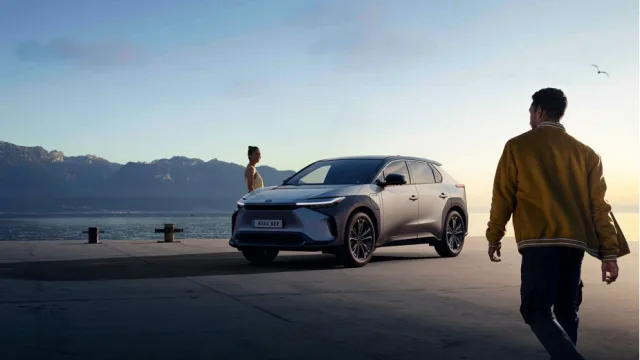
За своїми габаритами він трохи перевершує RAV4, проте об'єм багажного відділення у нього на 128 літрів менший.
Як і в більшості електрокарів, головною перевагою bZ4X, ймовірно, стане просторий салон для пасажирів, чому сприяють подовжена колісна база та рівна підлога. У Toyota зазначають, що окрім місткості, модель може похвалитися гарною аеродинамікою, зокрема завдяки суцільним підкрилкам. bZ4X пропонується у двох варіантах: з переднім приводом на 204 к.с. та повним приводом на 217 к.с.
Подібно до інших електромобілів на ринку, ця модель підтримує режим керування однією педаллю (One Pedal).
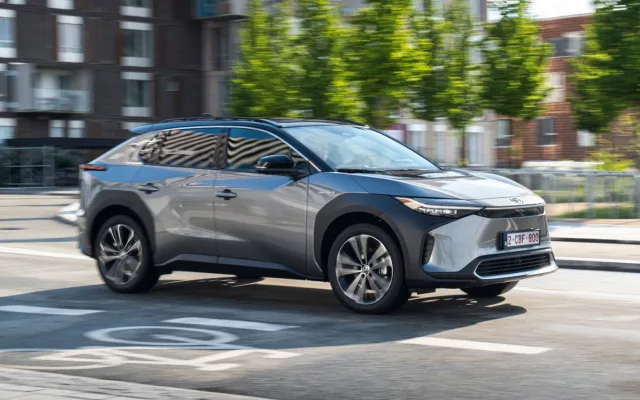
Автомобіль створено на спеціалізованій платформі, призначеній виключно для електричних моделей, яку Toyota планує використовувати в межах своєї стратегії розвитку електромобілів під суббрендом Beyond Zero (bZ).
Китайська компанія, що займається продажем електромобілів, - https://energy-hub.com.ua/ua/, допоможе вам обрати електроавто відповідно до ваших уподобань та бюджету, надавши безкоштовну консультацію.
Доступні двигуни для Toyota bZ4X
Базова версія bZ4X укомплектована одним електромотором потужністю 204 к.с. з піковим крутним моментом 265 Нм, що обертає передні колеса. Старша модифікація отримала додатковий двигун на задній осі, що забезпечує повний привід, сумарну потужність 217,5 к.с. та сумарний крутний момент 336 Нм.
Обидві версії мають функцію "Одна педаль", яка дозволяє водієві в повсякденних умовах не користуватися гальмівною педаллю, регулюючи швидкість аж до повної зупинки лише акселератором.
Технічні особливості
У bZ4X вперше застосовано рульове керування Toyota "по дротах", що передбачає відсутність механічного з'єднання між кермом та колесами.
За словами виробника, водій більше не відчуває вібрацій від шин, але при цьому отримує інформацію про нерівності дорожнього покриття, що допомагає оцінювати зчеплення з дорогою.
Для повного повороту коліс достатньо повернути кермо лише на 150 градусів, тому в Toyota застосували нову конструкцію керма під назвою One Motion Grip, яка дозволяє відмовитися від традиційного обода, адже теоретично руки не потрібно перехоплювати між крайніми положеннями.
Toyota надає гарантію, що акумулятор bZ4X збереже 70% своєї корисної ємності після 1 млн км пробігу або 10 років експлуатації, а 90% — після 240 тис. км.
Для підтримання оптимальної температури акумулятора та салону в bZ4X передбачено обігрів за допомогою теплового насоса, а також доступний опційний інфрачервоний випромінювач для обігріву ніг водія та переднього пасажира, який пропонується разом із підігрівом сидінь.
Враження від керування та економічність
Цей автомобіль більше орієнтований на комфорт, ніж на динаміку, хоча й у цьому аспекті він не поступається конкурентам.
Рух відбувається тихо, і хоча це властиво багатьом електричним позашляховикам, у Toyota bZ4X особливо помітна якісна шумоізоляція: шум від коліс та вітру майже не проникає в салон.
Підвіска налаштована м'яко, але працює ефективно: вона добре поглинає нерівності, але при цьому запобігає надмірним кренам та розгойдуванню кузова.
Коли bZ4X долає вибоїни або неякісне покриття, поштовхи в салоні майже не відчуваються. Якщо ж ви вирішите швидко увійти в поворот, автомобіль впевнено тримає траєкторію, залишаючись безпечним і добре контрольованим.
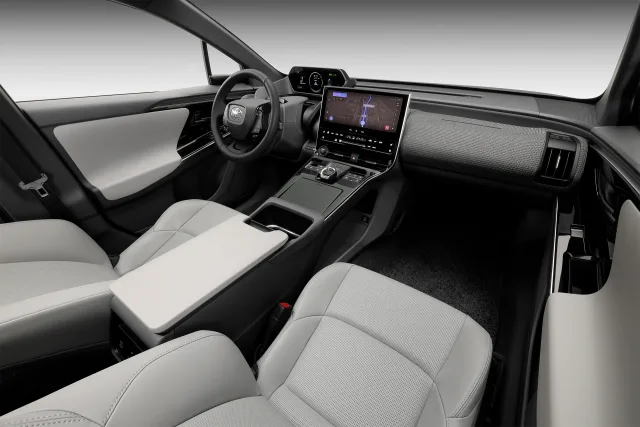
Відчуття від керма дещо кращі, ніж зазвичай у цьому сегменті. У багатьох сучасних електричних позашляховиках гальма часто бувають неточними, а кермо — надто штучним.
У випадку з bZ4X цих недоліків немає, принаймні вони не дратують. Гальмування добре дозується, а рульове управління передає водієві достатньо інформації, щоб відчувати дорогу.
Найкомфортніше їздити в місті та на швидкісних трасах. Звісно, не через стояння в заторах, а завдяки чудовій оглядовості, легкому маневруванню та плавному руху в потоці, що забезпечується прискоренням і тишею.
На дорогах із зустрічним рухом проблем не виникне, але це не автомобіль, який "обожнює" повороти. Він добре тримає траєкторію, достатньо стійкий і точний, однак якщо ви плануєте агресивну їзду або різкі маневри, доведеться розраховувати на систему стабілізації, щоб уникнути заносу в найкрутіших віражах.
Витрата енергії
Toyota заявляє, що середнє споживання електроенергії становить від 14,4 до 18,0 кВт-год/100 км залежно від модифікації bZ4X. Обидва показники є досить скромними для великого позашляховика, і, судячи з практики, можна досягти низької витрати за умови спокійного та розміреного стилю водіння. Автомобіль відчутно аеродинамічний: він легко котиться за інерцією та без зусиль підтримує швидкість на трасі.
Динамічні характеристики
Версія потужністю 204 к.с. прискорюється з 0 до 100 км/год за 8,4 секунди, а її максимальна швидкість обмежена 160 км/год. Потужніша модифікація на 218 к.с. розганяється до сотні за 7,7 секунди, але має таку ж максимальну швидкість — 160 км/год.
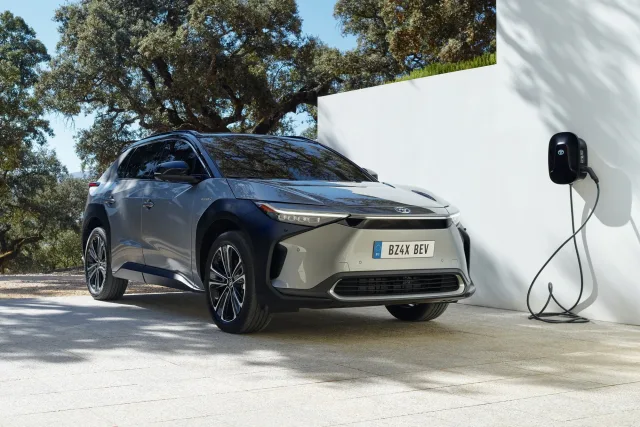
При натисканні на педаль акселератора bZ4X демонструє плавне, але впевнене прискорення, яке відчувається як потужний поштовх уперед. Автомобіль швидший, ніж здається на перший погляд, хоча це не дивно, адже багато електромобілів приховують свою динаміку за тишею. Під час обгону або виїзду на зустрічну смугу запасу потужності цілком достатньо для швидкого маневру.
Зарядка та запас ходу
За інформацією Toyota, батарея ємністю 71,4 кВт-год здатна заряджатися від швидкісних зарядних станцій постійного струму потужністю до 150 кВт. За таких умов для досягнення 80% заряду з майже порожньої батареї знадобиться приблизно 30 хвилин. Це стандартний показник для конкурентів.
Ми рекомендуємо цей автомобіль тим, хто особливо цінує комфорт у поїздках, оскільки він забезпечує одну з найтихіших подорожей серед електричних позашляховиків свого розміру та цінової категорії.