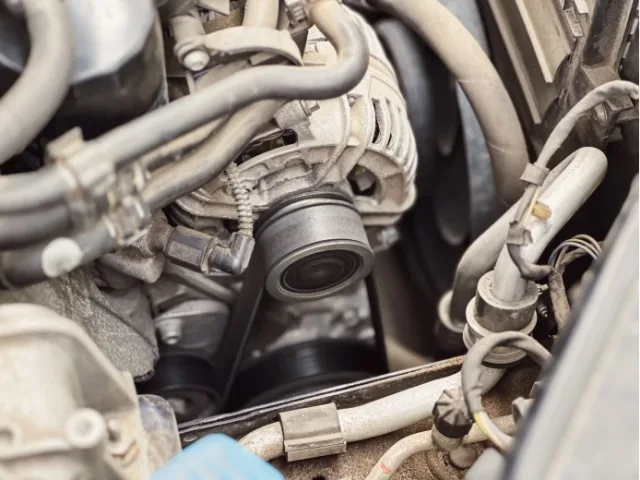
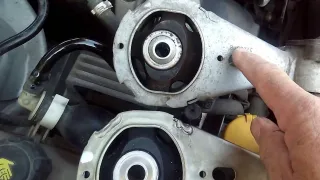
Ремень генератора отвечает за работу многих систем автомобиля: зарядку аккумулятора, работу электрооборудования и иногда за привод водяного насоса. Если он натянут неправильно, появляются свист, проскальзывание или быстрый износ. Поэтому каждому автовладельцу важно знать, как правильно натянуть ремень генератора и какие нюансы учитывать для разных моделей авто.
Признаки неправильного натяжения ремня
Перед тем как приступить к регулировке, стоит понять, в чём проблема. Основные признаки:
слышен свист при запуске или на холодную;
ремень проскальзывает при резком включении нагрузки;
на ремне видны трещины или следы износа;
аккумулятор стал плохо заряжаться;
появляется вибрация от генератора.
Если игнорировать эти признаки, можно столкнуться с обрывом ремня и дорогостоящим ремонтом.
Как правильно натянуть ремень генератора
Общий принцип одинаков для большинства автомобилей. Ремень должен быть натянут так, чтобы при нажатии пальцем в середине его ветви он прогибался на 1-1,5 см. Если натяжение слабое, его нужно подтянуть. Пошагово это выглядит так:
Отключите аккумулятор.
Ослабьте крепёж генератора или натяжного ролика.
С помощью монтажки или специального болта натяните ремень.
Проверьте прогиб ремня рукой.
Затяните крепёж и снова проверьте натяжение после запуска двигателя.
Теперь разберём конкретные модели.
Как натянуть ремень генератора Ланос
Многие владельцы интересуются, как натянуть ремень генератора Ланос. Здесь используется регулировочный болт:
ослабьте нижний крепёж генератора;
вращайте регулировочный болт до нужного натяжения;
проверьте прогиб ремня (1 см считается нормой);
затяните все крепления.
Как натянуть ремень генератора на Гранте
Чтобы понять, как натянуть ремень генератора на Гранте, достаточно знать, что принцип похож:
генератор крепится на планке с регулировочным винтом;
ремень натягивается вращением винта;
после регулировки винт фиксируется, а крепления затягиваются.
Как натянуть ремень генератора ВАЗ 2114
На ВАЗ 2114 регулировка выполняется следующим образом:
ослабьте гайку крепления генератора;
установите монтажку между генератором и двигателем, подтяните его;
удерживая генератор в нужном положении, затяните крепёж.
Как натянуть ремень генератора на Рено Кенго
Многих владельцев интересует, как натянуть ремень генератора на Рено Кенго. В этих автомобилях чаще используется автоматический натяжитель. Но если он вышел из строя или стоит ручной вариант:
ослабьте крепление натяжного ролика;
поверните ролик ключом, чтобы ремень натянулся;
зафиксируйте ролик.
Если установлен автоматический натяжитель, а ремень всё равно свистит - скорее всего, дело в износе самого натяжителя.
Как натянуть ремень генератора на Газели
На Газели принцип такой же, как на классических ВАЗах:
ослабляется крепление генератора;
генератор отодвигается от двигателя монтажкой;
ремень натягивается до нужного прогиба;
болты фиксируются.
Как натянуть ремень генератора Форд Фокус 3
Для тех, кто хочет понять, как натянуть ремень генератора Форд Фокус 3, важно знать: здесь используется автоматический натяжитель. Ручная регулировка невозможна. Поэтому при свисте или проскальзывании нужно менять либо ремень, либо сам натяжитель.
Как натянуть ремень генератора Кадди
На Volkswagen Caddy конструкция зависит от поколения. Чаще всего установлен автоматический ролик:
чтобы заменить или подтянуть ремень, ролик поворачивается ключом, ремень надевается, а затем ролик отпускается;
натяжение регулируется автоматически.
Если установлен ручной натяжитель, процедура аналогична Рено Кенго или Ланосу.
Итог
Теперь вы знаете, как натянуть ремень генератора в автомобиле. Важно помнить, что перетянутое состояние так же вредно, как и слабое натяжение: это приводит к износу подшипников генератора. На Ланосе и ВАЗ 2114 натягивают вручную, на Гранте используется винтовая регулировка, а на Рено Кенго, Форд Фокус 3 и Кадди чаще всего стоят автоматические ролики. На Газели всё решается обычным смещением генератора.