Что такое впускной коллектор в автомобиле и где он находится?
Anna Tkach
AutoPortal editorial team
2,073 views
2 min read
Автомобильный двигатель состоит из множества систем и узлов, каждый из которых выполняет свою функцию. Одним из ключевых элементов является впускной коллектор. Многие автолюбители слышали это название, но не всегда понимают, что это за деталь, зачем она нужна и где находится впускной коллектор. Давайте разберёмся подробнее.
Что такое впускной коллектор
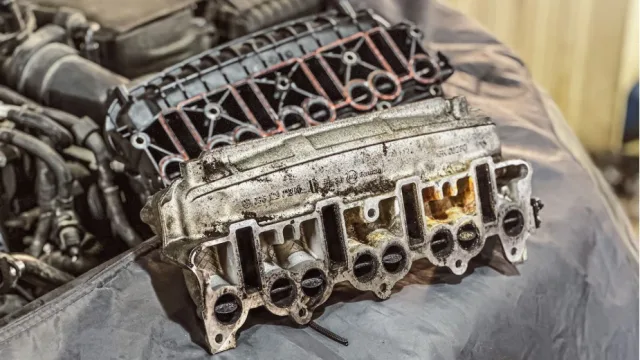
Прежде чем искать, где он установлен, стоит понять, что такое впускной коллектор. Это специальная часть двигателя, отвечающая за равномерную подачу воздушно-топливной смеси в цилиндры. Коллектор соединяет дроссельную заслонку и впускные клапаны, распределяя воздух по каждому цилиндру. По сути, его можно сравнить с распределителем: он берёт поток воздуха и направляет его так, чтобы в каждый цилиндр попадало одинаковое количество. Если распределение будет неравномерным, двигатель потеряет мощность, увеличится расход топлива и снизится срок службы мотора.
Впускной коллектор: где находится
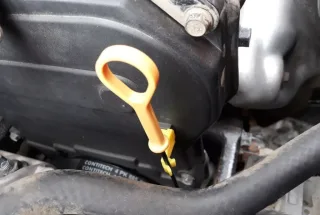
Многих интересует вопрос: впускной коллектор где находится? Как правило, он располагается в верхней части двигателя, ближе к головке блока цилиндров. На большинстве современных машин его легко найти под капотом: это крупная деталь, имеющая несколько ответвлений (по количеству цилиндров). Если вы откроете капот и увидите конструкцию с металлическими или пластиковыми трубами, идущими к каждому цилиндру - скорее всего, это и есть впускной коллектор.
Из чего делают впускные коллекторы
Материал зависит от конструкции автомобиля. Раньше они были исключительно металлическими (чугун, алюминий), сегодня же часто применяют прочный пластик. Пластиковые коллекторы легче, дешевле и обеспечивают более гладкий внутренний канал, что улучшает подачу воздуха.
Принцип работы
Чтобы лучше понять, что это такое - впускной коллектор, нужно рассмотреть его работу:
Воздух поступает через воздушный фильтр.
Проходит через дроссельную заслонку.
Попадает во впускной коллектор.
Коллектор распределяет поток по цилиндрам.
Через впускные клапаны воздух поступает в камеру сгорания.
Если речь идёт о машинах с турбонаддувом, то воздух дополнительно подаётся под давлением, а коллектор также выдерживает повышенную нагрузку.
Типичные неисправности впускного коллектора
Теперь, когда мы разобрались, что такое впускной коллектор и где он находится, стоит упомянуть и о проблемах, которые могут возникать:
трещины или повреждения корпуса;
подсос лишнего воздуха;
загрязнение каналов;
неисправности заслонок переменной геометрии.
Симптомами неисправностей могут быть нестабильная работа двигателя, падение мощности, повышенный расход топлива.
Почему важно знать, где находится впускной коллектор
Для простого автолюбителя знание точного расположения коллектора под капотом нужно хотя бы для базовой диагностики. Например, при осмотре вы можете заметить трещины, масляные следы или подтеки, что укажет на возможную неисправность. Кроме того, если вы знаете, где находится впускной коллектор, проще контролировать работу сервиса: мастер сразу поймёт, что вы разбираетесь в конструкции автомобиля.
Итог
Итак, мы выяснили, что такое впускной коллектор - это узел, отвечающий за подачу воздуха в цилиндры двигателя. Мы разобрались, где находится впускной коллектор - обычно на верхней части двигателя, рядом с головкой блока цилиндров. Знание этой информации помогает лучше понимать устройство автомобиля и вовремя реагировать на неисправности.