Современный двигатель автомобиля устроен так, чтобы водитель получал максимум комфорта и минимальные затраты на обслуживание. Одним из узлов, который помогает уменьшить шум мотора и избавляет владельца от необходимости регулярной регулировки клапанов, является гидрокомпенсатор. Чтобы лучше понять принцип его работы, давайте подробно разберёмся, как работает гидрокомпенсатор и какие нюансы стоит учитывать.
Что такое гидрокомпенсатор
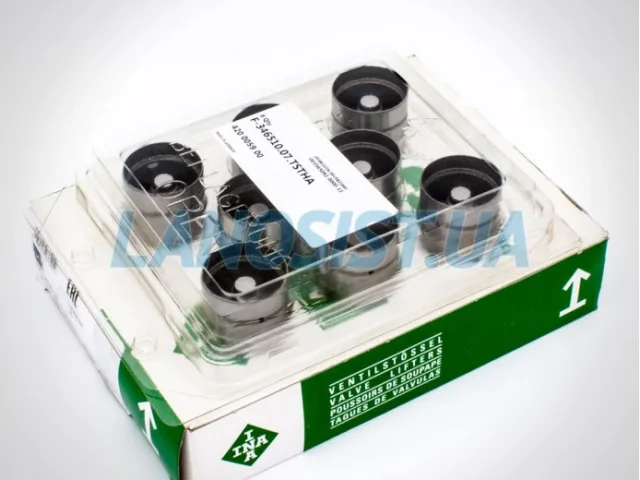
Гидрокомпенсатор - это небольшой, но важный элемент газораспределительного механизма двигателя. Его основная задача заключается в автоматической компенсации тепловых зазоров между кулачками распределительного вала и клапанами. Когда двигатель нагревается, металлические детали расширяются. Если зазор между клапаном и толкателем будет слишком маленьким или слишком большим, мотор начнёт работать нестабильно. Раньше водителям приходилось регулярно регулировать эти зазоры вручную, но гидрокомпенсатор делает это автоматически.
Как работает гидрокомпенсатор
Чтобы разобраться, гидрокомпенсатор как работает, рассмотрим его конструкцию и принцип действия. Внутри гидрокомпенсатора находится небольшой плунжер и полость, заполненная моторным маслом. Когда кулачок распределительного вала нажимает на толкатель, масло внутри компенсатора перераспределяется, поддерживая оптимальный зазор. Как только нагрузка снимается, пружина возвращает элемент в исходное положение, а через клапан внутрь поступает новая порция масла. Проще говоря, как работает гидрокомпенсатор клапанов: он автоматически подстраивается под тепловое расширение деталей и обеспечивает постоянный контакт между распределительным валом и клапаном.
Как работает гидрокомпенсатор на Ланосе
Многие владельцы интересуются, как работает гидрокомпенсатор Ланос. В автомобилях Daewoo Lanos используется классическая схема работы компенсаторов, где масло из системы смазки двигателя подаётся в специальные каналы. Давление масла обеспечивает корректную работу плунжера и исключает необходимость регулировать клапана вручную. Таким образом, владелец Ланоса может быть уверен, что при исправных компенсаторах и своевременной замене масла двигатель будет работать мягко и без характерного "цокота".
Преимущества использования гидрокомпенсаторов
Теперь, когда мы разобрались, как работает гидрокомпенсатор автомобиля, стоит отметить его плюсы:
отсутствие необходимости регулировать клапаны вручную;
снижение уровня шума двигателя;
продление срока службы деталей ГРМ;
более стабильная работа двигателя при разных температурах.
Как проверить, работает ли гидрокомпенсатор
Водителям важно знать не только как работает гидрокомпенсатор клапанов, но и как определить его неисправность. Симптомы поломки могут быть следующими:
характерный металлический стук («цокот») при запуске холодного двигателя;
шум, который не пропадает даже после прогрева;
падение мощности двигателя;
неравномерная работа мотора на холостых оборотах.
Чтобы понять, как проверить работает ли гидрокомпенсатор, можно прислушаться к двигателю. Если стук исчезает спустя несколько минут после запуска - это норма. Если же он остаётся постоянно, значит компенсатор неисправен. Более точную диагностику проводят в сервисе - замеряют давление масла, снимают клапанную крышку и проверяют каждый элемент.
Почему гидрокомпенсаторы выходят из строя
Даже зная, как работает гидрокомпенсатор, нужно помнить, что он чувствителен к качеству масла. Основные причины поломок:
использование некачественного или неподходящего по вязкости масла;
редкая замена масла и фильтров;
попадание грязи или нагара в систему смазки;
естественный износ деталей.
Что делать при неисправности гидрокомпенсатора
Если компенсаторы вышли из строя, двигатель начнёт работать с сильным шумом и потеряет часть мощности. В этом случае необходимо заменить изношенные элементы. Важно понимать, что ремонт гидрокомпенсаторов практически не выполняется - их проще и надёжнее заменить новыми.
Итог
Мы подробно рассмотрели, как работает гидрокомпенсатор и почему он играет ключевую роль в исправной работе двигателя. Он автоматически регулирует тепловые зазоры клапанов, что избавляет водителя от лишнего обслуживания. Мы также разобрали, как проверить работает ли гидрокомпенсатор, какие признаки неисправности бывают и что делать при их появлении. Для автомобилей, включая популярный Ланос, принцип работы компенсаторов одинаков: они поддерживают оптимальный зазор и обеспечивают тихую и стабильную работу двигателя. Если вовремя менять масло и следить за состоянием системы смазки, гидрокомпенсаторы прослужат долго, а двигатель автомобиля будет работать мягко и без лишнего шума.