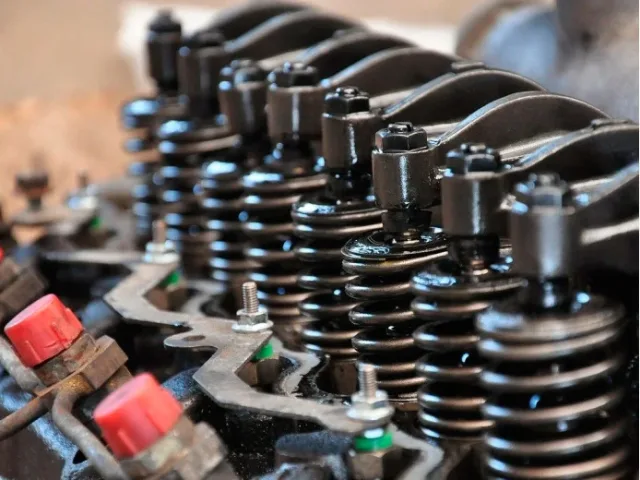
Гидрокомпенсаторы - важный элемент газораспределительного механизма двигателя. Их задача - автоматически регулировать зазор между клапаном и кулачком распредвала, обеспечивая стабильную работу мотора без необходимости постоянной регулировки. Однако со временем они могут изнашиваться, начинать шуметь или вовсе выходить из строя. В таком случае важно знать, как проверить гидрокомпенсатор, чтобы определить его состояние и вовремя устранить неисправность.
Признаки неисправности гидрокомпенсаторов
Прежде чем переходить к проверке, стоит понять, по каким симптомам можно заподозрить проблему:
характерный стук в двигателе (особенно на холодную);
повышенный шум на холостых оборотах;
нестабильная работа мотора;
падение мощности;
увеличенный расход топлива и масла.
Если появился звонкий металлический звук, который не исчезает после прогрева, значит, нужно разбираться, как проверить какой гидрокомпенсатор стучит и требуется ли его замена.
Как проверить снятый гидрокомпенсатор
Иногда для диагностики гидрокомпенсаторы приходится демонтировать. Многие задаются вопросом: как проверить снятый гидрокомпенсатор? Сделать это можно вручную:
Очистите деталь от масла и грязи.
Сожмите гидрокомпенсатор пальцами или в тисках.
Исправный элемент должен быть очень жёстким, почти не поддаваться давлению.
Если он легко продавливается - это явный признак неисправности.
Таким образом, если вы не знаете, как проверить снятый гидрокомпенсатор, достаточно просто проверить его жёсткость. Рабочая деталь всегда упругая, а неисправная - мягкая и податливая.
Как проверить, работает ли гидрокомпенсатор без снятия
Если нет возможности разобрать двигатель, можно провести проверку прямо на машине. Водителей часто интересует, как проверить работает ли гидрокомпенсатор, не снимая его. Основные методы следующие:
Слушаем двигатель - на холостых оборотах неисправный компенсатор издаёт ритмичный стук.
Наблюдаем за поведением мотора - при неисправности двигатель может нестабильно работать, появятся вибрации.
Тест при повышении оборотов - если звук уменьшается или исчезает после 2000-2500 об/мин, значит проблема именно в гидрокомпенсаторе.
При этом важно отличать его стук от шума других деталей - например, шатунных или коренных подшипников.
Как проверить, какой гидрокомпенсатор стучит
Когда вы понимаете, что источник шума именно гидрокомпенсатор, возникает другой вопрос: как проверить, какой гидрокомпенсатор стучит? Существует несколько способов:
С помощью стетоскопа или длинной отвёртки - прикладывая инструмент к разным зонам клапанной крышки, можно определить, откуда исходит звук.
Метод отключения цилиндров - при отключении зажигания или подачи топлива в конкретный цилиндр шум может измениться. Так можно локализовать неисправный компенсатор.
Визуальная диагностика после снятия крышки ГБЦ - часто неисправные элементы отличаются по внешнему состоянию (потёки, люфт).
Этот способ помогает понять, какой именно элемент требует замены.
Почему стучат гидрокомпенсаторы
Чтобы правильно диагностировать проблему, нужно знать причины, по которым возникает стук:
использование некачественного масла;
слишком густое масло, особенно зимой;
засорение масляных каналов;
износ самого гидрокомпенсатора;
повреждение клапанов или распредвала.
Иногда после замены масла стук исчезает сам по себе, если компенсаторы были просто «завоздушены».
Что делать, если гидрокомпенсаторы неисправны
После проверки возможны три варианта:
Стуки временные - помогают промывка и замена масла на более подходящее.
Лёгкий износ - можно попробовать использовать присадки для гидрокомпенсаторов.
Сильный износ или повреждение - единственный выход замена детали.
Помните: неисправные гидрокомпенсаторы - это не только неприятный звук, но и повышенный износ двигателя.
Итоги
Теперь вы знаете, как проверить гидрокомпенсатор и определить его состояние. Сделать это можно как без снятия - по звуку и поведению двигателя, так и с демонтажом - проверив жёсткость детали вручную. Если нужно понять, какой именно элемент неисправен, используют стетоскоп, отключение цилиндров или визуальный осмотр. Главное помнить: гидрокомпенсатор - это важная деталь системы ГРМ, от которой зависит работа всего мотора. Своевременная диагностика и замена помогут избежать серьёзных поломок и дорогостоящего ремонта.
Advertising
Comments
No comments yet. Say the first word.
Write a comment
No sign-up needed - just your name.
Write