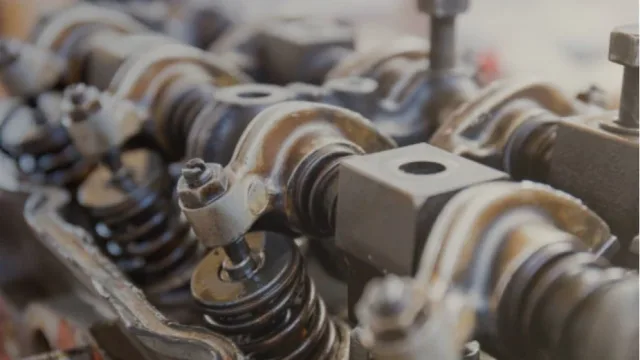
Гидрокомпенсаторы - важные элементы газораспределительного механизма двигателя, которые отвечают за автоматическую регулировку тепловых зазоров клапанов. Благодаря им мотор работает тише и стабильнее, без необходимости ручной регулировки. Однако со временем водители начинают замечать посторонние звуки. Возникает вопрос: почему стучит гидрокомпенсатор, опасно ли это и что делать в такой ситуации?
Основные причины стука гидрокомпенсаторов
Стук в клапанном механизме всегда говорит о нарушениях в работе. Наиболее частые причины следующие:
Некачественное или неподходящее масло - слишком густое масло не успевает быстро заполнять гидрокомпенсатор, особенно при запуске.
Износ или повреждение самого компенсатора - шарик, плунжер или пружина теряют работоспособность.
Низкий уровень масла в двигателе - гидрокомпенсатор работает «всухую».
Воздушные пробки в системе - при замене масла компенсаторы могут завоздушиться.
Таким образом, когда водитель слышит, что стучит гидрокомпенсатор, причина может быть как в простом несоответствии масла, так и в серьёзном износе деталей.
Стук на холодную
Часто бывает, что стучит гидрокомпенсатор на холодную, но по мере прогрева двигателя звук исчезает. Обычно это связано с тем, что густое масло при низкой температуре медленно поступает в компенсаторы. После прогрева оно становится более жидким и свободно циркулирует по системе, устраняя шум. В большинстве случаев такой стук не критичен, но это сигнал о том, что стоит проверить:
соответствует ли масло сезону (зимнее или всесезонное);
не подошёл ли срок его замены;
нет ли загрязнений в системе смазки.
Если при использовании качественного масла стук на холодную сохраняется, возможно, гидрокомпенсаторы начинают изнашиваться.
Стук на горячую
Бывает и обратная ситуация - стучит гидрокомпенсатор на горячую, то есть звук появляется после прогрева двигателя. Это более тревожный сигнал. Основные причины:
потеря давления масла из-за износа насоса или утечек;
сильный износ деталей гидрокомпенсатора;
перегрев масла и потеря его вязкости;
износ распредвала или клапанного механизма.
В отличие от стука «на холодную», шум на горячую чаще всего говорит о необходимости ремонта или замены деталей.
Чем опасен стук гидрокомпенсаторов
Игнорировать проблему не стоит. Постоянный стук приводит к:
ускоренному износу клапанов и распредвала;
падению мощности двигателя;
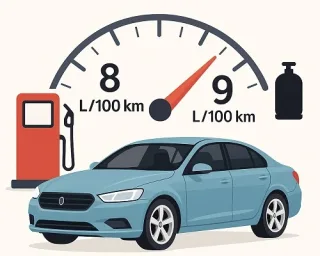
увеличенному расходу топлива;
риску серьёзных поломок в ГРМ.
Поэтому при первых симптомах лучше разобраться, почему стучит гидрокомпенсатор, и принять меры.
Что делать, если стучит гидрокомпенсатор
Проверить уровень и качество масла.
Заменить масло и масляный фильтр.
Использовать промывку системы или специальные присадки.
При необходимости - заменить неисправные гидрокомпенсаторы.
Если звук не исчезает после простых мер, лучше обратиться в сервис для диагностики.
Итоги
Теперь понятно, почему стучит гидрокомпенсатор и какие причины вызывают этот неприятный звук. На холодную он может стучать из-за густого масла или завоздушивания, а на горячую - из-за серьёзного износа или недостаточного давления. Своевременная диагностика и замена масла помогут продлить срок службы двигателя. А если стук не исчезает - значит, гидрокомпенсатор требует ремонта или замены.
Advertising
Comments
No comments yet. Say the first word.
Write a comment
No sign-up needed - just your name.
Write