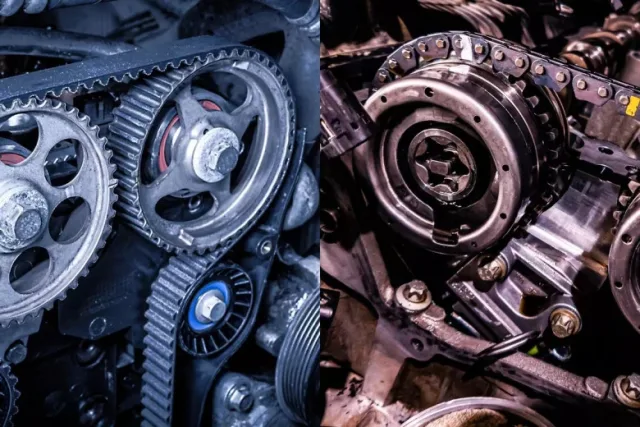
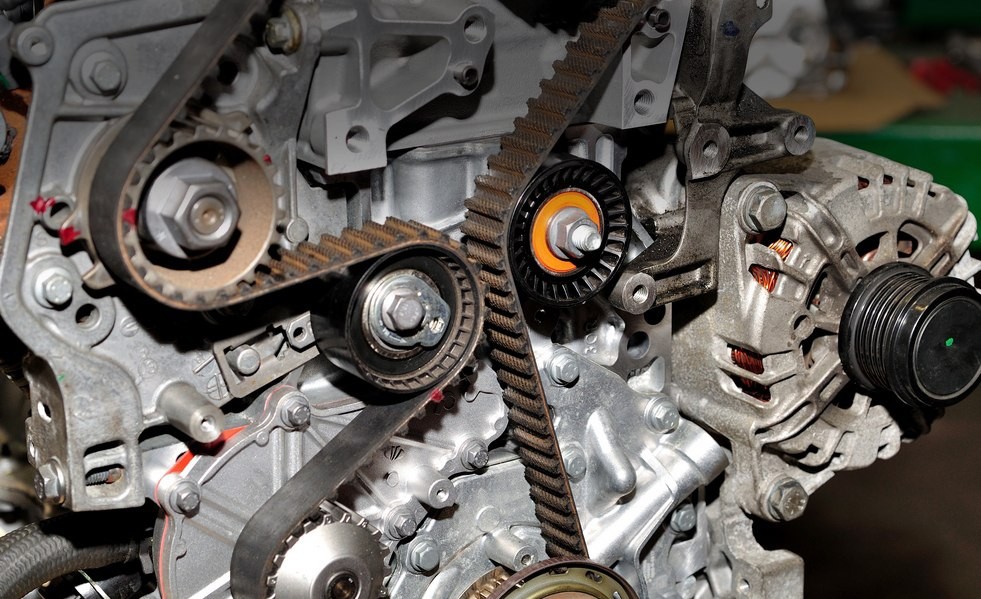
Ремень ГРМ (газораспределительного механизма) - ключовий елемент у двигателе внутреннего сгорания. Его задача - синхронизировать работу коленчатого и распределительного валов, обеспечивая точное открытие и закрытие клапанов. Своевременная замена ремня ГРМ - залог бесперебойной работы автомобиля и предотвращения дорогостоящего ремонта.
Почему важно менять ремень ГРМ вовремя?
Пропуск регламентной замены ремня ГРМ может привести к его обрыву, что часто вызывает повреждение клапанов и поршней. Такой ремонт может обойтись в десятки тысяч рублей, особенно зимой, когда эксплуатация автомобиля требует особого внимания к техническому состоянию.
Как часто нужно менять ремень ГРМ?
То, как часто менять ремень ГРМ, зависит от нескольких факторов:
Марка автомобиля. Например, на Lada Vesta рекомендуется замена каждые 60 000-90 000 км, тогда как на Skoda Octavia - каждые 90 000-120 000 км.
Условия эксплуатации. Частые короткие поездки зимой, пробки и агрессивный стиль вождения увеличивают нагрузку на ремень.
Возраст автомобиля. Даже если пробег небольшой, материал ремня стареет - обычно срок службы ремня по времени составляет 5-6 лет.
Качество деталей. Оригинальные ремни служат дольше, чем дешевые аналоги.
???? Совет: при каждом плановом ТО проверяйте состояние ремня ГРМ - наличие трещин, износа зубьев, замасливания или деформации.
Как часто менять ремень ГРМ зимой?
Зимой ремень ГРМ испытывает повышенные нагрузки: холод, перепады температур, обледенение подкапотного пространства. Поэтому производители и специалисты рекомендуют:
Проводить замену ремня ГРМ на 10-15% раньше, чем указано в инструкции.
Заменять ремень перед зимой, если ресурс близок к исчерпанию - особенно важно для водителей, выезжающих в морозные утренние часы.
Использовать оригинальные ремкомплекты, особенно если автомобиль используется для поездок за город или в командировки.
Как часто надо менять ремень ГРМ на популярных авто?
Lada Vesta: каждые 60 000-90 000 км или раз в 5 лет.
Skoda Octavia: 90 000-120 000 км или раз в 6 лет.
Hyundai Solaris / Kia Rio: 60 000-80 000 км.
Volkswagen Passat: до 150 000 км, но с учетом возраста - не более 6 лет.
Каждая модель автомобиля имеет свои регламенты, и важно не ориентироваться только на пробег. Зима ускоряет износ всех резинотехнических деталей, включая ремень ГРМ.
Стоит ли заменять ремень ГРМ раньше срока?
Если вы замечаете:
шумы в области ГРМ,
натянутый или, наоборот, провисший ремень,
свист при запуске двигателя, - не ждите полного износа. Профилактическая замена дешевле ремонта двигателя.
Совет: Меняйте вместе с ремнем натяжной ролик, помпу (если она приводится тем же ремнем) и болты - это избавит от повторных ремонтов.Как часто менять ремень ГРМ - вопрос, от которого зависит жизнь двигателя. Стандартно замена выполняется через 60 000-120 000 км или раз в 5-6 лет, но зимой лучше не рисковать и заменять раньше, особенно если поездки частые и на морозе. Для каждого авто, будь то Lada Vesta или Skoda Octavia, важно следовать рекомендациям завода-изготовителя, но также учитывать сезонные факторы. ? Замените ремень ГРМ до наступления морозов, чтобы избежать дорогостоящего ремонта в самый неподходящий момент.
Advertising
Comments
No comments yet. Say the first word.
Write a comment
No sign-up needed - just your name.
Write