Как проверить подшипник передней и задней ступицы?
Anna Tkach
AutoPortal editorial team
1,031 views
3 min read
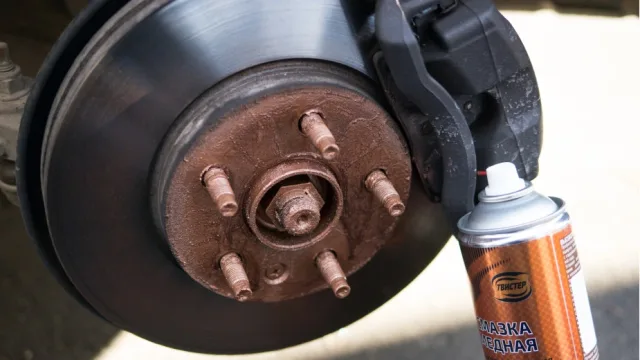
Ступичный подшипник - один из ключевых элементов ходовой части. Он обеспечивает свободное вращение колеса, поглощает нагрузки и вибрации. Если он выходит из строя, страдает не только комфорт, но и безопасность. Важно знать, как проверить подшипник ступицы - как передней, так и задней, особенно если появились шумы, люфт или другие тревожные признаки.
Как определить неисправность ступичного подшипника
Симптомы, по которым можно заподозрить износ подшипника:
гул или шум со стороны колеса при движении;
вибрация в рулевом колесе;
люфт колеса при раскачивании;
неравномерный износ шин;
нагрев ступицы;
щелчки или скрежет на поворотах.
Если вы заметили подобное, нужно проверить подшипник ступицы в автомобиле как можно скорее.
Как проверить подшипник передней ступицы
Для большинства моделей, включая ВАЗ 2107, Таврия, Ланос, проверка переднего подшипника проводится примерно одинаково:
1. Проверка на звук
Во время движения прислушайтесь к шуму от колёс. Если гул усиливается с увеличением скорости или при повороте, подшипник передней ступицы может быть изношен.
2. Проверка на люфт
Поставьте автомобиль на ручник.
Поддомкратьте колесо, которое хотите проверить.
Обеими руками возьмитесь за колесо с двух сторон (например, на «3 и 9 часов») и попытайтесь расшатать его.
Если есть люфт, особенно с металлическим стуком - подшипник нуждается в замене.
3. Вращение колеса
Прокрутите колесо вручную. Здоровый подшипник вращается плавно и бесшумно. Скрежет, хруст или шум указывают на повреждение.
4. Нагрев ступицы
После поездки аккуратно (не обожгитесь!) проверьте, не греется ли ступица больше обычного. Перегрев - признак внутреннего износа подшипника.
Как проверить подшипник задней ступицы
Проверка задней ступицы проводится аналогично. Особенно внимательно стоит отнестись к задним подшипникам у ВАЗ 2109, 2107, а также других моделей с задним приводом.
Особенности:
При вращении заднего колеса руками не должно быть щелчков.
Люфт на заднем колесе может указывать не только на подшипник, но и на ослабленные крепления - это тоже нужно проверить.
У некоторых моделей задние подшипники закрыты колпаками или пыльниками, важно осмотреть, не повреждены ли они.
Как проверить подшипник ступицы без подъёмника
Если под рукой нет домкрата, можно провести базовую проверку так:
Во время движения слушайте шумы при повороте. Если при повороте направо усиливается шум слева - вышел из строя левый передний подшипник.
На стоящей машине покачайте кузов сверху вниз - при неисправности подшипник может издавать стук.
Как часто нужно менять подшипник ступицы
Как часто нужно менять подшипник ступицы в автомобиле зависит от нескольких факторов:
стиля вождения;
качества дорог;
модели машины;
типа подшипника (обслуживаемый или нет).
В среднем, ресурс составляет от 80 000 до 150 000 км. Однако при агрессивной езде, частых ударах в ямы или езде с перегрузкой нужно проверять подшипники чаще - каждые 20-30 тыс. км.
Как проверить подшипник ступицы на популярных моделях
ВАЗ 2107
Передняя ступица разбирается легко.
Подшипник регулируется гайкой.
Люфт легко проверяется вручную.
ВАЗ 2109
Используются необслуживаемые подшипники.
При неисправности требуется полная замена.
Таврия
Конструкция схожа с ВАЗами.
Регулярная смазка и контроль зазора увеличат срок службы.
Ланос
Подшипник впрессован в ступицу.
При износе требуется съём ступицы и запрессовка нового.
Полезный совет
Если вы обнаружили неисправность подшипника, не стоит тянуть с заменой. Разрушение подшипника может привести к блокировке колеса, разрушению тормозного диска или даже ДТП. Лучше провести диагностику и, если надо, замену в ближайшем сервисе. Зная, как проверить подшипник передней и задней ступицы, вы сможете своевременно выявить проблему и избежать дорогостоящего ремонта. Не забывайте - безопасность начинается с мелочей. При первых симптомах - шуме, люфте или перегреве - нужно проверить подшипник ступицы в автомобиле. При необходимости замену лучше доверить специалистам, особенно если у вас ВАЗ 2107, 2109, Таврия или Ланос.
Advertising
Comments
No comments yet. Say the first word.
Write a comment
No sign-up needed - just your name.
Write