Многие автовладельцы замечают, что сцепление автомобиля схватывает в конце хода педали. Это может вызывать неудобства при вождении, особенно на старте или при переключении передач. Важно разобраться, почему сцепление схватывает в конце, и нужно ли это считать неисправностью.
Что означает «схватывает в конце»?
Когда говорят, что сцепление схватывает в конце, имеют в виду, что момент зацепления происходит почти в самом конце отпускания педали. Вместо плавного старта автомобиль резко начинает движение или сцепление «цепляется» только при почти полностью отпущенной педали.
Почему сцепление схватывает в конце: основные причины
1. Износ сцепления
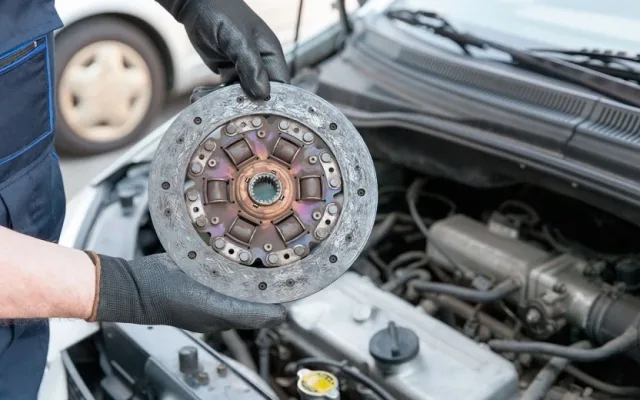
Самая частая причина, почему сцепление на автомобиле схватывает в конце, - это его износ. Со временем фрикционные накладки на диске стираются, и это влияет на точку схватывания. Чем сильнее изношено сцепление, тем выше поднимается точка зацепления.
2. Неправильная регулировка троса сцепления (на машинах с механическим приводом)
Если у автомобиля механическая система сцепления с тросовым приводом, возможно, трос слишком натянут или ослаблен. Это смещает точку схватывания к концу или началу хода педали.
3. Гидравлические проблемы
На машинах с гидроприводом возможна утечка тормозной жидкости или наличие воздуха в системе. В результате сцепление начинает схватывать в конце, так как давление недостаточно для его корректного срабатывания в обычной точке.
4. Износ выжимного подшипника или корзины сцепления
Если в системе изношен выжимной подшипник или есть дефекты корзины (нажимного диска), это может сместить точку зацепления и привести к тому, что сцепление на машине схватывает в конце.
5. Установка нового сцепления
Иногда после замены сцепления водитель может заметить, что точка схватывания изменилась. Это нормально - каждый комплект может иметь разные характеристики. Главное - чтобы зацеп происходил плавно и без пробуксовки.
6. Особенности конструкции
Некоторые автомобили (особенно новые) спроектированы так, что сцепление схватывает ближе к концу хода педали. Это не неисправность, а особенность инженерного решения.
Стоит ли беспокоиться?
Если сцепление автомобиля схватывает в конце, но при этом нет запаха гари, пробуксовок, вибраций и передачи переключаются плавно, волноваться не стоит. Однако если точка сцепления продолжает смещаться вверх, это может быть признаком износа - и поводом для проверки.
Что делать, если сцепление схватывает в конце?
Проверить уровень тормозной жидкости - при гидроприводе это важно.
Осмотреть сцепление у механика - особенно если ощущается пробуксовка или появился запах.
Регулировать трос (если он есть) - иногда проблема решается простой настройкой.
Следить за симптомами - если точка зацепления смещается всё выше, сцепление, скорее всего, изношено.
Не затягивать с ремонтом - поломка сцепления может привести к остановке автомобиля.
Теперь вы знаете, почему сцепление схватывает в конце, и какие могут быть причины этого явления. В большинстве случаев это связано с износом деталей или необходимостью регулировки. Не игнорируйте проблему - своевременная диагностика и обслуживание помогут избежать дорогого ремонта и сохранят комфорт вождения. Если вы заметили, что сцепление на автомобиле схватывает в конце, прислушайтесь к ощущениям за рулём: это может быть как особенностью модели, так и ранним сигналом неисправности.
Advertising
Comments
No comments yet. Say the first word.
Write a comment
No sign-up needed - just your name.
Write