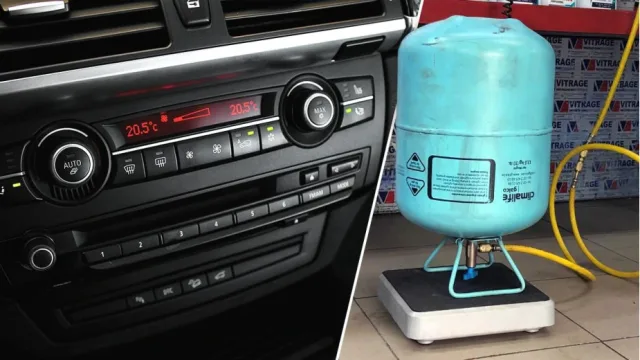
Как часто менять фреон в машине: общие рекомендации
Автопроизводители и специалисты по обслуживанию кондиционеров рекомендуют следующие сроки:- Раз в 2-3 года - если система герметична и нет утечек.
- Раз в год - для автомобилей старше 7-10 лет или при интенсивной эксплуатации (ежедневные поездки, жаркий климат и т.д.).
- По мере необходимости - если замечены признаки утечки или слабая работа кондиционера.
Признаки, что фреон нужно заправить
Понять, что фреон в автомобиле заканчивается или уже на исходе, можно по следующим признакам:- Кондиционер дует тёплым или чуть прохладным воздухом, а не холодным.
- Охлаждение работает нестабильно - то есть, то нет.
- При включении кондиционера слышны посторонние шумы.
- Запотевают стёкла - признак плохой работы испарителя.
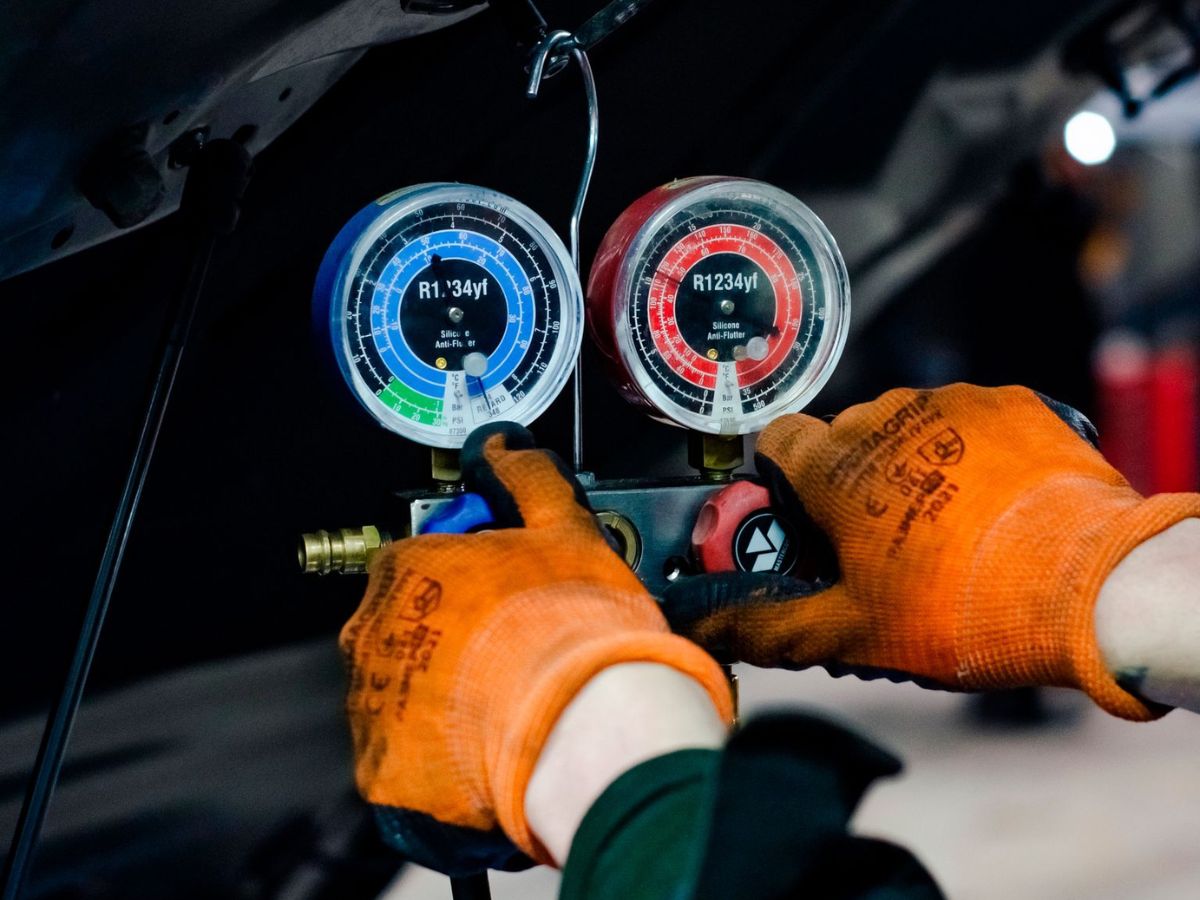
- Снижается давление в системе - можно определить на СТО при диагностике.
Что будет, если не менять фреон вовремя?
Игнорирование сроков заправки фреона может привести к таким последствиям:- Потеря охлаждения - в салоне станет жарко и некомфортно.
- Перегрев системы кондиционирования - компрессор может выйти из строя.
- Повреждение уплотнителей - в отсутствие давления они теряют герметичность.
- Рост потребления топлива - кондиционер с низким уровнем фреона работает менее эффективно, потребляя больше энергии.
Как продлить срок службы фреона?
Чтобы фреон в машине служил дольше, придерживайтесь следующих правил:- Не запускайте кондиционер в мороз - это увеличивает износ системы.
- Используйте кондиционер регулярно, даже зимой (раз в неделю на 5-10 минут) - это смазывает уплотнители и предотвращает утечки.
- Проводите диагностику системы кондиционирования хотя бы раз в год.
- Не используйте кондиционер с открытыми окнами.
- Избегайте кустарной заправки - только СТО с надлежащим оборудованием и сертифицированными хладагентами.
Нужно ли менять фреон, если кондиционер работает?
Даже если кондиционер охлаждает, это не значит, что фреон не нужно менять. Количество хладагента может постепенно уменьшаться, и без визуальных признаков система начнёт перегреваться. Поэтому лучше провести профилактическую проверку давления и, при необходимости, долить фреон, чем потом менять компрессор.Как часто менять фреон в машине - вопрос, который зависит от возраста автомобиля, условий эксплуатации и герметичности системы. Оптимальный срок - каждые 2-3 года, но при наличии признаков утечки заправку стоит сделать немедленно. Следите за состоянием кондиционера и не забывайте проходить ежегодную диагностику, чтобы в дороге вам всегда было комфортно - независимо от погоды за окном.