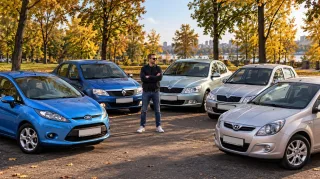
- Тип двигателя и его объём. Малолитражные моторы потребляют меньше, чем мощные агрегаты.
- Коробка передач. Автомобили с автоматом обычно расходуют больше топлива.
- Стиль вождения. Частые ускорения, торможения и высокая скорость увеличивают расход.
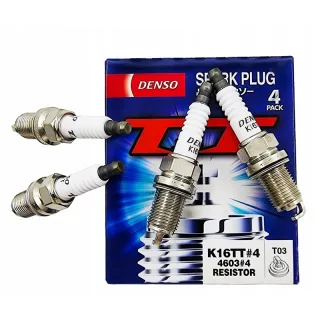
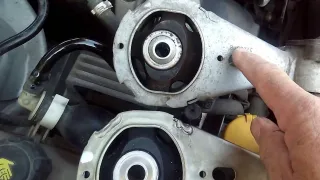
- Техническое состояние авто. Грязный фильтр, изношенные свечи и неправильное давление в шинах - всё это повышает расход топлива.
- Городской или трассовый режим. В городе расход всегда выше из-за светофоров и пробок.
Расход бензина на 100 км легковой автомобиль Ланос
Популярный в Украине автомобиль Daewoo Lanos имеет следующие средние показатели расхода:- По городу - около 9-10 л/100 км;
- По трассе - 6-7 л/100 км;
- Смешанный режим - примерно 8 л/100 км.
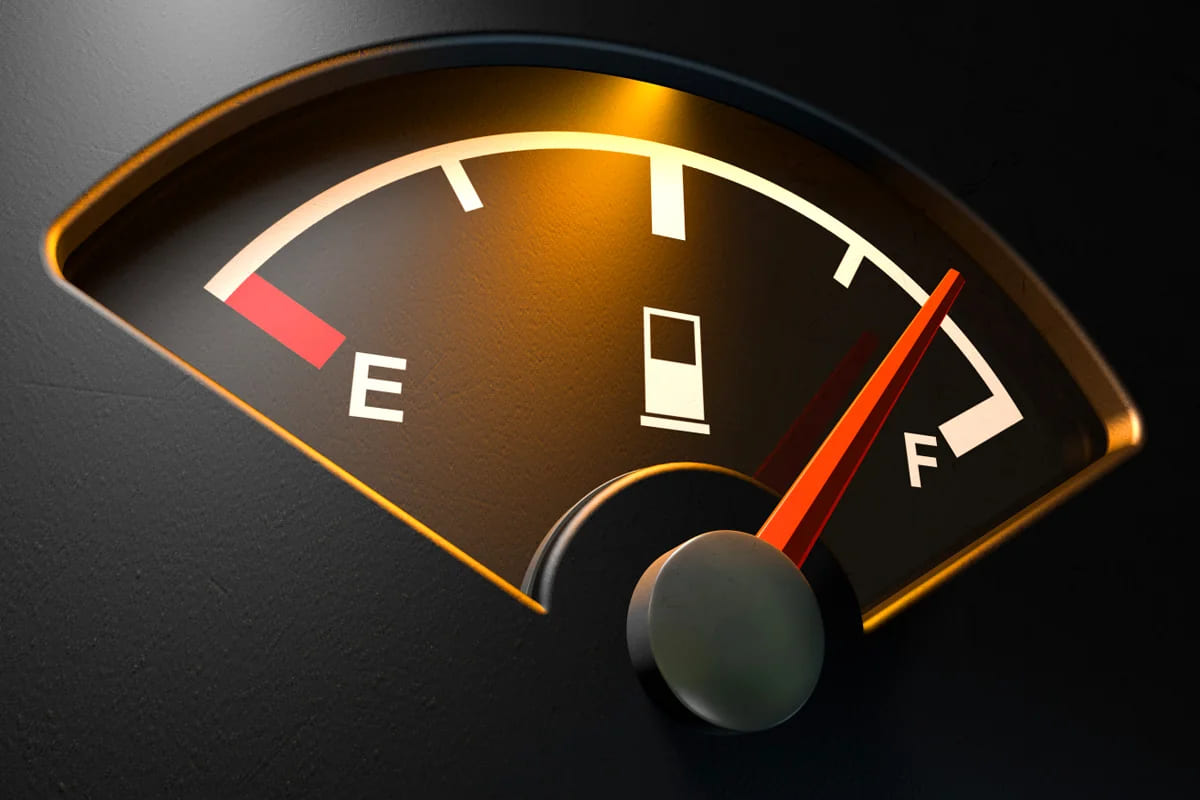
Как рассчитать расход бензина на 100 км вручную?
Если вы хотите узнать, сколько расходует ваш авто, можно сделать простой расчёт:- Заправьтесь до полного бака.
- Проедьте определённое расстояние (например, 300 км).
- Снова заправьтесь до полного и зафиксируйте, сколько литров вошло.
- Используйте формулу:
(Израсходовано литров / Пройдено километров) × 100 = Расход на 100 км
Вы проехали 300 км и заправили 24 литра.
(24 / 300) × 100 = 8 л/100 км - ваш фактический расход.
Как снизить расход топлива на легковом автомобиле?
Чтобы расход бензина на 100 км легковой автомобиль был ниже, следуйте простым рекомендациям:- Поддерживайте давление в шинах на оптимальном уровне.
- Избегайте резких разгонов и торможений.
- Не перегружайте авто - каждый лишний килограмм увеличивает расход.
- Выключайте двигатель при длительных остановках.
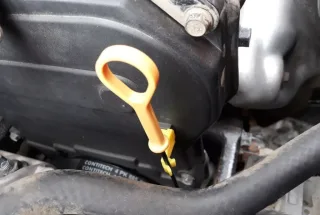
- Делайте регулярное ТО: меняйте масло, фильтры, свечи.
Средний расход бензина на 100 км легковой автомобиль - важный показатель, который зависит от многих факторов. Даже у такого экономичного авто, как Ланос, расход может отличаться в зависимости от стиля вождения и состояния машины. Следите за своим автомобилем, корректно рассчитывайте расход, и вы сможете не только сэкономить топливо, но и продлить срок службы транспортного средства.