
- улучшенное сцепление с сухим и влажным асфальтом;
- сниженный тормозной путь;
- оптимальный расход топлива;
- меньший уровень шума по сравнению с зимними покрышками.
=5e7a222224e69.jpg)
Как выбрать шины на лето: ключевые параметры
Перед покупкой важно определить, какие летние шины подходят именно вашему автомобилю. Вот основные моменты, которые следует учитывать:1. Размер шин
На боковой поверхности шины указывается её размер, например: 205/55 R16. Этот параметр должен строго соответствовать рекомендациям автопроизводителя. Несоответствие может повлиять на расход топлива, точность показаний спидометра и безопасность вождения.2. Индекс скорости и нагрузки
- Индекс скорости указывает, до какой максимальной скорости безопасно использовать резину.
- Индекс нагрузки - это максимальный вес, который может выдержать одно колесо.
3. Рисунок протектора
Существует три типа рисунка:- Симметричный ненаправленный - универсален, подходит для городского и пригородного режима.
- Симметричный направленный - отлично отводит воду, снижает риск аквапланирования.
- Асимметричный - обеспечивает хорошую управляемость и устойчивость на высокой скорости.
Как правильно выбрать шины на лето по условиям эксплуатации
Городская езда
Если вы чаще всего ездите в городе, выбирайте шины с хорошей износостойкостью и низким уровнем шума. Обратите внимание на модели с экономичным сопротивлением качению.Трасса и высокие скорости
Для частых поездок по трассам подойдут асимметричные модели с высоким индексом скорости и улучшенным сцеплением.Смешанный стиль
Если вы попеременно ездите по городу и за его пределами, выбирайте сбалансированные модели, сочетающие надёжность и комфорт.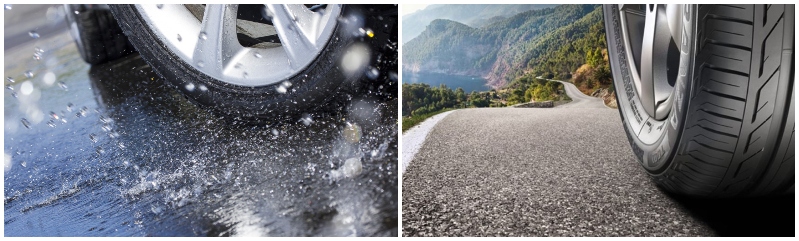
Как выбрать шины для автомобиля на лето: проверенные бренды
Надёжность и качество зависят не только от характеристик, но и от производителя. Вот несколько брендов, зарекомендовавших себя:- Michelin - долговечность и отличная управляемость.
- Continental - сбалансированность и устойчивость.
- Pirelli - производительность на высокой скорости.
- Nokian - особенно хорошо проявляют себя на мокром асфальте.
- Bridgestone - отличное качество сцепления и торможения.
Частые ошибки при выборе летней резины
Чтобы не пожалеть о покупке, избегайте таких распространённых ошибок:- Покупка шин без учёта условий эксплуатации.
- Выбор устаревших или залежавшихся моделей (год выпуска смотрите на боковине - не старше 3 лет).
- Экономия на бренде - лучше купить проверенные шины среднего сегмента, чем сомнительную резину подешевле.
- Установка только двух новых шин - это снижает управляемость, особенно на поворотах и при экстренном торможении.
Теперь вы знаете, как выбрать шины на лето, и сможете сделать осознанный выбор в пользу безопасности и комфорта. Помните: экономия на резине может обойтись дороже, если она подведёт в ответственный момент. Покупайте только сертифицированные модели у проверенных продавцов, регулярно проверяйте давление и не забывайте менять шины по сезону - и поездки на автомобиле будут только в радость.