Как часто нужно менять воздушный фильтр в автомобиле?
Anna Tkach
AutoPortal editorial team
466 views
2 min read
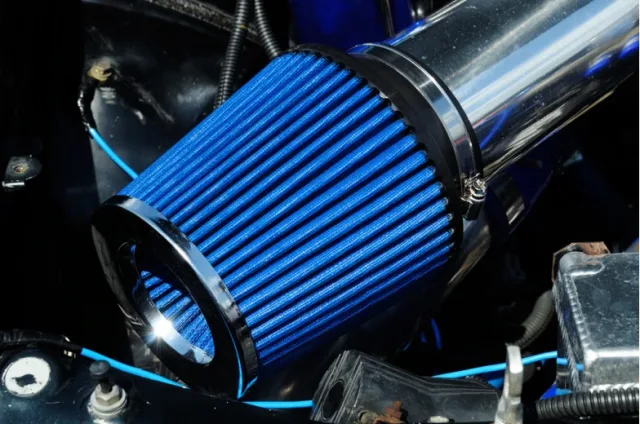
Воздушный фильтр двигателя играет критически важную роль - он очищает воздух, поступающий в камеру сгорания, от пыли, грязи и прочих примесей. Загрязнённый фильтр ухудшает работу мотора, увеличивает расход топлива и снижает мощность. Поэтому важно понимать, как часто нужно менять воздушный фильтр в машине, чтобы поддерживать стабильную и экономичную работу двигателя.
Что делает воздушный фильтр и зачем он нужен
Перед тем как перейти к частоте замены, коротко напомним: воздушный фильтр очищает воздух, которым «дышит» двигатель. Особенно это актуально для турбированных и дизельных моторов, где чистота воздуха напрямую влияет на срок службы турбины и системы впуска. Если фильтр загрязнён, двигатель начинает работать в тяжёлых условиях:
увеличивается нагрузка на турбину (в случае турбо моторов),
топливо сгорает менее эффективно,
повышается риск попадания абразивных частиц в цилиндры.
Как часто менять воздушный фильтр двигателя
Общий ориентир по замене - каждые 10 000-20 000 км пробега. Однако реальный интервал зависит от множества факторов:
Условия эксплуатации: в городе с пыльными дорогами фильтр быстрее загрязняется, чем при езде по трассе.
Тип двигателя: бензиновый, дизельный или турбированный мотор имеют разные требования.
Качество фильтра: дешёвые аналоги быстрее теряют эффективность.
Таким образом, однозначного ответа на вопрос, как часто нужно менять воздушный фильтр в автомобиле, не существует. Но есть рекомендации, которые можно адаптировать под свои условия.
Как часто менять воздушный фильтр на дизеле
Дизельные двигатели особенно чувствительны к загрязнению воздуха. В них подача топлива зависит от чистоты воздуха и давления впуска. Если фильтр грязный, могут появляться пропуски воспламенения, чёрный дым и потеря тяги. Рекомендации:
Менять фильтр каждые 10 000-15 000 км.
Проверять состояние визуально на каждом ТО.
Как часто менять воздушный фильтр на турбо моторе
Турбированные двигатели втягивают больше воздуха, чем атмосферные. Это значит, что фильтр загрязняется быстрее. Кроме того, частицы, попадающие через фильтр, могут повредить лопасти турбины. Рекомендации:
Замена каждые 7 000-12 000 км, особенно при активной езде.
Использовать только оригинальные или сертифицированные фильтры.
Как понять, что фильтр пора менять
Даже если вы не знаете точного пробега, вот признаки, указывающие на необходимость замены:
Увеличился расход топлива.
Падает тяга, особенно на подъёмах.
Загорелся "Check Engine" (в редких случаях).
Фильтр визуально тёмный, с пылью и грязью.
Чувствуется запах гари при запуске.
Замена в домашних условиях
Процедура простая и занимает 5-10 минут:
Заглушите двигатель.
Откройте капот, найдите корпус воздушного фильтра.
Снимите крышку, достаньте старый фильтр.
Протрите корпус от пыли.
Установите новый фильтр, закройте корпус.
Общие рекомендации: как часто нужно менять воздушный фильтр в машине
Если вы живёте в мегаполисе с пыльной атмосферой - меняйте раз в 10 000 км.
Если часто ездите по трассе - достаточно раз в 15-20 тыс. км.
Владельцам дизелей и турбо моторов - стоит следить особенно тщательно и уменьшить интервал до 8 000-12 000 км.
Заключение
Регулярная замена фильтра - не прихоть, а необходимость. От того, как часто менять воздушный фильтр двигателя, напрямую зависит срок службы мотора, экономичность автомобиля и даже экология. Для удобства:
На дизеле - каждые 10-15 тыс. км
На турбо моторе - каждые 7-12 тыс. км
В среднем - 10-20 тыс. км в зависимости от условий