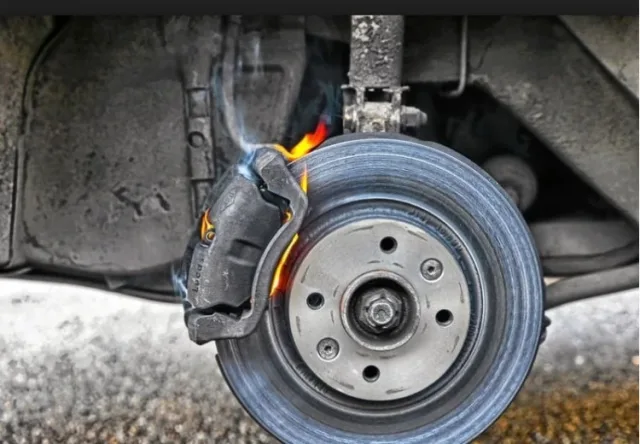
Основные причины писка новых колодок
1. Притирка новых колодок После установки колодки нуждаются в притирке к поверхности тормозного диска. Обычно это занимает 200-300 км пробега. В этот период новые колодки могут издавать писк, особенно при лёгком торможении. Это нормально, если звук исчезает через несколько дней. 2. Некачественные материалы Если вы установили дешёвые или поддельные тормозные колодки, то писк может быть вызван использованием жёстких, низкокачественных фрикционных накладок. Такие колодки не только шумят, но и быстрее изнашивают тормозной диск. 3. Отсутствие антискриповых пластин Некоторые колодки комплектуются специальными металлическими пластинами, поглощающими вибрации. Если их нет - колодки при торможении пищат, особенно в начале движения или после прогрева. 4. Загрязнение поверхности Пыль, грязь или влага, попавшие на колодки и диск, могут вызывать характерный звук при торможении. Особенно это заметно после мойки автомобиля или езды в дождь.Почему пищат колодки после замены
1. Неправильная установка Если колодки установлены с перекосом или неправильно зафиксированы в направляющих, это может вызывать неравномерное прилегание к диску. В результате - писк и повышенный износ. 2. Изношенные тормозные диски Даже новые колодки не смогут работать бесшумно, если диск уже имеет глубокие борозды или неровности. В этом случае писк - следствие трения по неровной поверхности. 3. Недостаточная смазка направляющих При установке новых колодок важно правильно обработать направляющие суппорта специальной смазкой. Отсутствие смазки приводит к заеданию колодки и издаёт звуки при торможении.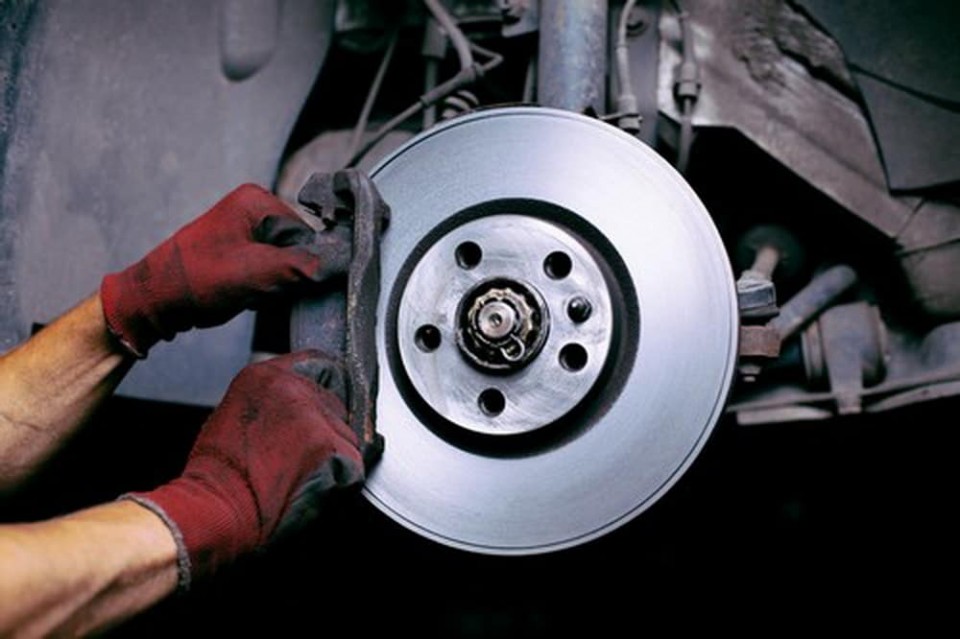
Почему пищат задние колодки
Задние тормоза могут пищать чаще, чем передние, особенно если автомобиль редко тормозит задними колёсами (например, в городском режиме). Причины могут быть те же:- грязь и ржавчина на поверхности;
- отсутствие смазки;
- неправильная установка;
- некачественные колодки.
Дополнительные причины, почему пищат колодки на авто
1. Перегрев тормозной системы Если вы активно тормозили или долго ехали под уклон, тормоза могли перегреться. Это может вызвать временное изменение структуры фрикционного материала и появление писка. 2. Использование спортивных колодок Некоторые производители выпускают колодки с высоким коэффициентом трения, рассчитанные на спортивный стиль вождения. Они могут скрипеть в обычных условиях. 3. Влажность и ржавчина Ночью на тормозных дисках может образовываться конденсат и лёгкий налёт ржавчины. Первые торможения утром сопровождаются характерным звуком, который быстро проходит.Что делать, если пищат тормозные колодки
Если тормозные колодки пищат, не стоит сразу паниковать. Важно определить, как долго продолжается писк и в каких условиях он появляется. Вот что можно предпринять:- Дайте колодкам притереться 2-3 дня, если они новые.
- Проверьте, использованы ли антискриповые пластины.
- Осмотрите состояние дисков - нет ли канавок и борозд.
- Убедитесь, что направляющие суппорта смазаны.
- Попробуйте заменить колодки на более качественные (желательно с керамическими накладками).
Теперь вы знаете, почему пищат колодки при торможении, особенно если это новые тормозные колодки или замена прошла недавно. Чаще всего это связано с притиркой или мелкими нарушениями в установке. Но если звук сохраняется длительное время или сопровождается вибрацией и ухудшением тормозов, стоит немедленно провести диагностику. Помните: тормозная система - это один из важнейших компонентов безопасности на дороге.