Что делать, если замерзла омывайка: пошаговые действия
1. Не пытайтесь включить омыватель повторно
Моторчик бачка стеклоомывателя может сгореть, если работать «всухую» в момент, когда жидкость замёрзла. Лучше остановиться и оценить ситуацию - попытки снова и снова запускать систему могут привести к поломке.2. Переместите машину в тёплое место
Если есть возможность, загоните автомобиль в гараж с плюсовой температурой или на подземную стоянку. Даже несколько часов при температуре выше 0?°C позволят жидкости начать оттаивать.3. Прогрейте двигатель и салон
Оставьте двигатель работать на холостых оборотах с включённой печкой. Обогрев стекла также поможет ускорить процесс оттаивания форсунок. Но важно понимать: сам бачок и магистрали находятся под капотом, и тепло от салона к ним доходит слабо.4. Используйте горячую воду снаружи - осторожно
Если омыватель замёрз в бачке, можно прогреть его извне. Для этого используют бутылку с горячей (но не кипящей!) водой, обёрнутую в ткань, и аккуратно прикладывают к бачку. Также подойдёт строительный фен или грелка, но важно соблюдать осторожность, чтобы не повредить пластик. Нельзя лить кипяток прямо в бачок - он может лопнуть от резкого перепада температур!5. Разморозка с помощью жидкости-антифриза
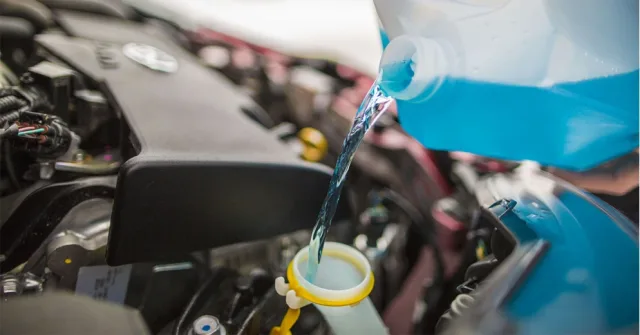
После частичного оттаивания можно аккуратно слить остатки и залить качественную зимнюю омывайку с низкой температурой замерзания (например, -30?°C). Иногда она помогает растопить остатки замёрзшей воды в шлангах и форсунках, особенно если завести двигатель и включить обогрев.
Что делать, если замёрзла омывайка в форсунках
Иногда сама жидкость в бачке в порядке, а замёрзли именно форсунки. В таком случае:- Прогрейте капот и стекло с включённой печкой.
- Откройте капот и аккуратно прогрейте сами форсунки феном.
- Можно обработать место крепления форсунок спиртом или изопропиловым спреем - он быстро испаряется и помогает растопить лёд.
- Проверьте подводящие трубки - возможно, в них скопился лёд.
Как не допустить повторного замерзания
Чтобы больше не задаваться вопросом «что делать, если замёрзла омывайка в машине», следуйте простым правилам:- Меняйте жидкость вовремя. Осенью полностью сливайте остатки летнего состава и переходите на зимнюю «незамерзайку».
- Покупайте только проверенные жидкости. Убедитесь, что температура замерзания указана честно - лучше брать омывайку с запасом до -25?°C.
- Следите за состоянием форсунок. Если они регулярно замерзают - возможно, стоит заменить или утеплить подводящие трубки.
- Храните машину в гараже, если возможно. Это минимизирует риск замерзания не только омывайки, но и других узлов.
Замёрзшая омывайка - неприятная, но вполне решаемая проблема. Главное - действовать без спешки и паники. Если замёрзла омывайка в бачке, не пытайтесь насильно запускать систему - дайте жидкости время, используйте тепло и специальные средства. После разморозки обязательно слейте остатки и залейте качественную зимнюю жидкость, чтобы не столкнуться с той же проблемой снова. И помните: хорошая видимость зимой - это не роскошь, а вопрос вашей безопасности.