Как понять, что пора менять тормозные диски
Существует ряд признаков, по которым можно определить, когда надо менять тормозные диски. Обратите внимание на следующие симптомы:- Вибрация при торможении. Если руль или педаль тормоза начинает вибрировать при нажатии, это может указывать на износ или деформацию тормозных дисков.
- Скрипы и свист. Шумы при торможении могут быть признаком не только износа колодок, но и неровной поверхности диска.
- Потемнение или синеватый оттенок дисков. Это может свидетельствовать о перегреве, особенно при длительном торможении.
- Глубокие борозды, трещины или ржавчина на поверхности диска.
- Увеличенный тормозной путь. Если машина останавливается дольше обычного, даже при новых колодках - вероятно, причина в дисках.
- Толщина ниже минимально допустимой. На каждом диске указывается минимальная рабочая толщина - если она меньше нормы, диск подлежит замене.
Когда нужно менять тормозные диски вместе с колодками
Когда проводится замена тормозных колодок, важно не игнорировать состояние тормозных дисков. Многие водители ограничиваются лишь заменой колодок, хотя изношенные диски могут быстро повредить новые элементы тормозной системы, снизить эффективность торможения и вызвать перегрев. Менять тормозные диски вместе с колодками необходимо в тех случаях, когда при визуальном осмотре заметны глубокие борозды, повреждения или значительный износ поверхности.
Если диск имеет неоднородную структуру, это может привести к неравномерному прижиму колодок и ухудшению тормозных характеристик. Кроме того, замена требуется и тогда, когда толщина диска приближается к минимально допустимой - в таком случае дальнейшая эксплуатация становится небезопасной.

Как проверить тормозные диски
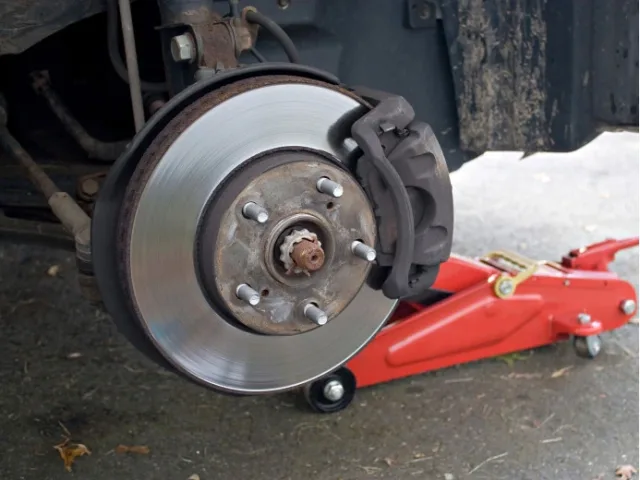
Проверить тормозные диски можно как на СТО, так и самостоятельно:- Визуально осмотрите диск - обратите внимание на цвет, наличие трещин, борозд, ржавчины.
- Измерьте толщину с помощью штангенциркуля - сравните с минимально допустимым значением (указывается производителем).
- При наличии вибраций на скорости обратитесь на диагностику - возможно, диск деформирован и требует срочной замены.
Что будет, если не менять тормозные диски вовремя
Игнорирование сроков замены тормозных дисков может привести к следующим последствиям:- Снижение эффективности торможения, особенно при резкой остановке.
- Повышенный износ колодок, так как они быстрее стачиваются об повреждённые поверхности.
- Повышенный риск перегрева тормозной системы.
- Деформация ступицы, если диск сильно вибрирует.
- Полный отказ тормозов в критической ситуации.
Так как понять, что пора менять тормозные диски? Прислушивайтесь к поведению автомобиля при торможении, регулярно проверяйте состояние дисков и не дожидайтесь, пока износ приведёт к поломке. Помните, как часто менять тормозные диски, зависит от множества факторов, но в среднем это происходит каждые 30-70 тысяч км. Лучше потратить немного времени и денег на замену, чем столкнуться с последствиями неисправной тормозной системы.