Срок службы антифриза: основные ориентиры
Вопрос «как часто нужно менять антифриз» не имеет универсального ответа. Всё зависит от типа охлаждающей жидкости, условий эксплуатации и рекомендаций автопроизводителя. В среднем замена требуется каждые 2-5 лет или через 40-100 тысяч километров пробега. Например, в старых автомобилях антифриз теряет свойства быстрее, особенно если система охлаждения имеет загрязнения или микроповреждения. Если машина эксплуатируется в суровых климатических условиях (частые морозы или перегревы), лучше сократить срок службы антифриза и менять его чаще. Даже при небольшом пробеге химические свойства жидкости ухудшаются со временем, особенно если она контактирует с воздухом и металлическими поверхностями.Почему нельзя забывать о сроках замены
Антифриз стареет - это естественный процесс. За время использования он утрачивает свои антикоррозийные свойства, меняется его кислотность, могут образовываться отложения и осадки. Это снижает эффективность теплообмена, ухудшает охлаждение двигателя и в долгосрочной перспективе может привести к выходу из строя радиатора, термостата, помпы и других компонентов системы охлаждения. Проще говоря, если вовремя не менять антифриз, это может обойтись в дорогостоящий ремонт. Кроме того, старая жидкость хуже справляется с температурными перепадами и может закипать или замерзать, что опасно при движении в жару или в зимний период.Признаки, что пора менять антифриз
Если вы не уверены, как часто надо менять антифриз, ориентируйтесь не только на пробег и возраст жидкости, но и на её внешний вид. Охлаждающая жидкость должна быть прозрачной и иметь однородный цвет (зелёный, красный, синий - в зависимости от типа). Если жидкость потемнела, в ней появились осадки, хлопья, ржавчина или пена - это прямой сигнал, что пора делать замену. Также стоит насторожиться, если вы заметили:- Перегрев двигателя.
- Частую работу вентилятора охлаждения.
- Запах гари или сладковатый аромат под капотом.
- Протечки в районе радиатора или патрубков.
Как проверить состояние антифриза
Периодическая проверка охлаждающей жидкости поможет понять, насколько она пригодна к использованию. Это можно сделать самостоятельно, визуально оценив цвет и наличие осадка. Более точную информацию даст измерение плотности или кислотности с помощью ареометра или тест-полосок. В автосервисах также могут провести анализ антифриза и определить, насколько он утратил свои свойства.Что будет, если не менять антифриз
Игнорирование сроков замены может привести к ряду проблем:- Коррозия деталей двигателя и радиатора.
- Забивание каналов системы охлаждения.
- Выход из строя термостата или помпы.
- Повышенный расход топлива из-за перегрева.
- Неожиданный отказ системы в дороге.
Как правильно менять антифриз
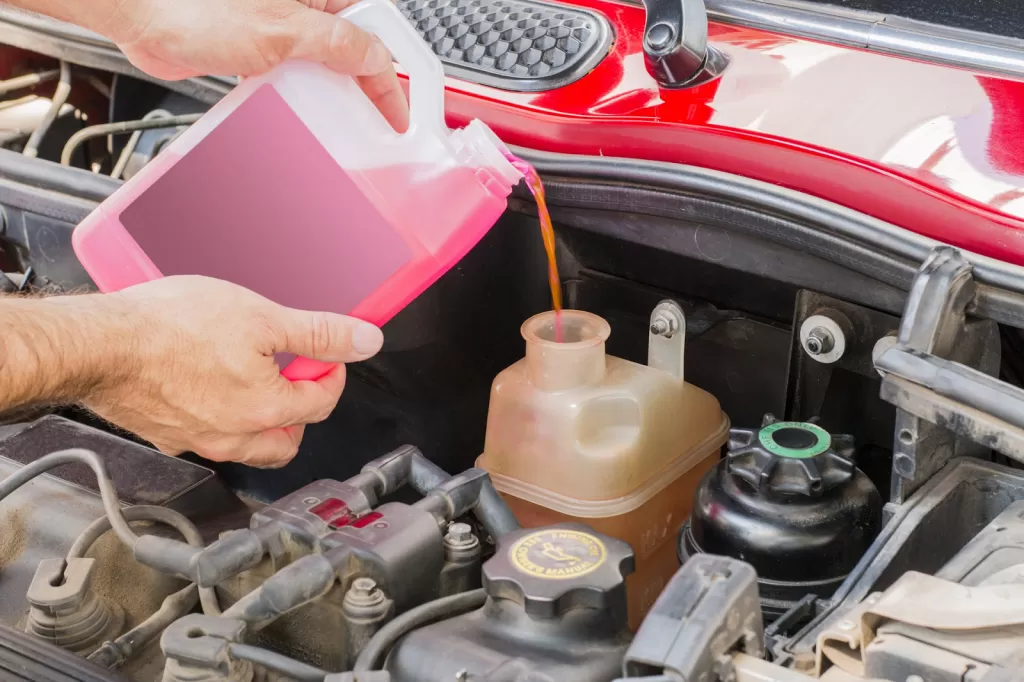
Если вы решили заменить антифриз самостоятельно, важно соблюдать определённый порядок:- Полностью остудите двигатель.
- Слейте старый антифриз через сливное отверстие внизу радиатора.
- Промойте систему (можно использовать дистиллированную воду или специальный промывочный состав).
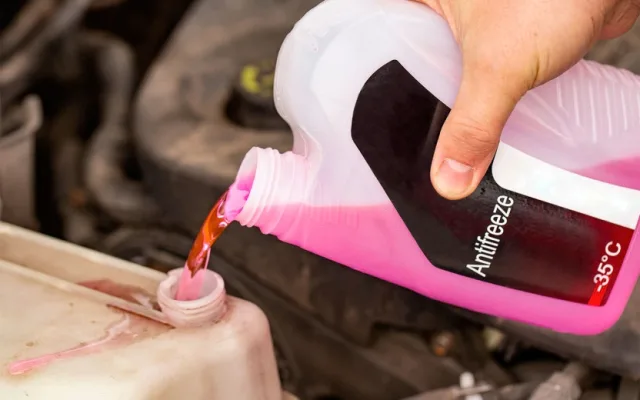
- Заполните систему новым антифризом, обязательно подходящего типа.
- Запустите двигатель и дайте ему поработать, чтобы удалить воздушные пробки.
- Проверьте уровень жидкости через пару дней и при необходимости долейте.
Так как часто нужно менять антифриз в автомобиле? Обычно - каждые 2-5 лет. Однако, помимо формальных сроков, нужно следить за состоянием жидкости, визуально проверять её и учитывать условия эксплуатации. Регулярная замена антифриза - это недорогая процедура, которая позволяет избежать серьёзных проблем с двигателем. Следите за системой охлаждения, и ваш автомобиль будет служить дольше и надёжнее.