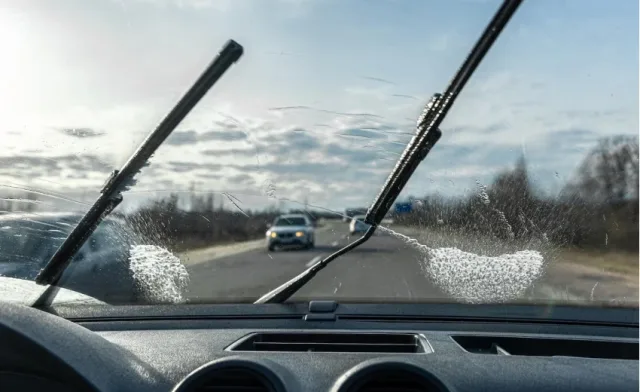
Почему замерзает омыватель лобового стекла?
Казалось бы, все знают: зимой нужно использовать незамерзающую жидкость. Но на практике ошибки совершаются даже опытными водителями. Часто причиной становится неправильная смена сезонных жидкостей, экономия на качестве или даже банальное недоверие к прогнозу погоды. В результате утром, собираясь на работу, вы замечаете, что омыватель лобового стекла не работает. Наиболее уязвимые точки:- омыватель в бачке - основной резервуар жидкости;
- омыватель в трубках - тонкие шланги, по которым жидкость поступает к форсункам;
- форсунки стеклоомывателя - мелкие отверстия, легко замерзают даже при слабом морозе;
- моторчик подачи - может перегреться, если запускать «всухую».
Чем сильнее мороз и хуже жидкость - тем быстрее всё замерзает.

Что делать, если замерз омыватель в машине
Главное - сохранять спокойствие. Не нужно паниковать или пытаться насильно «продавить» замерзшую систему. Это только усугубит ситуацию.Шаг 1: Не включайте омыватель на морозе
Если вы подозреваете, что замерзла жидкость в трубках или бачке, ни в коем случае не пытайтесь включить стеклоомыватель. Моторчик продолжит работать вхолостую, что может привести к его перегреву или выходу из строя. Особенно это опасно для машин с подогревом форсунок: в них чаще ломается сам механизм из-за перегрузки.Шаг 2: Прогрейте двигатель и салон
Поставьте автомобиль на нейтраль или «паркинг», заведите мотор и включите печку. Поток тёплого воздуха направьте на лобовое стекло и зону, где находится бачок. Через 10-30 минут (в зависимости от температуры) омыватель в бачке и в трубках может начать оттаивать. Иногда этого уже достаточно для запуска системы.Шаг 3: Переместитесь в тёплое помещение
Если есть возможность - загоните авто в отапливаемый гараж или закрытую парковку. При плюсовой температуре большинство систем оттаивают за 1-2 часа. В этот момент не стоит спешить - дайте автомобилю постоять.Шаг 4: Используйте размораживатель
Если замерз омыватель в бачке, можно воспользоваться специальной жидкостью-размораживателем. Она продается в автомагазинах и помогает растопить лёд. Однако добавлять её в полностью замёрзший бачок не стоит - эффекта не будет. Жидкость работает только при частичном оттаивании.Шаг 5: Продуйте трубки и форсунки
Иногда жидкость уже разморозилась в бачке, но в шлангах всё ещё лёд. Тогда можно аккуратно отсоединить трубки и продуть их феном или тёплым воздухом. Для форсунок помогает тонкая игла - но будьте осторожны, не повредите распылитель. Если у вас под рукой бытовой фен, аккуратно направьте его на место бачка и трубок. Не перегревайте - это важно. Лёд не должен таять резко, иначе может повредиться пластик.
Что делать, если замерз омыватель в трубках или форсунках?
Здесь помогут те же методы: тепло, терпение и аккуратность. Самое важное - не включать омыватель до полной уверенности, что вся система снова в рабочем состоянии. Если есть возможность, освободите доступ к трубкам и аккуратно их отсоедините. Иногда достаточно снять часть защиты капота и направить тёплый поток воздуха на шланги. В случае с форсунками - можно воспользоваться простым способом: зажигалка или грелка. Немного нагреть зону форсунок - и лёд внутри оттает.Как избежать замерзания в будущем
Чтобы не задаваться снова вопросом «что делать, если замерз омыватель стекла», соблюдайте следующие рекомендации: - Меняйте жидкость заранее. Переходите на зимний омыватель уже при 5?°C. Не ждите минуса, особенно ночью. - Не смешивайте летнюю и зимнюю жидкости. Остатки летней могут испортить даже качественную зимнюю. - Проверяйте температуру замерзания на упаковке. Рекомендуется жидкость минимум до -20?°C. Для северных регионов - до -30?°C. - Регулярно включайте омыватель в дороге. Это помогает избежать застоя в системе. - Очищайте форсунки. После мокрого снега они могут покрыться наледью. - Не оставляйте машину с полным бачком омывателя летом. Жидкость теряет свойства, особенно дешёвая. - Храните запас в машине. Лучше всего - концентрат, который можно развести водой при необходимости.Можно ли самому заменить замёрзшую жидкость?
Да. После того как омыватель в бачке разморозится, слейте остатки и залейте правильную жидкость. Желательно промыть систему - пусть «прокачает» через все трубки. Если жидкости много - можно отсоединить шланг подачи снизу бачка и слить её в ёмкость. Но обязательно используйте перчатки и не допускайте попадания в окружающую среду: антифриз и незамерзайка токсичны.Когда стоит ехать в сервис
Если после всех попыток система всё ещё не работает, скорее всего, замерз омыватель в трубках слишком глубоко, либо сломался моторчик. Тогда лучше обратиться в автосервис. Специалисты быстро диагностируют и заменят повреждённые элементы. Особенно не тяните с визитом, если вы ощущаете запах гари при попытке включения омывателя - это может быть признаком перегрева мотора подачи.Замерзший омыватель стекла в машине - это не повод для паники, а лишь напоминание, что зима требует подготовки. Главное - действовать аккуратно, избегать силового воздействия и не забывать про профилактику. Хороший омыватель, правильная смена сезонных жидкостей и внимание к деталям сделают вашу зимнюю езду безопасной и комфортной.