Зачем нужна турбина на дизеле
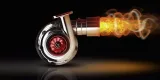
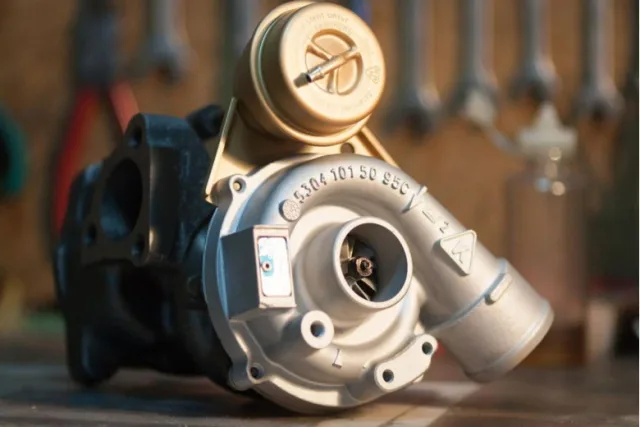
Перед тем как понять, что турбина не работает, важно понять, как она устроена и зачем вообще используется в дизельных авто. Турбина работает по следующему принципу:- отработавшие газы двигателя крутят турбинное колесо;
- колесо приводит в движение компрессор, который нагнетает воздух в цилиндры;
- благодаря увеличенному количеству воздуха, можно подать больше топлива - и получить большую мощность.
Без исправной турбины дизельный двигатель теряет свои главные преимущества: тяговитость, экономичность, стабильную работу при высоких нагрузках.

Основные признаки, что турбина не работает
Как только турбина перестаёт функционировать, это практически сразу ощущается при езде. Вот ключевые симптомы, на которые стоит обратить внимание:1. Потеря мощности
Один из самых частых признаков - автомобиль стал плохо разгоняться, особенно на трассе или при обгоне. Это происходит, потому что двигатель работает без наддува - как обычный атмосферник.2. Повышенный расход топлива
Если турбина не работает на дизеле, двигатель начинает потреблять больше топлива. Вы можете заметить, что за те же маршруты уходит больше дизеля, особенно при активной езде.3. Чёрный или синий дым
Если при нажатии на газ из выхлопной трубы валит чёрный дым - это признак недостатка воздуха и избытка топлива. А синий дым может означать, что турбина гонит масло.
Визуальные и звуковые признаки
Некоторые симптомы можно не только почувствовать, но и услышать или увидеть.1. Свист или вой под капотом
Необычные звуки - частый индикатор того, что турбина не в порядке. Свист может означать, что есть негерметичность или механический износ.2. Подтёки масла на патрубках
Если турбина перестала работать, на ней часто появляются следы масла. Это говорит о повреждении уплотнителей или осевом люфте.3. Ошибки на приборной панели
Многие дизельные автомобили могут сами диагностировать неисправности. При выходе турбины из строя может загореться индикатор «Check Engine».
Причины, почему турбина не работает на дизеле
Если вы заметили, что турбина не работает, важно разобраться в причинах. Вот основные из них:Механический износ
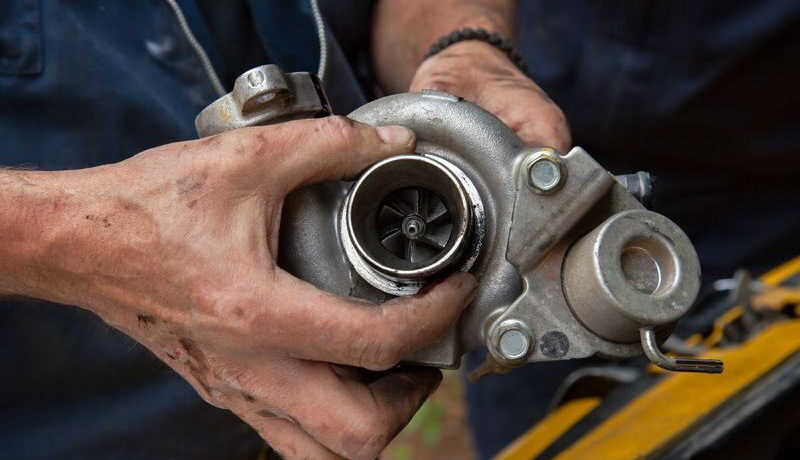
Турбина - высокооборотистый агрегат. Со временем подшипники и лопатки изнашиваются. Особенно это касается машин с пробегом от 150 000 км.Недостаток масла
Турбина требует постоянной смазки. Если масло низкого качества, загрязнено или его не хватает, это приводит к перегреву и разрушению.Попадание инородных тел
Даже маленькая частица пыли может повредить лопатки. Часто это происходит при повреждении воздушного фильтра или патрубков.Перегрев
Если водитель часто глушит двигатель сразу после активной езды, турбина не успевает остыть. Это снижает срок её службы.Что делать, если турбина перестала работать
Если вы заметили вышеуказанные симптомы и хотите понять, не работает ли турбина на дизеле, действуйте поэтапно:Шаг 1: Проверьте визуально
- Осмотрите патрубки турбонаддува: нет ли трещин, следов масла.
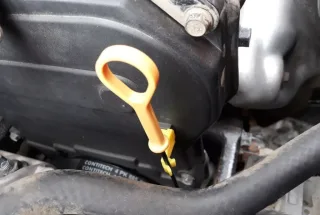
- Проверьте уровень и качество масла.
- Послушайте звуки при работе мотора - нет ли визга или металлического шума.
Шаг 2: Проведите простую проверку
- Встаньте на ровную дорогу и резко нажмите на газ.
- Если машина разгоняется «вяло», а из трубы идет дым - это тревожный знак.
Шаг 3: Обратитесь к специалисту
- Диагностика на СТО включает замер давления наддува, осмотр турбины, проверку ошибок по OBD-сканеру.