Турбина свистит - это норма или неисправность?
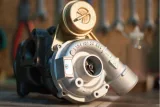
Многие автолюбители полагают, что любой свист - признак неисправности. На самом деле, незначительный и плавный свист турбины при разгоне может быть нормой, особенно на дизельных двигателях. Он связан с тем, что компрессор нагнетает воздух с высокой скоростью, создавая характерное звучание. Такой звук особенно заметен при ускорении, когда обороты двигателя быстро растут. Однако если турбина свистит громко, резко, прерывисто или внезапно начала свистеть - это уже повод насторожиться. Звук может сигнализировать о неполадках, которые в будущем приведут к дорогостоящему ремонту.

Почему свистит турбина при разгоне
Наиболее часто турбина начинает свистеть именно во время активного разгона. Это связано с тем, что турбонаддув в этот момент работает на максимальной нагрузке. Если в системе есть износ, свист может стать заметным. Возможные причины включают в себя разгерметизацию воздуховодов, повреждение лопаток компрессора, износ подшипников и люфт вала. В таких случаях свист турбины становится симптомом начинающейся или уже развившейся неисправности.
Почему свистит новая турбина
Некоторые водители удивляются, почему свистит новая турбина практически сразу после установки. Причин может быть несколько. Во-первых, новая турбина может действительно издавать лёгкий свист - это допустимо, особенно если ранее стояла неисправная или "глухая" турбина. Во-вторых, при замене могли остаться негерметичными соединения патрубков или интеркулера, что приводит к появлению характерного шума. Важно также помнить, что при установке новой турбины желательно менять масло и фильтры - их загрязнение может провоцировать износ даже у нового оборудования.

Почему свистит турбина на дизельном двигателе
Турбины на дизельных двигателях работают при более высоких давлениях, чем на бензиновых, что делает их более чувствительными к любым утечкам и механическим повреждениям. Основная причина, почему свистит турбина на дизельном двигателе - это утечка воздуха в системе наддува. Свист возникает при прохождении воздуха через микротрещину или ослабленное соединение, и чаще всего он усиливается при увеличении оборотов. Другой распространённой причиной можно назвать износ подшипников турбины. Из-за него возникает люфт, при котором лопатки начинают задевать за корпус, создавая металлический свист или даже скрежет. Если не принять меры, турбина может полностью выйти из строя.
Как отличить норму от поломки
Свист - не всегда сигнал тревоги. Лёгкий ровный звук, сопровождающий разгон, может быть обычным рабочим шумом турбины. Но если свист стал громче, изменился по тону, сопровождается потерей мощности, увеличением расхода топлива или дымом из выхлопной трубы - это признаки возможной неисправности.