Разберем ситуацию, с которой может столкнуться добропорядочный водитель, желающий купить автомобиль.
Причин, побуждающих к такому шагу, обычно несколько:
- стремление сэкономить (известно, что машины с «проблемной» историей продают с большой скидкой),
- отсутствие информации о существовании авто-близнеца (продавец сам может не знать об этом или умалчивать),
- появление второго такого же авто уже после того, как покупка совершена.
В интернете полно предложений о продаже машин «без документов» или с документами, которые могут вызвать вопросы. Такой автомобиль реально купить за 30-40% от цены аналогичного «чистого» варианта. В таких ситуациях продавец открыто предупреждает о рисках и даже советует не появляться в определенных регионах.
Но подобное приобретение — это всегда игра с огнем, и не стоит забывать, что скупой платит дважды. В случае с «проблемным» авто — возможно, и трижды, а то и вовсе можно остаться без машины.
В любом случае — осознанная покупка «двойника» или его неожиданное появление уже после покупки — это большая головная боль для автовладельца.
Как появляются автомобили-двойники
Такие «клоны» возникают в результате мошеннических схем, цель которых — легализовать и продать угнанные или нерастаможенные машины.
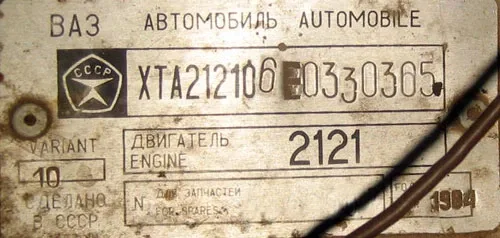
Выглядит это примерно так: имея реальный утерянный техпаспорт, злоумышленники находят авто нужной модели и типа кузова, а номера на агрегатах перебивают под те, что указаны в документе.
Или же применяется пустой бланк, куда вписываются данные владельца похожей машины (информацию берут из баз ГАИ). Номера на «клоне» также подделывают.
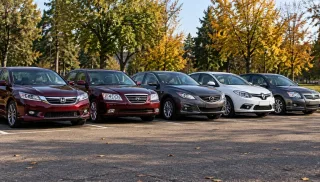
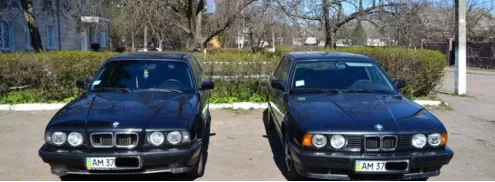
В итоге появляются две внешне идентичные машины (одна модель, цвет, кузов) с одинаковыми номерами и агрегатами, но у разных хозяев. При этом неприятности ожидают и того, кто купил такую машину, и того, чьи данные оказались использованы.
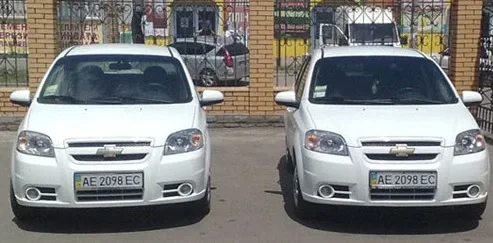
При продаже мошенники обычно оформляют доверенность (через знакомого нотариуса или на фальшивых бланках). Напомню, что доверенность, дающая право на сделки, по-прежнему действительна, несмотря на изменения в ПДД.
Если же авто ставят на учет, то и здесь не обходится без содействия «своих» людей.
Есть и другая схема: настоящие номера агрегатов вносятся в подлинный техпаспорт (без помощи сотрудников ГАИ тут не обойтись). Тогда владелец такой машины сможет ездить спокойно лишь до первой сверки с базой данных (например, при попытке продажи или во время спецоперации «Кобра»), ведь автомобиля с такими номерами в базе просто нет.
Проще говоря, в подобных махинациях участвует много людей, включая и должностных лиц.
К каким последствиям это приводит
О том, что существует две одинаковые машины, оба владельца — и «оригинала», и «клона» — могут узнать внезапно.
Владельцу настоящего авто (чьи данные были использованы) могут неожиданно начать приходить повестки о штрафах за нарушения, которые он не совершал, или вызовы в суд по поводу ДТП. Также возможны проблемы при продаже своей машины.
Покупатель «двойника» может обнаружить «перебитые» номера при экспертизе, например, при попытке продать машину или установить газовое оборудование.
Если документы оформлены не на основе реальных данных (и, соответственно, их нет в базе ГАИ), то ездить на таком авто можно только до первой проверки номеров.
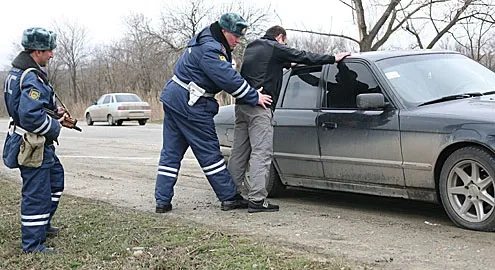
После этого машину отправят на штрафплощадку, и покупателю придется через суд доказывать свою добросовестность, а затем пытаться узаконить авто.
Если номера не перебивались и машина не в угоне, есть шанс на успех, но это потребует много времени, нервов и средств (возможно, придется оплатить и растаможку), что сведет на нет всю выгоду от дешевой покупки.
Если же номера перебиты, поставить машину на учет не удастся, и останется только разобрать ее на запчасти или заменить агрегаты с измененными номерами. А замена двигателя или кузова — это удовольствие не из дешевых.
Что предпринять
Если владелец «оригинальной» машины вдруг обнаружил своего «близнеца», у него есть несколько путей.
Первый: сменить номера или переоформить авто на родственника (при этом меняется номерной знак, техпаспорт и свидетельство о регистрации) и продолжать ездить, либо просто продать машину другому человеку.
Второй: обратиться в РОВД или департамент ГАИ с заявлением о найденном «клоне», описав ситуацию и попросив провести разбирательство.
Третий: оставить все как есть и надеяться, что существование «двойника» не создаст проблем в будущем.
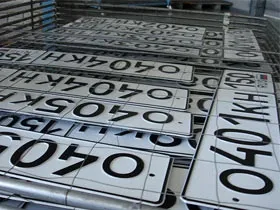
А вот владельцу «клонированного» авто остается лишь вести себя максимально незаметно, избегать контактов с ГАИ и не пытаться продать машину.
Итог
В этой ситуации гораздо проще не допустить ее возникновения, чем потом через суд доказывать, что ты честный покупатель. Поэтому стоит придерживаться простых правил:
- Не стоит покупать авто по цене, которая значительно ниже рыночной. Экономия на «проблемной» машине может обернуться потерей времени, нервов и денег.
- Перед покупкой подержанного авто обязательно проверьте номера агрегатов на предмет угона.
- При малейших сомнениях — закажите экспертизу номерных агрегатов (от 400 грн.) или вовсе откажитесь от сделки.
И берегите техпаспорт.