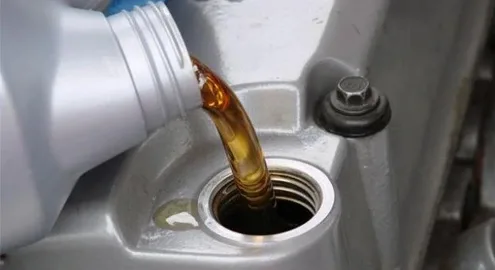
Вопрос о том, что произойдет при смешивании минерального и синтетического масел в двигателе, обсуждается уже много лет. Часть автолюбителей уверена, что подобная смесь способна серьезно навредить силовому агрегату. Другие придерживаются мнения, что ничего страшного не случится, и главное — использовать продукцию одного бренда.
Попробуем выяснить, действительно ли такое смешивание опасно для двигателя.
Какую роль играет масло в моторе?
Как показывают тесты, двигатель может функционировать и без смазки. Однако это продлится недолго, и после такой работы агрегат, скорее всего, придется списывать. Моторное масло выполняет целый ряд задач:
- защищает трущиеся детали от износа и повреждений;
- минимизирует потери мощности на преодоление трения;
- очищает внутренние элементы мотора;
- отводит избыточное тепло от деталей;
- гасит вибрации и шум, снижает ударные нагрузки.
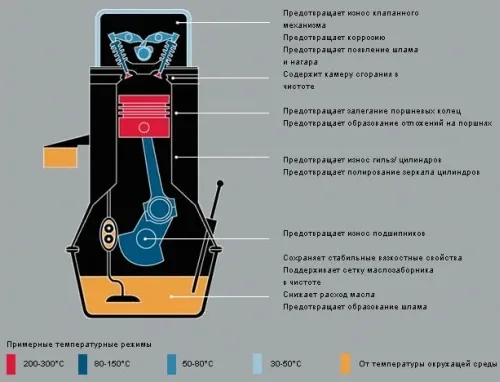
Иными словами, именно масло обеспечивает стабильную и долговечную работу двигателя.
Ключевые отличия между «минералкой» и «синтетикой»
Напомним, из чего состоят эти два типа моторных масел.
Минеральные составы получают при переработке нефти. Их характеристики не отличаются стабильностью, а испаряемость довольно высока. Чтобы улучшить рабочие качества, в них вводят значительное количество присадок, которые со временем разрушаются. Поэтому минеральное масло требует более частой замены.
Синтетические масла создаются путем химического синтеза, и их параметры — такие как вязкость, температуры вспышки и застывания, щелочное и кислотное число — закладываются еще на этапе производства. Эти масла стабильны, а благодаря хорошим вязкостно-температурным свойствам им нужно меньше присадок.
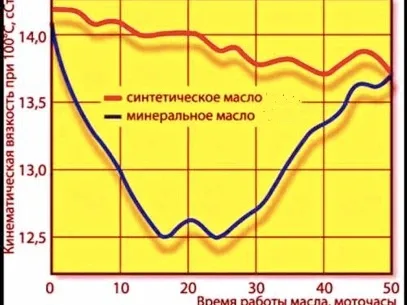
Именно из-за стабильности и меньшего объема присадок синтетика служит дольше, и менять ее приходится реже. Также она выигрывает у минерального масла по термоокислительной стабильности, меньше испаряется и не так склонна к образованию нагара и отложений.
Разница между этими маслами не только в базовой основе. Она также касается набора и концентрации присадок. Среди них:
- загустители;
- моющие компоненты;
- противоизносные добавки;
- антиоксиданты;
- ингибиторы коррозии;
- антивспениватели;
- модификаторы трения;
- депрессорные присадки.
Составы присадок отличаются не только между «минералкой» и «синтетикой», но и между продуктами разных производителей. Это зависит от множества факторов, включая климатические условия эксплуатации. Именно химический состав присадок играет решающую роль в том, как поведет себя двигатель на смеси масел.
Основная опасность — в присадках
Если бы при смешивании взаимодействовали только базовые основы, ущерб для мотора был бы куда меньше. Проблема в том, что присадки из минерального масла не всегда растворяются в синтетической базе и наоборот. Предсказать, что именно произойдет при смешивании конкретных масел, невозможно. Ясно одно — мотор от такой смеси пострадает. Прежде всего, из-за нерастворимого осадка, который выпадает из присадок добавленного масла.
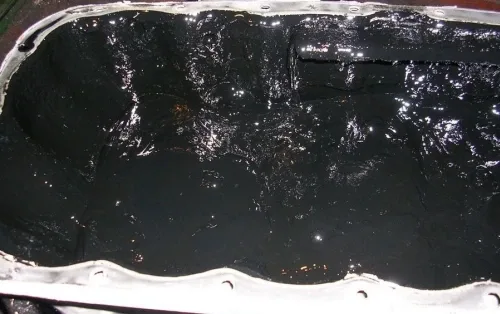
Этот осадок может превратиться в вязкую субстанцию и забить маслоприемник и каналы. В результате двигатель столкнется с масляным голоданием.
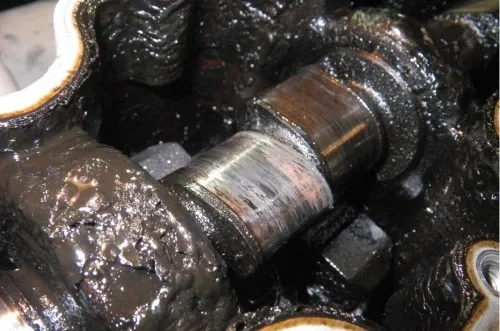
Эксплуатация в таком режиме даже короткое время может привести к поломке агрегата. Важно помнить: масло образует на деталях защитные пленки и слои. Когда в него попадают другие присадки, эти слои разрушаются, ускоряя износ деталей.
Если смешивание уже произошло
Главное — не поддаваться панике. Следует как можно быстрее, без лишней нагрузки на двигатель, добраться до сервиса. Там проведут диагностику и решат, нужна ли промывка системы или достаточно заменить масло и фильтр.
Стоит отметить, что определенный риск все же существует. Иногда смешивание масел одного производителя может пройти без серьезных последствий, но только если такая смесь используется недолго — например, для того чтобы доехать до станции техобслуживания. Но даже в этом случае полной замены масла и фильтра не избежать.