Каждого водителя рано или поздно интересует вопрос, как посчитать расход бензина на 100 км. От этого зависит не только понимание реальной экономичности авто, но и планирование бюджета на топливо. Даже у машин с одинаковым объёмом двигателя и характеристиками расход может отличаться - многое зависит от стиля езды, состояния двигателя и условий эксплуатации. Чтобы правильно оценить расход топлива, не обязательно иметь сложные приборы. Достаточно знать несколько простых приёмов, которые помогут вычислить, сколько бензина уходит на 100 километров или на один километр пути.
Самый точный способ расчёта
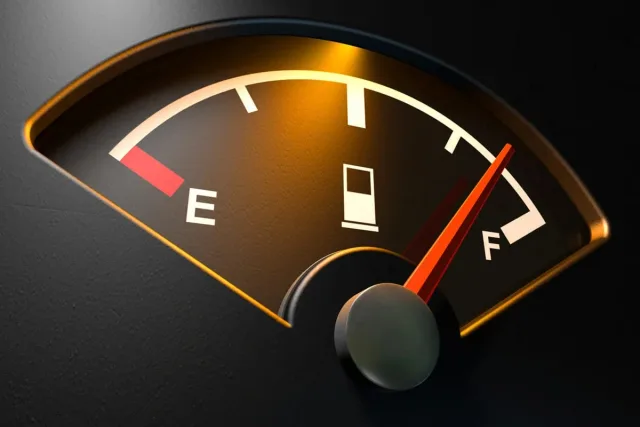
Проще всего измерить расход бензина вручную, используя показания одометра и данные о заправке. Для этого залейте полный бак и обнулите счётчик пробега. Затем ездите в обычном режиме, пока уровень топлива не снизится примерно до половины бака. После этого снова заправьтесь до полного и запомните количество литров, которое вошло. Теперь посмотрите, сколько километров вы проехали с момента первой заправки. Допустим, автомобиль прошёл 250 км, а при повторной заправке вошло 20 литров бензина. Чтобы узнать, как посчитать расход бензина на 100 км, используйте простую формулу: (20 / 250) × 100 = 8 литров на 100 км. Такой расчёт показывает реальное потребление топлива вашим двигателем в конкретных условиях. Если нужно узнать, сколько бензина расходуется на километр, просто разделите 20 литров на 250 км - получится 0,08 литра, то есть 80 мл на один км.
Что влияет на расход топлива
Если вы заметили, что ваш автомобиль стал потреблять больше бензина, стоит обратить внимание на состояние двигателя. Изношенные свечи зажигания, грязный воздушный фильтр, неправильное давление в шинах - всё это заставляет мотор работать с повышенной нагрузкой. Даже небольшие отклонения в работе системы впрыска или датчиков могут увеличить расход на 10-20%. Кроме того, большое значение имеет стиль вождения. Частые разгоны, езда на высоких оборотах и резкие торможения повышают нагрузку на двигатель, а значит - и расход топлива. На трассе, наоборот, можно достичь минимальных значений, если поддерживать равномерную скорость.
Как посчитать расход бензина при разных условиях
Рассчитать расход бензина на 100 километров полезно не только в смешанном режиме, но и отдельно для города и трассы. Так вы сможете понять, где двигатель работает наиболее эффективно. Например, если в городе выходит 10-11 л/100 км, а на трассе - всего 6, это нормальное соотношение. Если же цифры почти одинаковые, стоит проверить систему подачи топлива или давление в шинах. Также можно ориентироваться на показания бортового компьютера, но ручной способ остаётся более надёжным. Электроника часто усредняет данные и не учитывает индивидуальные особенности конкретного двигателя или качества топлива.
Как уменьшить расход
Когда вы уже знаете, как посчитать расход бензина на километраж, можно начать работу над его снижением. Следите за чистотой фильтров, вовремя меняйте масло, избегайте длительной работы на холостом ходу. Даже простая привычка плавно трогаться с места способна сократить расход на несколько процентов. Если двигатель исправен, а расход всё равно кажется завышенным, попробуйте сменить автозаправку или топливо. Качество бензина напрямую влияет на эффективность сгорания и работу мотора.
Итог
Посчитать расход бензина несложно - достаточно немного внимания и простой арифметики. Формула одинакова для любого авто: литры, потраченные на поездку, делятся на пройденные километры и умножаются на 100. Регулярный контроль расхода помогает оценить состояние двигателя, стиль вождения и качество топлива. Зная, как посчитать расход бензина на 100 км, вы сможете не только экономить, но и вовремя заметить неполадки, пока они не повлияли на работу автомобиля.