Причины повышенного расхода масла
Сначала важно понять, почему двигатель «ест» масло. Основные причины:- Износ поршневых колец и цилиндров. Со временем они теряют герметичность, и часть масла попадает в камеру сгорания.
- Изношенные маслосъёмные колпачки. Они теряют эластичность, и масло просачивается в цилиндры.
- Неисправность системы вентиляции картера. При забитом клапане давление внутри картера растёт, что способствует утечке масла.
- Течь через сальники и прокладки. Часто именно они становятся источником медленной утечки, особенно на старых авто.
- Неподходящее моторное масло. Слишком жидкое или некачественное масло быстрее выгорает при высоких температурах.
Как снизить расход масла в двигателе
Существует несколько проверенных способов, которые помогают уменьшить потери масла без капитального ремонта.1. Используйте масло с правильной вязкостью
Если двигатель уже имеет износ, попробуйте перейти на масло с большей вязкостью. Например, вместо 5W-30 можно использовать 5W-40 или 10W-40. Оно создаёт более плотную масляную плёнку, что помогает сократить расход. Но обязательно учитывайте рекомендации производителя авто.2. Следите за уровнем и качеством масла
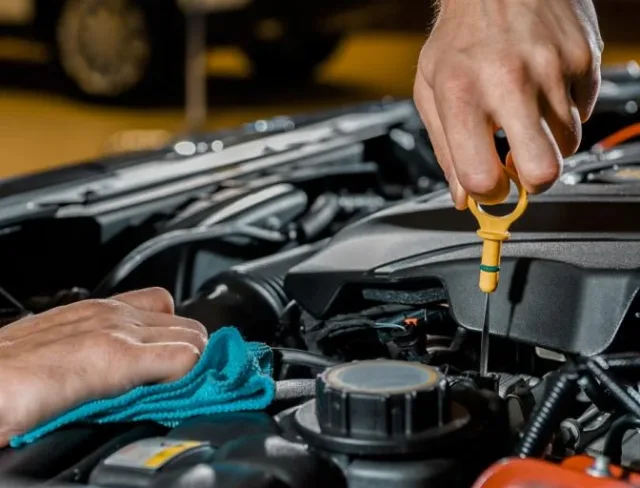
Регулярно проверяйте уровень масла щупом. Если масло быстро темнеет или густеет - это сигнал о возможных проблемах. Также важно менять масло вовремя, не превышая пробег, указанный в регламенте.3. Замените маслосъёмные колпачки
Эта процедура недорогая, но часто именно она помогает уменьшить расход масла в двигателе. Новые колпачки препятствуют попаданию масла в цилиндры, снижая дымность и запах выхлопа.4. Проверьте систему вентиляции картера
Клапан PCV или аналогичная система должна свободно пропускать пары масла и газов. Если она засорена, давление в двигателе повышается, и масло начинает вытекать через слабые места. Промойте или замените клапан при необходимости.5. Используйте присадки для снижения расхода масла
Существуют специальные присадки, которые восстанавливают эластичность уплотнений и улучшают вязкость масла при нагреве. Они не заменяют ремонт, но могут временно помочь уменьшить потери масла, особенно если двигатель старый.6. Следите за состоянием прокладок и сальников
Периодически осматривайте мотор снизу - при утечке будут видны масляные пятна. Даже незначительная течь может приводить к потере сотен миллилитров масла за тысячу километров.7. Проведите диагностику двигателя
Если расход масла превышает литр на тысячу километров, стоит сделать замер компрессии и тест утечек. Это покажет состояние цилиндров и клапанов. Иногда достаточно замены колец или притирки клапанов, чтобы вернуть нормальный расход.Пример: как уменьшить расход масла на Ford Focus 2
На Форд Фокус 2 проблема повышенного расхода масла встречается довольно часто, особенно на моторах 1.6 и 2.0 Duratec. Основные причины - залегание поршневых колец и старые маслосъёмные колпачки.Чтобы уменьшить расход масла на Ford Focus 2, рекомендуется:
- провести раскоксовку двигателя специальными средствами;
- заменить колпачки клапанов;
- использовать масло вязкостью не ниже 5W-40;
- регулярно очищать систему вентиляции картера.