Почему машина плохо заводится после того как постоит?
Anna Tkach
AutoPortal editorial team
867 views
3 min read
Многие автовладельцы сталкивались с ситуацией, когда машина плохо заводится после того как постоит - например, утром после ночной стоянки или после нескольких дней без использования. Иногда двигатель схватывает, но глохнет, стартер крутит вяло или совсем не реагирует. Разберёмся, почему автомобиль плохо заводится после простоя, какие причины самые частые и что делать, чтобы устранить проблему.
1. Основные причины, почему машина плохо заводится после стоянки
1.1. Разряженный аккумулятор
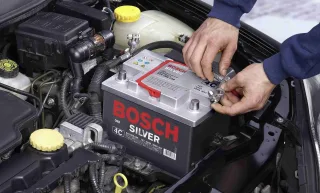
Самая распространённая причина, почему авто плохо заводится после того как постоит - это севший аккумулятор. Даже если он полностью исправен, при длительном простое ток утечки (сигнализация, часы, системы комфорта) постепенно разряжает батарею. Признаки:
стартер крутит медленно или щёлкает;
приборная панель тусклая;
после запуска двигатель глохнет.
Что делать:
попробовать запустить авто от «прикуривания» или пускового устройства;
проверить уровень заряда мультиметром (должен быть не ниже 12,5 В);
при систематическом разряде - протестировать аккумулятор и генератор.
?? Совет: если машина стоит долго, снимайте минусовую клемму или используйте зарядное устройство для подзарядки.
1.2. Неисправности в системе зажигания
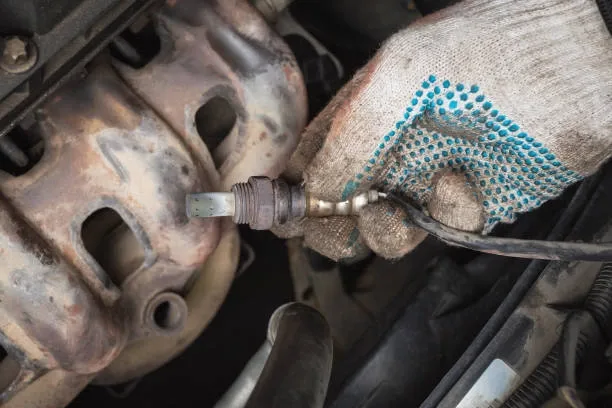
Когда автомобиль плохо заводится после того как постоит, часто виновата система зажигания. Влага, грязь или износ свечей мешают нормальному запуску двигателя. Проверить стоит:
Проверьте, не нагреваются ли провода при попытке запуска.
Если стартер не реагирует - попробуйте постучать по нему лёгким предметом (часто помогает при залипании щёток).
Проверьте ток утечки - он не должен превышать 0,05-0,07 А.
3. Что делать, если авто плохо заводится после того как постоит
Проверить аккумулятор и уровень заряда.
Очистить свечи и контакты системы зажигания.
Проверить давление топлива и качество бензина.
Провести диагностику электронных систем - это поможет найти скрытые ошибки.
Следить за генератором и системой зарядки.
4. Как предотвратить проблемы в будущем
Заряжайте аккумулятор каждые 1-2 месяца, если редко пользуетесь машиной.
Меняйте топливный и воздушный фильтры вовремя.
Заливайте топливо на проверенных АЗС.
Периодически очищайте двигатель от влаги и грязи.
Не оставляйте автомобиль с включёнными потребителями (магнитола, сигнализация высокой мощности).
Итог
Если машина плохо заводится после того как постоит, причина почти всегда в аккумуляторе, системе зажигания или топливоподаче. Иногда проблема кроется в датчиках или генераторе. Начните с простых проверок - заряд, контакты, свечи. Если не помогло - сделайте компьютерную диагностику.