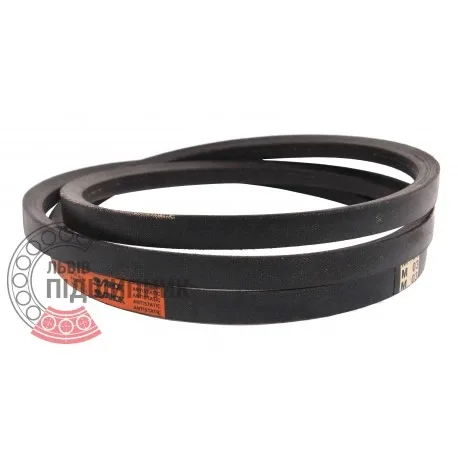
Клиновой ремень - один из самых распространённых элементов в механизмах, где требуется передача вращательного движения от одного вала к другому. Он используется в компрессорах, стиральных машинах, автомобилях, станках и другом оборудовании. Со временем ремень растягивается, изнашивается и требует замены. Чтобы подобрать новый, нужно знать его точный размер. Разберём, как правильно измерить ремень клиновой, чтобы не ошибиться при покупке.
Почему важно измерять ремень точно
Неправильная длина ремня может привести к его проскальзыванию, повышенному износу подшипников и неэффективной передаче мощности. Слишком короткий ремень будет сложно установить, а длинный - ослабит натяжение. Поэтому важно знать, как измерить ремень клиновой максимально точно, чтобы оборудование работало правильно и без перебоев.
Как измерить клиновой ремень без специального оборудования
Если старый ремень сохранился, его можно измерить несколькими простыми способами:
Измерение рулеткой. Положите ремень на ровную поверхность, слегка натяните и измерьте его внешнюю длину рулеткой. Этот способ подходит, если ремень не слишком растянут и не имеет повреждений.
Измерение шнуром или ниткой. Оберните шнуром ремень по наружному периметру, отметьте точку соприкосновения концов и измерьте длину шнура линейкой. Полученный результат - наружная длина ремня.
Если ремень порван. В этом случае два конца можно соединить и измерить суммарную длину. Приблизительная длина поможет подобрать аналог по каталогу производителя.
Как измерить ремень клиновой по шкивам
Если старый ремень утерян, можно измерить расстояние между шкивами. Для этого:
Измерьте расстояние между центрами валов - это межосевое расстояние.
Определите диаметр ведущего и ведомого шкивов.
Подставьте данные в формулу приблизительной длины ремня: L = 2C (π/2) × (D d) ((D - d)² / (4C)), где L - длина ремня, C - межосевое расстояние, D и d - диаметры шкивов.
Эта формула даёт достаточно точный результат, особенно если разница диаметров шкивов невелика. После расчёта длину можно округлить до ближайшего стандартного размера ремня.
Как определить профиль клинового ремня
Помимо длины, важно знать и профиль ремня, то есть его ширину и угол клина. Существует несколько стандартов: A, B, C, D, E, SPA, SPB, SPC и другие. Чтобы определить профиль:
измерьте ширину верхней части ремня штангенциркулем;
сравните значение с таблицей стандартов (например, профиль А имеет ширину около 13 мм, В - 17 мм);
при необходимости возьмите образец с собой в магазин, чтобы консультант помог подобрать аналог.
Таким образом, перед покупкой важно не только понять, как измерить клиновой ремень, но и определить его сечение.
Советы для точного измерения
Чтобы результат был максимально точным:
не измеряйте сильно растянутый или потрескавшийся ремень - он может давать ошибку до 2-3%;
измеряйте при комнатной температуре, без натяжения;
если сомневаетесь, выбирайте ремень чуть длиннее - натяжной ролик компенсирует разницу.
Также можно использовать специальные измерители ремней - это простые устройства, которые позволяют быстро определить длину и профиль, особенно если вы часто сталкиваетесь с заменой ремней.
Итог: как правильно измерить ремень клиновой
Чтобы подобрать замену, достаточно знать несколько параметров: длину, профиль и угол клина. Измерить можно рулеткой, шнуром или по шкивам, а результат уточнить по таблице стандартов. Главное - делать это правильно, без натяжения и с учётом рекомендаций производителя. Теперь вы знаете, как правильно измерить ремень клиновой, чтобы выбрать подходящий вариант и продлить срок службы вашего оборудования.