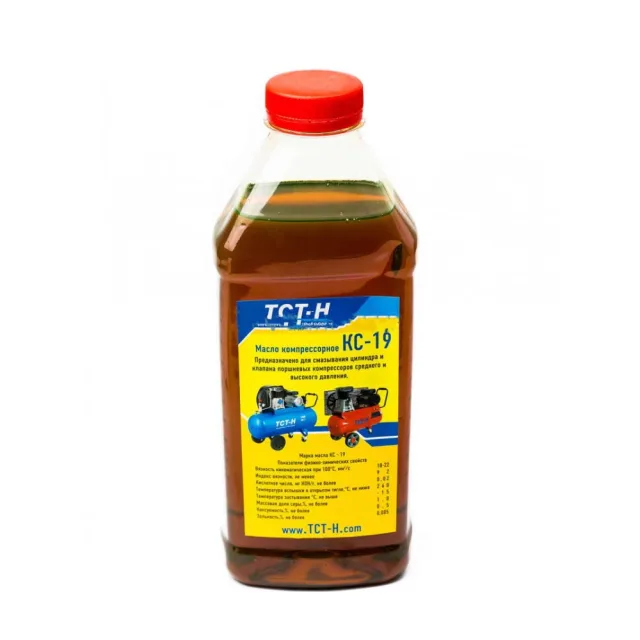
Компрессорное масло играет ключевую роль в работе любого компрессора - от небольших бытовых моделей до мощных промышленных установок. От его качества и свойств напрямую зависит срок службы оборудования, стабильность давления и уровень энергопотребления. Поэтому вопрос как правильно выбрать компрессорное масло актуален для каждого, кто использует компрессор в работе или производстве.
Зачем нужно компрессорное масло
Прежде чем переходить к выбору, важно понять, зачем компрессорное масло вообще необходимо. Оно выполняет сразу несколько функций:
Смазка деталей. Масло снижает трение между поршнями, кольцами и цилиндрами, предотвращая их износ.
Охлаждение. В процессе сжатия воздуха выделяется большое количество тепла. Смазка отводит избыточное тепло и предотвращает перегрев.
Защита от коррозии. Масляная пленка препятствует воздействию влаги и агрессивных газов на металлические элементы.
Уплотнение. Благодаря маслу создаётся герметичность между подвижными деталями, что повышает эффективность компрессора.
Если использовать неподходящее масло или вовсе обойтись без него, компрессор быстро выйдет из строя - детали перегреются, появятся задиры и утечки воздуха.
Как выбрать компрессорное масло: основные критерии
Чтобы оборудование работало правильно и без сбоев, важно знать, масло компрессорное как выбрать. Основные параметры, на которые стоит обратить внимание:
Тип компрессора. Для поршневых моделей подойдут минеральные масла, рассчитанные на умеренные температуры и давление. Винтовые компрессоры требуют синтетических или полусинтетических масел - они устойчивы к окислению и сохраняют свойства при длительной работе.
Температурные условия. При низких температурах лучше использовать масла с низкой вязкостью, чтобы компрессор запускался без затруднений. Для жаркого климата подойдут более густые составы, устойчивые к перегреву.
Интервал замены. Синтетические масла служат дольше - иногда до 4000-6000 моточасов, тогда как минеральные требуют замены каждые 1000-2000 часов. Если компрессор работает постоянно, экономичнее выбрать синтетику.
Совместимость с уплотнителями и фильтрами. Некоторые масла содержат добавки, которые могут повредить резиновые элементы или снизить эффективность фильтров. Перед покупкой стоит уточнить рекомендации производителя оборудования.
Виды компрессорных масел
Компрессорные масла делятся на три основных вида:
Минеральные. Наиболее доступные, но требуют частой замены.
Полусинтетические. Универсальный вариант, сочетающий стабильность и умеренную цену.
Синтетические. Подходят для профессионального использования, выдерживают экстремальные нагрузки и долго сохраняют свойства.
Выбирая, важно учитывать не только цену, но и условия эксплуатации. Для небольших мастерских можно обойтись полусинтетикой, а вот для промышленных установок правильно будет взять синтетику высокого класса.
Итог: как правильно выбрать компрессорное масло
Подведём итог. Чтобы компрессор работал надёжно, следует:
учитывать тип и режим работы оборудования;
выбирать масло нужной вязкости и с качественными присадками;
ориентироваться на рекомендации производителя;
не экономить на качестве и соблюдать интервалы замены.
Таким образом, ответ на вопрос как правильно выбрать компрессорное масло сводится к одному - подобрать состав, который обеспечит надёжную смазку, охлаждение и защиту деталей. Тогда компрессор прослужит долго, а его работа останется стабильной и эффективной.