Что такое ШРУС и зачем он нужен
ШРУС обеспечивает передачу вращения от коробки передач к колёсам, позволяя при этом поворачивать рулём и менять положение подвески. Он особенно важен в переднеприводных автомобилях. Существует два вида:- Внутренний ШРУС - соединяет коробку передач с полуосью;
- Наружный ШРУС - соединяет полуось со ступицей колеса.
Где находится ШРУС в машине
На переднеприводных автомобилях ШРУСы устанавливаются с обеих сторон привода:- Внутренний ШРУС находится ближе к коробке передач или дифференциалу. Посмотрите под капот в районе полуоси - у самой коробки вы увидите обтянутый пыльником элемент - это и есть внутренний ШРУС.
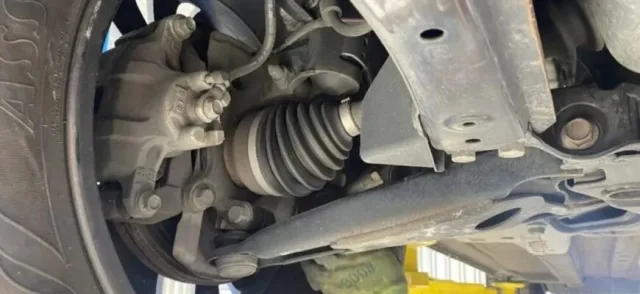
- Наружный ШРУС расположен со стороны колеса, рядом со ступицей. Он также закрыт резиновым пыльником и часто становится источником хруста при поворотах руля.
Где находится внутренний ШРУС
Внутренний ШРУС располагается между коробкой передач и полуосью. Обычно он находится под двигателем, ближе к центру автомобиля. Выглядит как металлический цилиндр, закрытый чёрным гофрированным пыльником. Визуально определить его можно при осмотре ходовой части или на подъемнике.Где находится наружный ШРУС
Наружный ШРУС расположен между полуосью и колесной ступицей. Именно он позволяет колёсам вращаться при повороте руля. Его проще всего найти, сняв колесо - шарнир будет прямо за тормозным диском. Он тоже закрыт пыльником и часто первым выходит из строя из-за активной работы в поворотах и подвижных нагрузок.
Как самостоятельно найти ШРУС
- Поддомкратьте автомобиль и снимите колесо.
- Найдите полуось - прямой металлический вал между коробкой передач и ступицей.
- На концах полуоси будут два шарнира - ближе к коробке внутренний, ближе к колесу наружный.
- Каждый ШРУС будет закрыт пыльником. Если он повреждён, видны следы смазки или грязи.
Признаки неисправности ШРУСа
Если вы слышите хруст при поворотах, особенно на небольшой скорости - скорее всего, изношен наружный ШРУС. Вибрации при разгоне, щелчки или рывки могут свидетельствовать о проблемах с внутренним. Также стоит насторожиться, если вы заметили:- Повреждение пыльника;
- Утечку густой чёрной смазки;
- Металлические щелчки при трогании с места.
Особенности расположения ШРУСа в разных машинах
В автомобилях вроде ВАЗ 2109, Ланос, Пассат B3 - ШРУСы находятся в стандартных местах: наружный возле колеса, внутренний - у коробки. Они идентифицируются по резиновым гофрам и расположению на концах приводных валов. Диагностика и замена в таких моделях довольно проста и может быть выполнена самостоятельно.Теперь вы знаете, где находится ШРУС в автомобиле, как его распознать и на что обратить внимание при осмотре. Важно регулярно проверять состояние пыльников и прислушиваться к звукам при езде. Своевременная диагностика и замена повреждённого ШРУСа помогут избежать более серьёзных проблем с трансмиссией и подвеской.