Почему тормозной шланг сложно открутить
Основные причины:- Коррозия резьбы на соединении;
- Попадание влаги и грязи;
- Окисление металлов в месте стыка трубки и шланга;
- Многолетняя эксплуатация без обслуживания.
Подготовка перед откручиванием
Чтобы избежать срыва резьбы или повреждения трубки, важно подготовиться:Что понадобится:
- Ключ рожковый на 10, 11 или 17 (в зависимости от модели);
- Ключ "накидной" с прорезью - тормозной (трубчатый) ключ;
- WD-40 или аналогичная проникающая смазка;
- Молоток (деревянный или резиновый);
- Проволока или зажим (для подвешивания суппорта, если нужно);
- Защитные перчатки и очки.
Как открутить тормозной шланг от суппорта - пошагово
1. Поддомкратьте автомобиль и снимите колесо
Обязательно подложите страховочный упор - безопасность прежде всего.2. Очистите место соединения
Удалите грязь и пыль щёткой. Можно использовать тормозной очиститель.3. Обработайте соединение WD-40
Щедро сбрызните резьбу в месте соединения шланга и суппорта. Подождите 10-15 минут.4. Используйте правильный ключ
- Простой рожковый может сорвать грани гайки.
- Лучше взять трубчатый тормозной ключ с прорезью - он плотно охватывает гайку, снижая риск срыва.
5. Удерживайте суппорт или фиксатор
Иногда шланг держится дополнительно на скобе - снимите её, если нужно. Не давайте всей конструкции прокручиваться.6. Аккуратно начинайте откручивать
Плавными, но уверенными движениями начинайте откручивать гайку. Если не идёт - попробуйте постучать по ключу лёгкими ударами.7. Если не откручивается - прогрейте
Можно аккуратно прогреть гайку феном или газовой горелкой. Но не перегрейте! - это может повредить резиновый шланг.
Как открутить тормозной шланг от трубки
Откручивание от трубки (магистрали) требует ещё большей осторожности:- Используйте только специальный ключ на 10 или 11 - обычный рожковый может сорвать грани.
- После обработки WD-40, двигайте гайку туда-сюда, расшатывая.
- Если гайка "прикипела", а трубка начинает скручиваться - остановитесь!
- В крайнем случае - срезайте шланг и аккуратно прогревайте гайку, удерживая трубку фиксированно.
Особенности на ВАЗ 2106
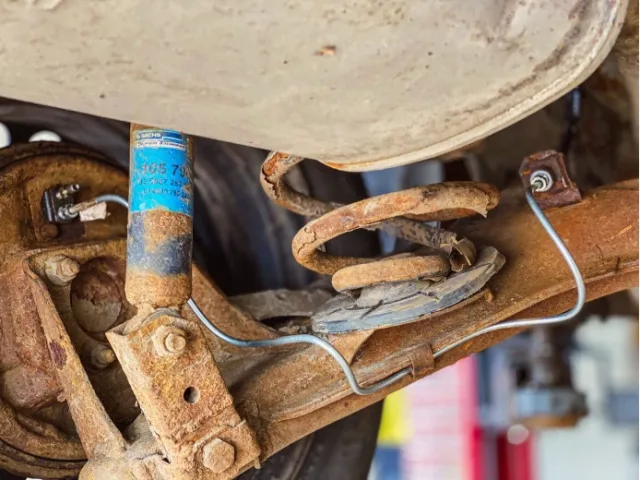
На ВАЗ 2106 тормозные шланги крепятся:- На передней оси - к суппорту (через резьбовое соединение);
- На задней - к тормозному цилиндру.
- Часто используется гайка с гранями под 10 мм, обязательно применяйте трубчатый ключ.
- Резьба может быть покрыта ржавчиной - обработка WD-40 обязательна.
- Не повредите трубку, иначе придётся менять всю магистраль.
Частые ошибки при замене тормозного шланга
- Применение неправильного ключа - приводит к срыву грани;
- Резкое усилие - может сорвать резьбу;
- Отсутствие предварительной обработки - затрудняет демонтаж;
- Игнорирование прокачки после замены - создаёт воздушную пробку в системе.
Что делать после откручивания
- Проверьте состояние посадочного места - очистите от грязи и ржавчины.
- Установите новый шланг, соблюдая порядок подключения.
- Затяните соединения, но не перетягивайте.
- Прокачайте тормоза, удалив воздух из системы.
- Проверьте герметичность - при нажатии на педаль жидкость не должна подтекать.
Теперь вы знаете, как открутить тормозной шланг от суппорта, а также от трубки - и при этом не сорвать резьбу и не повредить магистраль. Особенно важно соблюдать осторожность на ВАЗ 2106 и других автомобилях с устаревшей системой. Помните: аккуратность и правильный инструмент - залог успеха и безопасности.