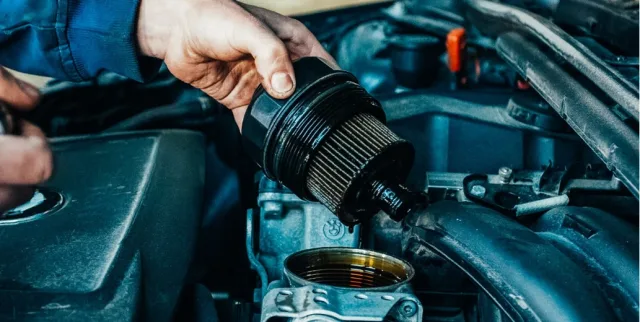
Выбор качественного масляного фильтра напрямую влияет на долговечность двигателя. В этой статье расскажем, как правильно подобрать масляный фильтр, включая вариант по VIN?коду, и как выбрать хороший масляный фильтр, который обеспечит достойную защиту мотора.
Почему важно выбрать правильно
Масляный фильтр задерживает частицы изношенных деталей, предотвращает загрязнение масла. Если допустить ошибку при выборе, можно получить:
Недостаточную фильтрацию масла,
Ухудшение циркуляции и сгорания,
Повреждение двигателя из-за забитого картриджа.
Поэтому, прежде чем выбрать масляный фильтр, важно учесть ряд факторов.
1. Используйте VIN?код автомобиля
Использование VIN?кода - самый точный способ. VIN содержит всю информацию о модели, двигателе и заводской комплектации. Многие интернет-магазины и официальные дилеры позволяют сразу по VIN?коду увидеть список совместимых фильтров. Подобрать масляный фильтр по VIN?коду легко и надёжно - это самый правильный способ.
2. Изучите технические характеристики
Обратите внимание на:
Тип конструкции: фильтры могут быть спиральными, канистрами или вставными;
Пропускная способность: должна соответствовать объёму и типу двигателя;
Коэффициент очистки: важен для надёжной фильтрации.
Ищите марки с указанием официальных стандартов - API, ACEA, допуски автопроизводителей.
Аналоги A?класса - Mahle, Mann, Bosch, которые хорошо себя зарекомендовали.
Бюджетные аналоги, но они могут уступать в качестве и ресурсе.
Чтобы выбрать хороший масляный фильтр, лучше остановиться на бренде с проверенной репутацией и чётким подтверждением технических характеристик.
4. Проверьте сроки и упаковку
Важно:
Убедиться, что фильтр не просрочен - у качественных производителей есть дата изготовления.
Упаковка - она должна быть целой и не вскрытой. Подделки часто продаются в повреждённых коробках.
5. Учитывайте рекомендации производителя
В инструкции к машине указываются параметры твёрдости, срока службы и тип фильтра. Как правильно выбрать масляный фильтр - опираться на данные производителя:
Диаметр и посадочное место,
Рабочее давление,
Ресурс эксплуатации (обычно 10-15?тыс. км).
6. Ценовой фактор
Не стоит выбирать самый дешёвый вариант - бюджетные фильтры могут уступать в фильтрации и долговечности. Оптимальный выбор - хороший масляный фильтр средней ценовой категории, предоставляющий все необходимые допуски.
Пошаговый алгоритм
Введите VIN?код в интернет-магазине или у дилера - получите пару подходящих фильтров.
Сравните бренды: OEM или аналоги от ведущих производителей.
Убедитесь в сроке годности и целостности упаковки.
Сравните цены и подберите оптимальный вариант.
Обновляйте фильтр каждые 10-15?тыс. км или согласно регламенту.
Чтобы подобрать масляный фильтр для автомобиля правильно, начинайте с поиска по VIN?коду, внимательно проверяйте технические параметры и ориентируйтесь на надёжные бренды. Так вы выберете качественный фильтр, который продлит жизнь двигателю и обеспечит надёжную работу автомобиля.