Основные причины появления дыма из выхлопной трубы
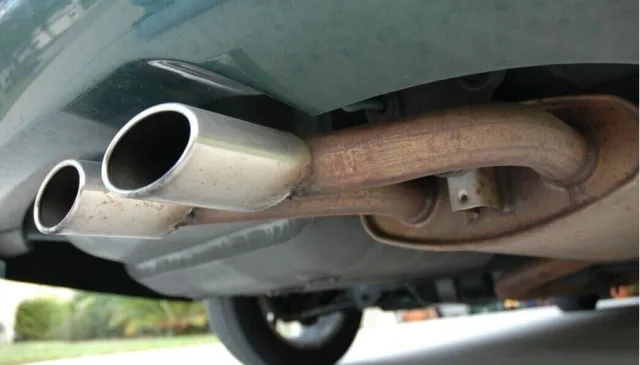
Дым из выхлопной трубы - это продукт сгорания топлива и других веществ внутри двигателя. При нормальной работе двигателя дым из трубы практически незаметен, либо отсутствует вовсе. Если же дым стал густым и заметным, значит процесс сгорания нарушен. Причины могут быть разными - от неправильной работы топливной системы до механических повреждений двигателя.
Одной из самых частых причин, почему сильно дымит выхлоп, является попадание масла в камеру сгорания. Это происходит, когда изношены маслосъёмные колпачки или поршневые кольца, через которые масло попадает в цилиндры. В результате сгорания масла появляется характерный синий или сизый дым. Кроме того, износ может вызвать увеличение расхода масла и ухудшение работы двигателя. Другой распространённой причиной является нарушение герметичности системы охлаждения. Попадание охлаждающей жидкости в камеру сгорания приводит к появлению белого дыма, который особенно заметен при холодном запуске двигателя.
Если белый дым идёт постоянно и после прогрева мотора, это признак серьёзной поломки - например, повреждения прокладки головки блока цилиндров, трещин в головке или самом блоке. Чёрный дым из выхлопной трубы обычно свидетельствует о чрезмерном обогащении топливной смеси. Причины этого могут скрываться в неправильной работе топливной системы - засорённых форсунках, неисправностях датчиков, проблемах с регулировкой подачи воздуха, а также в забитом воздушном фильтре. Обильный чёрный дым - признак того, что топливо сгорает не полностью, что приводит к увеличенному расходу топлива и загрязнению выхлопной системы.
Почему важно обращать внимание на цвет и интенсивность дыма
Цвет и плотность дыма из выхлопной трубы являются важными диагностическими признаками. Белый, синий или чёрный дым сигнализируют о разных проблемах, требующих различных подходов к ремонту и обслуживанию. Игнорирование этих признаков может привести к ухудшению состояния автомобиля и серьёзным повреждениям двигателя, которые потребуют дорогостоящего ремонта. Интенсивность дыма - ещё один важный фактор. Слабое появление дыма при холодном запуске двигателя считается нормой, особенно в холодное время года. Однако если дым становится густым и появляется постоянно, это уже повод для беспокойства.

Что делать, если сильно дымит выхлопная труба?
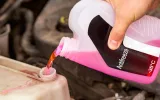
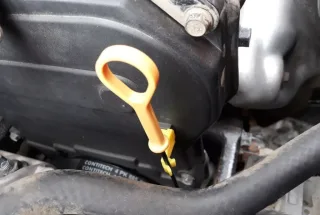
Первое, что нужно сделать, - определить цвет дыма, так как это поможет сузить круг возможных причин. Если дым белый и густой, стоит проверить систему охлаждения: уровень антифриза, наличие подтеканий, а также провести диагностику на предмет повреждений прокладки головки блока цилиндров. При появлении синего дыма необходимо обратить внимание на уровень и состояние моторного масла, а также проверить компрессию в цилиндрах, чтобы выявить износ колец или маслосъёмных колпачков. Если дым чёрный, имеет смысл начать с проверки воздушного фильтра и состояния топливной системы - форсунок, датчиков и регуляторов подачи топлива. Очистка или замена воздушного фильтра, а также ремонт топливной системы зачастую устраняет проблему. Для точной диагностики и правильного ремонта рекомендуется обратиться к квалифицированному автосервису, где специалисты с помощью диагностического оборудования смогут определить точные причины и назначить необходимые работы.Последствия игнорирования проблемы
Если сильно дымит выхлопная труба, и при этом не предпринимать никаких действий, это может привести к серьёзным последствиям. Постоянное попадание масла или охлаждающей жидкости в камеру сгорания ухудшает состояние двигателя, вызывает его перегрев и преждевременный износ. При неисправностях топливной системы ухудшается экономия топлива, снижается мощность и увеличивается вред для окружающей среды из-за повышенного выброса вредных веществ. Игнорирование симптомов приводит к росту затрат на ремонт и снижению безопасности автомобиля.Сильный дым из выхлопной трубы - это важный сигнал о проблемах с двигателем или системой выхлопа. Понимание причин появления дыма, определение его цвета и своевременное обращение к специалистам помогут сохранить ресурс двигателя и избежать серьёзных поломок. Не пренебрегайте этими симптомами, ведь здоровье автомобиля зависит от своевременного и правильного обслуживания.