Что такое VIN-код?
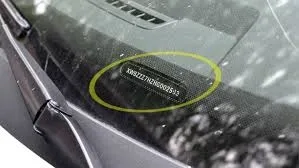
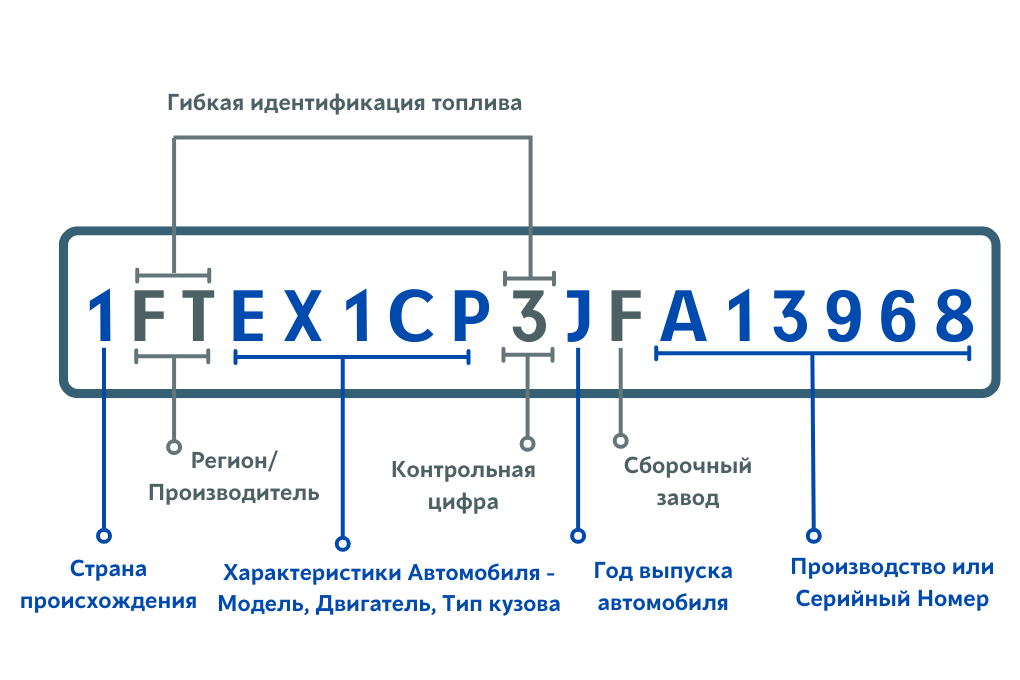
VIN-код состоит из 17 символов и размещается в нескольких местах автомобиля: на табличке под лобовым стеклом, на стойке водительской двери, в ПТС и других регистрационных документах. Первый символ VIN-кода указывает на страну производства. Например, буква "J" - это Япония, "W" - Германия, "1" или "4" - США, а "Z" - Италия. Таким образом, уже по первой букве можно предположить, где собран автомобиль по VIN коду. Для более точной информации необходимо расшифровать сразу несколько символов VIN.
Первые три символа составляют WMI-код (World Manufacturer Identifier), который определяет производителя и регион. Следующие шесть символов обозначают характеристики автомобиля, включая модель, тип кузова, двигатель и коробку передач. Последние восемь символов содержат информацию о серийном номере и годе выпуска. Среди этих символов также можно найти код, указывающий на конкретный завод, где была проведена сборка.
Где найти VIN-код?
Чтобы понять, как узнать, где собран автомобиль по VIN онлайн, существует несколько способов. Один из самых удобных - воспользоваться специальными онлайн-сервисами для расшифровки VIN-кодов. Например:
На этих сайтах достаточно ввести VIN-код в поисковую строку и нажать «Проверить». Через несколько секунд вы получите подробный отчет, в котором будет указано, где собран автомобиль по vin онлайн, включая страну и город производства, а также дополнительную информацию об автомобиле: пробег, наличие ДТП, сервисную историю, количество владельцев и т.д.
Также вы можете воспользоваться официальными сайтами автопроизводителей. Некоторые бренды, такие как BMW, Toyota, Volkswagen или Ford, предоставляют возможность проверки VIN-кода на своем сайте или через приложения. Это особенно полезно, если вы хотите убедиться в подлинности происхождения машины. Важно понимать, что информация о том, где собран автомобиль по VIN коду, может существенно повлиять на решение о покупке. Например, один и тот же автомобиль, собранный в Германии или в странах СНГ, может отличаться качеством сборки, комплектацией и ценой. Также знание места сборки позволяет выявить возможную подделку VIN-кода - если первая буква говорит об Азии, а документы указывают на Германию, это повод насторожиться.

Дополнительно стоит учитывать, что некоторые производители собирают автомобили на заводах в разных странах. Так, Hyundai может быть собран в Корее, Чехии или даже России. Поэтому знание точного кода завода помогает определить, где именно собран конкретный экземпляр автомобиля, а не просто страну происхождения бренда. Еще один способ - обратиться к дилеру. Официальные представительства имеют доступ к закрытым базам данных и могут быстро ответить, где собран ваш автомобиль по VIN, особенно если вы покупали машину у них. Также такую информацию можно запросить в автосервисе, где выполнялось обслуживание - там часто фиксируют данные по VIN в своей системе.
Таким образом, если вы не уверены, как узнать, где собран автомобиль по VIN коду, просто воспользуйтесь бесплатными онлайн-расшифровщиками или обратитесь в официальный сервис. Это займет всего несколько минут, но позволит получить достоверную информацию, убережёт от покупки «проблемного» авто и поможет лучше понять историю транспортного средства.
Интересный факт про VIN-код:
VIN-код не содержит букв I, O и Q. Это сделано намеренно, чтобы избежать путаницы с цифрами 1 и 0, поскольку визуально они могут быть очень похожи. Такая мера помогает предотвратить ошибки при считывании кода, особенно в документах и при автоматической обработке данных.
Вывод: Чтобы узнать, где собран автомобиль по VIN онлайн, достаточно воспользоваться проверенными сайтами или обратиться к дилеру. VIN-код - это универсальный инструмент, который поможет не только определить страну и завод сборки, но и получить полную историю автомобиля. Проверяйте автомобиль перед покупкой и будьте уверены в его происхождении.