Гибрид - это транспортное средство, в котором сочетаются два типа двигателей: традиционный двигатель внутреннего сгорания (ДВС) и электрический мотор. Их задача - работать в тандеме, обеспечивая экономичную, экологичную и надёжную эксплуатацию. В зависимости от ситуации на дороге гибрид может использовать оба двигателя одновременно или по отдельности. Именно такое переключение между источниками энергии делает гибридные технологии особенно эффективными.
Как работает гибрид?
Суть работы гибридного авто заключается в том, что на низких скоростях или при движении по городу автомобиль использует электромотор, работающий от аккумулятора. Это позволяет существенно снизить расход бензина. Когда нужно ускориться, система подключает бензиновый двигатель, который помогает электромотору или полностью берёт на себя управление. Также гибрид может заряжать аккумулятор с помощью рекуперативного торможения - то есть преобразовывать энергию торможения в электричество. Таким образом, гибридный автомобиль адаптируется под стиль вождения и дорожные условия. При остановках на светофоре или в пробке двигатель может автоматически отключаться, чтобы экономить топливо и уменьшать вредные выбросы. Как только водитель нажимает на педаль газа, система плавно активирует нужный мотор, и авто продолжает движение.

Как работает гибридный автомобиль Toyota?
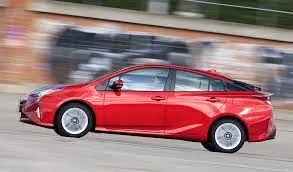
Один из лидеров на рынке гибридов - это Toyota. Компания стала пионером массового производства таких машин, и модель Toyota Prius стала настоящим символом экологичного транспорта. Как работает гибридный автомобиль Toyota? В основе гибридной системы Toyota лежит фирменная технология Hybrid Synergy Drive, которая идеально сочетает работу бензинового и электрического двигателя. При старте и медленном движении Toyota использует только электротягу. Когда требуется больше мощности - к работе подключается бензиновый двигатель. В момент замедления или торможения система автоматически заряжает аккумулятор. Особенность гибридов Toyota в том, что все процессы полностью автоматизированы. Водителю не нужно вручную выбирать режим работы - автомобиль сам решает, какой двигатель использовать, чтобы достичь максимальной эффективности. Именно поэтому гибрид Toyota считается удобным и надёжным вариантом для повседневной езды в городе.
Гибридный автомобиль: как это работает на практике?
Многие водители задаются вопросом: гибридный автомобиль - как это работает на практике? На первый взгляд, всё похоже на управление обычной машиной. Однако разница становится заметной уже на первых километрах: гибриды движутся плавнее, тише и потребляют меньше топлива. Важно понимать, что гибрид не требует зарядки от розетки (если речь идет о классическом гибриде, а не подключаемом - plug-in). Электроэнергия вырабатывается самой машиной в процессе езды. Это делает гибрид удобным выбором для тех, кто хочет экономить, но не готов менять привычки. Многие водители отмечают, что при вождении гибрида Toyota чувствуется меньше вибраций, а расход топлива может быть в два раза ниже, чем у традиционного бензинового авто. При этом динамика остаётся на достойном уровне, особенно у новых моделей с усовершенствованными гибридными системами.
Преимущества гибридных автомобилей
Теперь, когда понятно, как работает гибридный автомобиль, можно кратко выделить его главные плюсы. Это, в первую очередь, экономия топлива, снижение вредных выбросов, тихая и комфортная езда, а также долговечность двигателя, поскольку гибридная система снижает его нагрузку. Также гибриды, особенно от Toyota, славятся своей надёжностью. Эти автомобили реже ломаются, а стоимость обслуживания зачастую ниже, чем у традиционных машин. Кроме того, во многих странах гибридные авто имеют налоговые льготы и преференции при парковке.

Есть ли недостатки у гибридов?
Несмотря на очевидные преимущества, у гибридных автомобилей есть и определённые недостатки. Прежде всего - это более высокая начальная стоимость по сравнению с традиционными авто. Хотя со временем гибрид помогает экономить на топливе, его покупка может потребовать большего бюджета. Кроме того, система гибрида более сложная, и в случае серьёзной поломки ремонт может обойтись дороже.
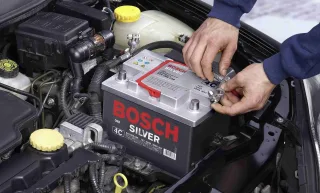
Интересный пример - случай с владельцем Toyota Prius в Киеве, у которого спустя 9 лет эксплуатации начались проблемы с высоковольтной батареей. Машина стала хуже разгоняться, чаще включался бензиновый двигатель и резко вырос расход топлива. Диагностика показала деградацию нескольких ячеек аккумулятора. Замена всей батареи на новую обошлась бы в 60 000 грн, но владелец нашёл мастерскую, где предложили восстановление - замену только повреждённых модулей. Итоговая стоимость ремонта составила около 12 000 грн, и автомобиль снова начал работать стабильно. Этот случай хорошо иллюстрирует, что хотя гибрид - это надёжный автомобиль, при выходе из строя его компонентов важно обращаться к специалистам, знакомым с гибридными системами. Также стоит учитывать, что в холодном климате эффективность батареи может снижаться, а объём багажника у некоторых моделей уменьшен из-за размещения аккумулятора. Несмотря на это, для многих водителей плюсы всё же перевешивают, особенно если понимать, как работает гибридный автомобиль, и использовать его возможности разумно.
Как работает гибридная машина - это вопрос, который интересует всё больше автомобилистов. Современные гибриды, особенно гибридный автомобиль Toyota, сочетают в себе лучшие качества двух технологий: экологичность электромотора и мощность бензинового двигателя. Если вы ищете комфортное, надёжное и экономичное авто для города и трассы, гибрид - это то, что стоит рассмотреть. Надеемся, теперь вы точно знаете, как работает гибридный автомобиль и почему он считается транспортом будущего.