Регулярно змінюйте трансмісійну рідину
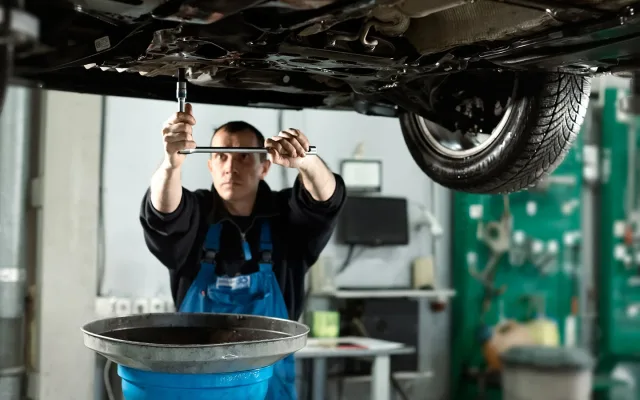
Вона відповідає не лише за змащення, а й за охолодження, очищення та передачу зусилля. З часом її властивості погіршуються, а продукти зносу осідають у системі. Щоб цього уникнути, рекомендується оновлювати рідину кожні 40–60 тисяч кілометрів пробігу, особливо при інтенсивному міському русі або у спеку. Важливо використовувати лише той тип рідини, який передбачений виробником авто.
Прогрівайте трансмісію в холодну пору року
Після запуску двигуна варто дати коробці кілька хвилин на «розкачку». Спокійний початок руху без різких натискань на педаль газу дасть рідині змогу вийти на робочі параметри й забезпечити нормальне змащення.
Слідкуйте за рівнем і станом рідини
Її недостача призводить до перегріву, втрати тиску й швидкого зносу. Якщо рідина стала темною або має запах гару — це сигнал про критичне навантаження або перегрів. У такому разі варто звернутися на СТО, а не чекати, поки коробка перестане перемикатися.
Уникайте різких маневрів
Автомат не любить різких дій. Водіям варто уникати «стартів з місця», раптових прискорень або гальмувань. Такі маневри створюють пікові навантаження, які призводять до зношування фрикційних елементів і гідротрансформатора.
Не перевантажуйте автомобіль
Слід уникати буксирування причепів, поїздок з важкими вантажами або тривалих поїздок на крутих підйомах без додаткового охолодження трансмісії. Такі навантаження часто стають причиною перегріву й серйозних пошкоджень.
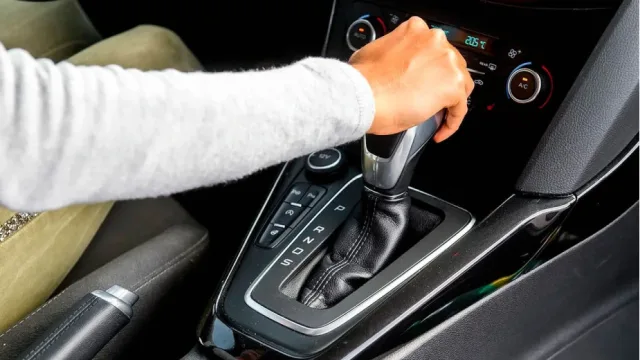
Не перемикайте селектор на ходу
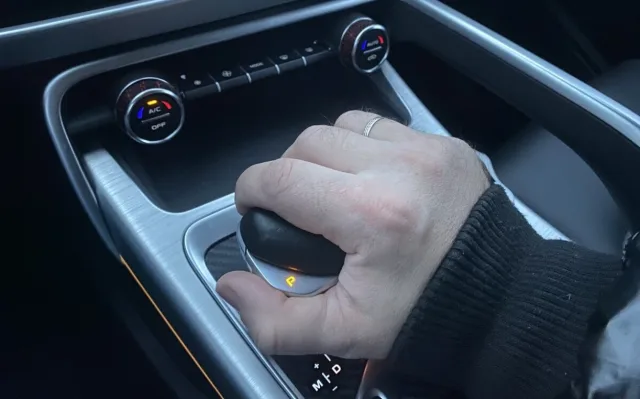
Перехід між режимами P, R, N, D можливий лише на повній зупинці авто. Перемикання «на ходу» провокує удари по елементам трансмісії та поступове руйнування вузлів. Також не варто залишати авто в режимі «D» при тривалих зупинках — краще перейти в «N» і використати ручне гальмо.
Своєчасно діагностуйте трансмісію
Сучасні авто мають електронні блоки управління АКПП, які фіксують помилки та відображають їх на панелі приладів. Не ігноруйте жодних попереджень — іноді своєчасний візит на СТО рятує від капітального ремонту. Регулярна діагностика дозволяє виявити проблеми на ранньому етапі.
Використовуйте стоянкове гальмо
Паркування на схилі без ручника — одна з поширених помилок. Від цього надмірно навантажується механізм блокування в коробці. Щоб уникнути зносу, завжди фіксуйте автомобіль стоянковим гальмом перед тим, як увімкнути режим «P».
Не запускайте авто “з поштовху”
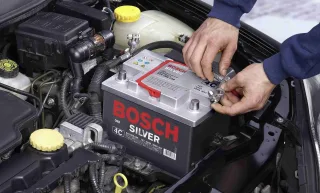
Для АКПП такий метод запуску є руйнівним. Якщо авто не заводиться — краще скористатися «прикурюванням» або викликати технічну допомогу. Інакше ризикуєте попрощатися не лише з трансмісією, а й з іншими системами.
Дотримуйтеся рекомендацій виробника
В інструкції до автомобіля чітко прописано, який тип рідини використовувати, через які інтервали її змінювати, і як правильно поводитися з трансмісією. Ігнорування цих правил часто стає причиною втрати гарантії або дорогих ремонтів, які можна було легко уникнути.