Напомним, что гидроудар происходит вследствие попадания большого количества воды в двигатель. В отличие от топливной смеси в цилиндрах, вода не сжимается. По сути, поршни ударяются о жидкость, что чревато остановкой мотора и очень печальными последствиями.
Если гидроудар произошел во время стоянки авто, а мотор работал на холостых оборотах, то он попросту может заглохнуть. Но если автомобиль движется, то повреждения будут серьезными – деформация поршней, поршневых колец, шатунов, а иногда – и коленвала. Возможны даже пробои блока цилиндров.
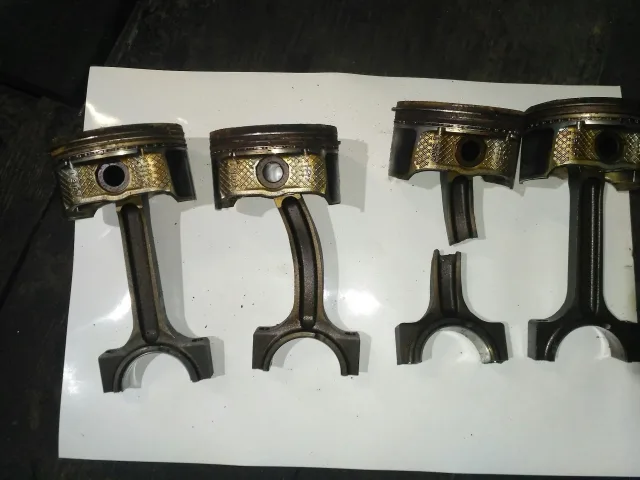
Следует отметить, что для дизелей гидроудар двигателя опаснее в виду большей степени сжатия в цилиндрах. В особо серьезных случаях мотор даже не подлежит ремонту.
Кстати, далеко не всегда авто глохнет в луже именно из-за гидроудара – порой из-за влаги попросту "глючит" электроника. В этом случае достаточно подождать короткое время и попробовать снова завести двигатель.
На вероятный гидроудар мотора может указывать наличие воды в воздушном фильтре, а также стук при ручном провороте коленвала. Еще одним признаком является очень низкая компрессия в цилиндрах, хотя ее уже померяют на СТО.
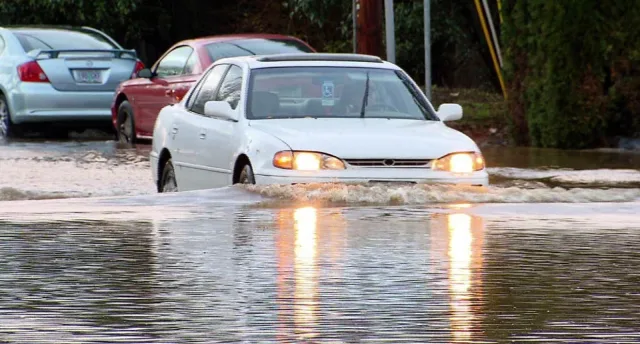
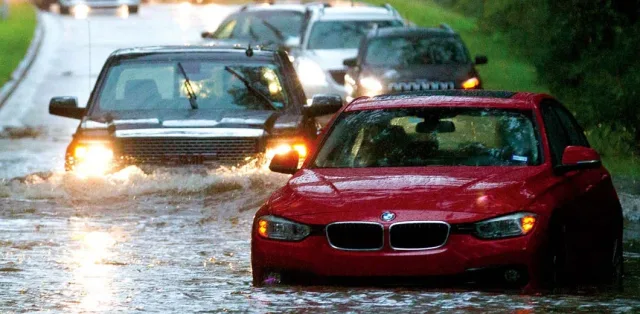
Чтобы избежать гидроудара и дорогостоящего ремонта, не следует проезжать глубокие лужи на высокой скорости. Это создает волну перед автомобилем и она может попасть в воздухозаборник.
В идеале уровень воды не должен превышать нижнюю кромку переднего бампера. Если глубина лужи неизвестна, то не стоит рисковать – нужно сбросить скорость и двигаться равномерно без рывков. А еще лучше – по возможности изменить маршрут и поехать другим путем.