
Чтобы в пути чувствовать себя спокойно и в полной мере наслаждаться поездкой, проверьте состояние своего автомобиля и шин, прежде чем сесть за руль. Экономия на обслуживании перед дальней дорогой может иметь очень неприятные последствия. Ожидание помощи на трассе и ремонт, как правило, отнимают много времени и средств, особенно если внезапная поломка случилась за границей.
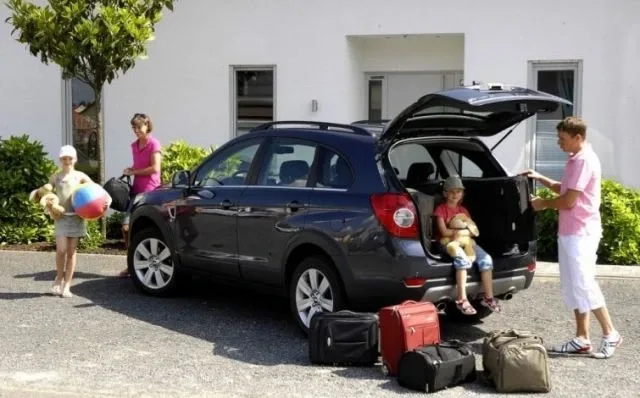
Перед поездкой плановый сервис транспортного средства включает замену масла и фильтра двигателя, а также проверку наиболее важных узлов и систем. Также сюда входит проверка состояния шин. «Согласно ПДД минимальная глубина протектора летних шин составляет 1,6 мм. Однако нужно понимать, что изношенные шины небезопасны, – считает технический директор Nokian Tyres Матти Морри. – При остаточной глубине протектора ниже 4 мм резко возрастет вероятность аквапланирования. Летом неожиданные грозы – довольно частое явление. Поэтому неразумно подвергать риску безопасность семьи, пользуясь изношенными шинами»
Нешипованные зимние шины – не для лета
Нешипованные зимние шины – плохой выбор для летних дорог. Протектор таких шин изготовлен из более мягкой резиновой смеси, рассчитанной на зимнюю погоду, а значит, на мокром покрытии они уступают летним шинам. Тесты показывают, что на мокрой дороге тормозной путь у нешипованных зимних шин на 20% длиннее, чем у летних. Чем мягче резиновая смесь, тем менее она стабильна, и это может привести к раскачиванию загруженного автомобиля во время экстренного перестроения или внезапного поворота.
Не забудьте увеличить давление в шинах
После обслуживания автомобиля, обязательно проверьте давление в шинах до того, как отправиться в путешествие. «Давление в шинах загруженного автомобиля должно быть на 10-15% больше рекомендованного производителем. Указания на этот счет можно найти в руководстве по эксплуатации автомобиля. Например, если рекомендуемый уровень 2,5 бар, нужно добавить 0,25-0,40 бар. Проверять давление следует в холодных шинах. И после каникул не забудьте снизить его уровень до нормальных показателей», – напоминает Матти Морри.
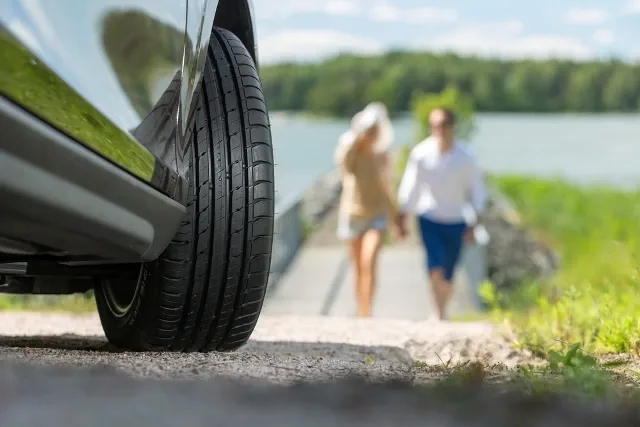
И конечно же, самая надежная гарантия успешного летнего отдыха – спокойный стиль вождения и внимательность за рулем. Ваши пассажиры получат гораздо больше удовольствия от поездки, если вы будете управлять автомобилем спокойно и безопасно.
Советы для безопасного автомобильного путешествия
- Проверьте состояние шин и остаточную глубину их протектора: для безопасного вождения она должна быть не менее 4 мм.
- Проверьте уровень давления в шинах. Если автомобиль сильно загружен, увеличьте давление. Убедитесь в том, что запасное колесо в порядке.
- Независимо от типа привода вашего автомобиля (передний, задний или полный) всегда устанавливайте лучшие шины на заднюю ось.
- Проверьте машинное масло, охлаждающую жидкость, гидроусилитель руля, тормозную жидкость, а также жидкость стеклоомывателя.
- Проверьте систему зажигания автомобиля.
- Возьмите с собой знак аварийной остановки, светоотражающий жилет, карманный фонарик, аптечку первой помощи, а также инструменты для замены и временного ремонта шин.
- Тяжелые предметы укладывайте на дно багажника.
- Не закрепляйте тяжелые предметы на багажнике, установленном на крыше, поскольку это повлияет на центр тяжести автомобиля.
- Возьмите в дорогу автомобильное масло и охлаждающую жидкость, предохранители и руководство по эксплуатации автомобиля.
- Соблюдайте безопасную дистанцию с другими транспортными средствами.