
Эта небольшая хитрость поможет вам сэкономить на топливе и сделать процесс вождения более комфортным.
Из-за холодов шины становятся жестче, что негативно сказывается на комфорте вождения. Автомобили также подвергаются негативному воздействию. В холодную погоду пружины и амортизаторы автомобиля становятся жестче.
«Одной из важных характеристик шины является ее износостойкость, которая влияет на длительность эксплуатации шин. Качественные зимние шины имеют оптимальную резиновую смесь протектора и боковин. В дешевых шинах используется синтетический материал, который выдерживает температуры не ниже 1 градуса» - говорит Матти Морри, технический директор концерна Nokian Tyres.
Холодная погода снижает давление
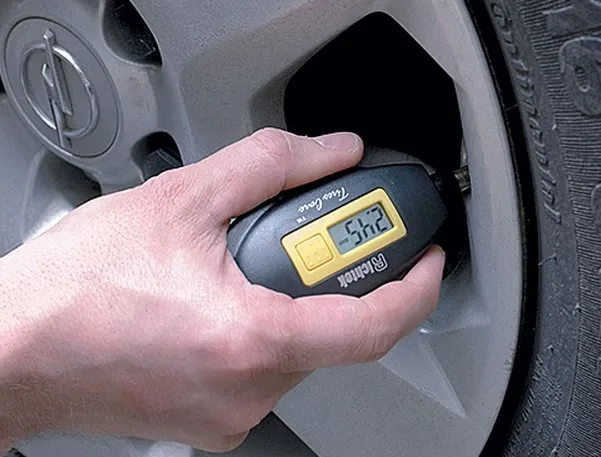
Зимние морозы снижают давление в шинах, в связи с чем возрастает расход топлива и шины изнашиваются быстрее. «Важно помнить, что снижение температуры на 10 градусов снижает давление в шинах примерно на 0,1 бар» - объясняет Матти Морри. При регулировке давления в помещении в зимнее время добавляйте 0,2 бар к показателям, рекомендуемым производителем.
С шипами или без шипов?
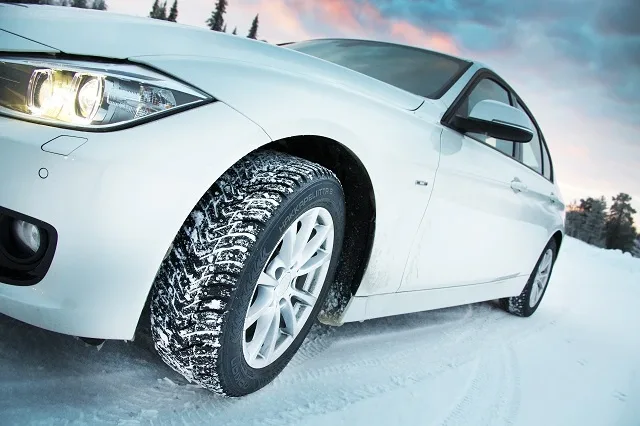
В условиях суровой зимы существенных отличий между шипованными и нешипованными шинами не будет. Разница проявляется скорее в условиях легких морозов. Шипованные шины следует использовать зимой при температуре от -5 до +5 градусов Цельсия. Такая температура способствует образованию ледяной корки на поверхности дороги. При температуре около - 20 градусов шипованные и нешипованные шины будут иметь приблизительно одинаковые показатели сцепления; иногда сцепление не шипованных шин с дорогой может быть даже лучше. При температуре, близкой к нулю, на поверхности льда образуется вода, из-за чего дорога становится более скользкой. В этих условиях сцепление шипованных шин будет лучше.

Если говорить о тормозном пути, то основные различия заметны при температуре, приближенной к нулю градусов. При торможении на льду при скорости 50км/час тормозной путь шипованных шин составляет 43 метра, в то время как нешипованных, скандинавского типа, шин - 60 метров.
Расход топлива зимой
Для многих расход и экономия топлива являются важными факторами при выборе зимних шин.
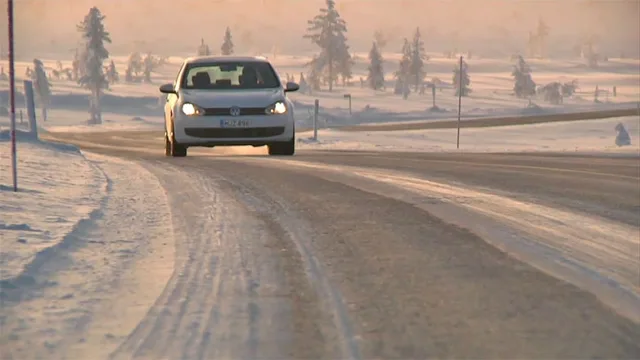
«Многие считают, что зимние шины увеличивают расход топлива. Однако, они имеют более низкое сопротивление качению в отличие от большинства летних, что ведет к уменьшению расхода топлива» - говорит Матти Морри. По его словам, слишком низкий уровень внутреннего давление в шине является самой распространенной причиной повышенного расхода топлива зимой. В зимний период бензиновая смесь более насыщенна, что приводит к небольшому увеличению расхода топлива.
Шины работающие безупречно
В автомобилях с передним приводом передние колеса несут большую нагрузку, чем задние: они задействованы в торможении, ускорении и рулевом управлении, в то время как задние колеса участвуют только в процессе торможения. Важно следить за износом шин и менять их местами по необходимости. Nokian Tyres рекомендует проводить ротацию каждые 8 000 км.
«Когда разница в износе передних и задних шин достигает 2 мм, необходимо поменять их местами» - говорит Морри.
По словам эксперта, водителям, которые используют шипованные шины, необходимо обращать внимание на шипы на передних колесах. При движении автомобиля шипы передних колес будут слегка выступать наружу по сравнению с задними. Чтобы шипы задних колес выступали наружу и сохраняли оптимальное сцепление, необходимо регулярно менять их местами.
Смотрите наше видео о влиянии износа протектора и аквапланировании: