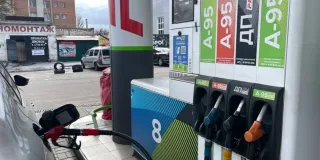
Столичный Институт потребительских экспертиз провёл проверку наиболее крупных игроков на рынке, проведя исследование популярного «девяносто пятого» бензина. При этом в лабораторию отправились пробы не только «обычного» А-95, но и образцы с приставкой «евро», а также довольно популярный среди любителей экономить «спиртовой» бензин. Особое внимание эксперты уделили так называемым «дискаунтерам», т.е. сетям, которые продают топливо дешевле самых крупных игроков. К таковым в данном исследовании можно отнести сеть «БРСМ-нафта», ANP и малоизвестную сеть МОТТО. Кстати, последняя, по информации экспертов топливного рынка, является дисконт-сетью группы «Континиум», которой также принадлежит сеть WOG.
В этот раз отбор проб «девяносто пятого» произошёл на АЗС восьми компаний, которые, в значительной мере, формируют рынок. Под прицел «попали» WOG (А-95), ОККО (А-95 евро), БРСМ (А-95, А-95 евро и А-95 Эко ), Marshall А-95 и А-95 евро), Motto (А-95, А-95 евро и А-95 Е40), ANP (А-95, А-95 евро и А-95 Эко), КЛО (А-95 UA standart, А-95 Супер и Е95-40), Socar (А-95). Пробы были отправлены в сертифицированную лабораторию, где их исследовали на соответствие нормативам профильных ДСТУ. Напомним, что в Украине всё ещё действуют два стандарта качества бензина. «Неубиваемый» ДСТУ 4063-2001, который всё никак не отменят, и современный ДСТУ 4839:2007 для «евротоплива». А вот «спиртовое» топливо производится по индивидуальным техническим условиям.
Результаты, полученные в лаборатории, неприятно удивили – более 20 процентов проб топлива оказались не кондиционными, т.е. не вкладывающимися вообще ни в какие нормативы.
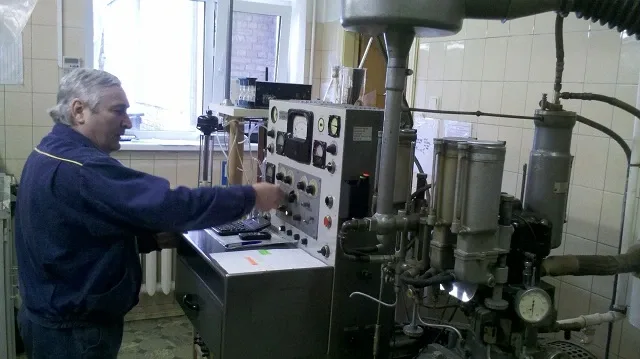
Первым делом проверили октановое число, которое характеризует стойкость топлива к детонации – преждевременному сгоранию бензина в камере сгорания. Детонация вредна для мотора не только повышенным расходом топлива и снижением мощности, но и преждевременным износом двигателя из-за лишних нагрузок. Октановое число измеряли по моторному методу, при котором установка (одноцилиндровый двигатель с изменяемой степенью сжатия) имитирует нагрузку на реальный двигатель. Согласно этому методу норматив установлен на уровне 85,0 единиц (что практически аналогично привычному числу 95 по исследовательскому методу, которое мы видим на заправках). У трёх участников результаты оказались печальными – у трёх образцов сети МОТТО октан оказался от 79,2 единиц у обычного А-95 до 80 единиц у бензина этой сети с приставкой «евро»!!! Это анти рекорд за всю историю исследований – это даже не «девяносто второй»! При этом у партнерской сети WOG – по этому показателю результат в норме. У остальных участников по этому показателю всё было в порядке, а лидерами стали образцы от SOCAR (85,6), ОККО (85,8) и два образца БРСМ – А-95 евро(86 единиц) и А-95 Эко (86,7 единиц).
Далее эксперты проверили ещё один важнейший показатель – содержание серы. Если её в топливе слишком много, это приводит к образованию нагара, загрязнению топливных форсунок и «убивает» катализаторы. К тому же становится «грязнее» выхлоп и в воздух, которым мы дышим, попадают очень опасные окислы. «Безразмерный» ДСТУ для «обычного» 95-го нормирует содержание серы до 0,015% (150 мг/кг), а вот чтобы бензин соответствовал нормативу Евро 5, в нём должно быть не более 0,001% (10 мг/кг). Почувствуйте разницу! В целом, уложились все, каждый в свою номинацию. В «евробензинах» серы практически не было, все оказались соответствующими Евро 5. При этом в некоторых «украинских» образцах оказалась та же картина! Бензины БРСМ и ANP хоть и обозначены на стелах, как обычный А-95, на деле показали практическое отсутствие серы, что говорит об импортном происхождении топлива.
Ещё один немаловажный параметр – содержание бензола. Повышенная концентрация бензола наносит большой вред как окружающей среде, так и автомобилю. Не испаряясь целиком, бензол способен смывать масляную пленку, что приводит к повышенному износу цилиндров двигателя. Согласно старому ДСТУ, массовая часть содержания этого вещества в бензине не должна превышать 5%. Новый ДСТУ нормирует объемную часть содержания бензола на уровне не более 1%. В итоге, все «европейцы», кроме МОТТО (1,3 при нормативе не более 1) показали практическое отсутствие в своём составе этого вредного компонента. У «спиртовиков» бензола было немного больше, но тоже в пределах нормы.
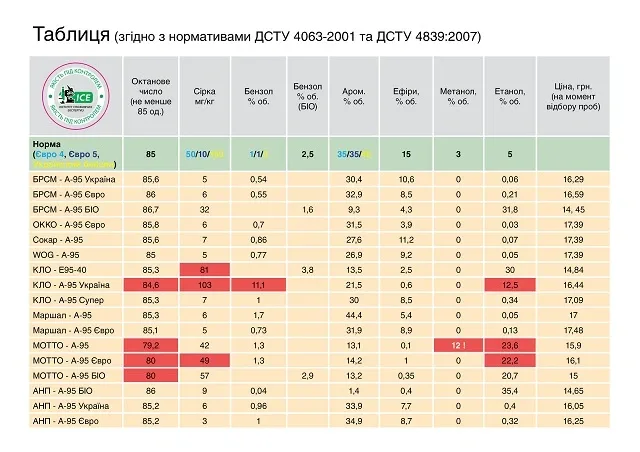
При проверке массовой доли ароматических углеводородов сильных сюрпризов также не обнаружилось. Для справки – при увеличении содержания «ароматики» растет токсичность выхлопа, а в камере сгорания образуется больше нагара. Все показатели – в границах допуска.
Что же касается недорогих спиртовых бензинов, то основным показателем, на котором сконцентрировались эксперты, стало количество этанола и метанола. По идее, этанола в альтернативном топливе должно быть не менее тридцати процентов. У БРСМ (31,8%), КЛО (30%), ANP (35,4%) – с этим всё в порядке. А вот в образце МОТТО этанола оказалось 20,7 %, впрочем, как и в остальных образцах этой сети – обычного А-95 и бензина с приставкой евро, где его вообще быть не должно. Очевидно, что всё это топливо разливалось из одной «бочки», причём скорее всего производилось не в заводских условиях. Но самое плохое заключается в том, что в одном из образцов, купленных на АЗС МОТТО, был обнаружен метанол в количестве 12%.
И что же в итоге? Крупные игроки ОККО, SOCAR, ANP, БРСМ-Нафта, КЛО, WOG подтвердили своё реноме. Цены у некоторых, конечно, высокие, но и качество стабильно. Что же касается сети МОТТО, то судя по результатам, пока рекомендация одна – забыть туда дорогу, поскольку экономия на цене литра неминуемо приведёт к тратам на ремонт топливной системы и двигателя.