Вне зависимости от того, идут ли праздничные дни или будни, АвтоПортал решил осветить позицию юристов по поводу распития спиртного возле машины и границ полномочий сотрудников ГАИ. Речь идет о том, вправе ли инспекторы предъявлять претензии, если мотор не запущен, но капот еще не остыл. Судя по обращениям наших читателей, такой метод используется довольно часто. Не менее часто возникают и вопросы о поездках после «шумной вечеринки», когда водитель считает себя трезвым, но запах алкоголя может стать причиной проблем при общении с патрульными. Особенно это актуально в случае аварии! Даже если вы не виноваты в происшествии, наличие алкоголя в крови может автоматически сделать вас фигурантом дела. Без помощи адвоката здесь точно не обойтись. Впрочем, при любых дорожно-транспортных происшествиях юридическая поддержка необходима – на сайте можно узнать, для чего нужен адвокат по ДТП и какие нюансы существуют в таких делах.
Согласно обновленным правилам, за подобное правонарушение или за нежелание проходить медицинское освидетельствование предусмотрены санкции в виде штрафа от 3,4 до 5,9 тысяч гривен, либо изъятия водительских прав на срок от одного до двух лет, либо административного ареста продолжительностью от 7 до 10 суток. Если нарушение зафиксировано повторно, то наказание ужесточается: лишение прав на 2-3 года с возможной конфискацией транспортного средства или без нее, либо арест на срок от 10 до 50 суток с аналогичными условиями изъятия автомобиля.
Начиная с 14 декабря 2013 года, за управление авто в состоянии опьянения или отказ от прохождения экспертизы грозит штраф в размере 3,4-5,9 тысяч гривен, лишение прав на 1-2 года или административный арест на 7-10 суток
Ранее мы уже рассказывали, к чему приводит отказ от теста на алкоголь, поэтому не будем повторяться. Лучше обратимся к реальным историям, которыми делились читатели АвтоПортала в письмах и комментариях. На вопросы отвечают специалисты юридической компании «Safir Consulting Group»:
АвтоПортал: нередки случаи, когда водитель находится рядом со своим автомобилем (сидит в нем или стоит у гаража) и распивает спиртные напитки. В этот момент мимо проезжает наряд ГАИ, который требует не только показать документы, но и пройти медицинское освидетельствование. Причем инспекторы часто проверяют, насколько прогрелся капот. Мол, если он горячий, значит, водитель пил прямо за рулем. Насколько правомерны такие обвинения и можно ли законно употреблять алкоголь, находясь в припаркованной машине?
Исходя из описанной ситуации, главная опасность здесь – административная ответственность за вождение в нетрезвом виде, а также за отказ от прохождения освидетельствования на состояние опьянения.
Важно обратить внимание на формулировку закона: ответственность за данные правонарушения несет лицо, которое управляет транспортным средством.
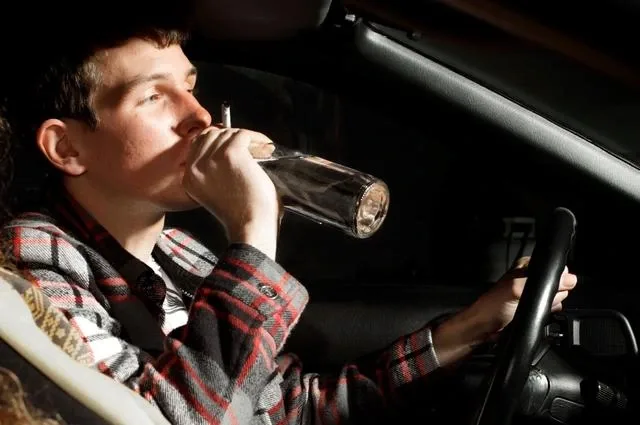
Управлением транспортным средством признается выполнение водительских функций в процессе движения такого транспортного средства, независимо от того, движется ли оно своим ходом или на буксире
В соответствии с Постановлением Пленума ВСУ № 14 от 23.12.2005 года «О практике применения судами Украины законодательства в делах о некоторых преступлениях против безопасности дорожного движения и эксплуатации транспорта, а также об административных правонарушениях на транспорте», управлением транспортным средством считается выполнение функций водителя во время движения такого транспортного средства... вне зависимости от того, передвигается ли транспортное средство самостоятельно или с помощью буксировки. Из этого следует, что правонарушение считается совершенным с того момента, как автомобиль под управлением водителя тронулся с места.
Естественно, предположение о том, что человек, сидящий в машине с теплым капотом, пил алкоголь за рулем, является необоснованным и само по себе не может быть достаточным основанием для определения виновности или невиновности в административном правонарушении. Сотрудникам ГАИ в любом случае необходимо предоставить иные доказательства совершения нарушения.
АвтоПортал: есть ли прецеденты в судебной практике по таким спорам между ГАИ и водителями?
Судебная практика в этом вопросе неоднозначна: решения принимаются как в пользу водителей, так и в пользу инспекции, в зависимости от совокупности доказательств по конкретному делу.
Итог из всего вышесказанного прост - закон не запрещает употреблять алкоголь в салоне автомобиля (если сам факт распития не нарушает другие нормы административного законодательства), но, чтобы избежать конфликтов с сотрудниками ГАИ, которые могут использовать не совсем законные методы, от спиртного лучше воздержаться.
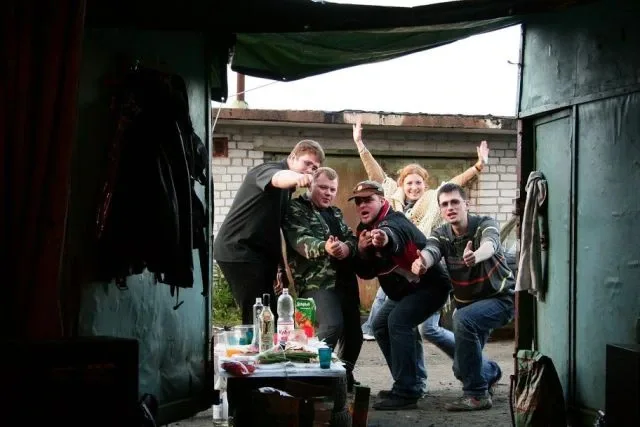
Теплый капот, нахождение водителя в нетрезвом виде в автомобиле или рядом с ним не могут быть полноценным аргументом при решении вопроса о виновности/невиновности в совершении административного правонарушения
АвтоПортал: один из наших читателей рассказал, что ездил в нетрезвом состоянии по полю. Через какое-то время к нему подъехали люди на УАЗе и вызвали ГАИ. В итоге водителя лишили прав. Как вы можете прокомментировать подобную ситуацию?
Данный случай можно рассматривать как минимум с двух сторон (и каждая из них предполагает свои санкции):
- нарушение правил безопасности дорожного движения;
- причинение ущерба владельцу поврежденного имущества.
Наиболее очевидным является управление транспортным средством в состоянии алкогольного опьянения, которое наказывается штрафом, лишением водительских прав на определенный срок или административным арестом на срок от 7 до 10 суток.
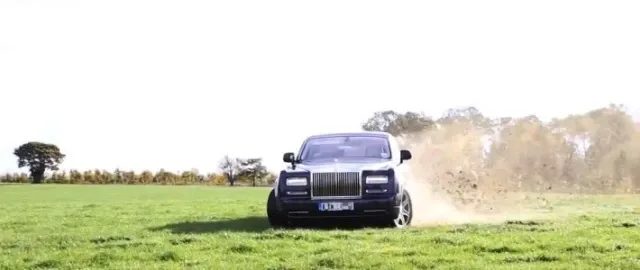
Если же поле было засеяно и принадлежало сельскохозяйственному предприятию, государству, общественной организации или фермерскому хозяйству, то можно говорить о правонарушении, связанном с проездом по посевам на автомобиле или другой технике, за что также предусмотрен штраф. Кроме того, собственник имущества, поврежденного в результате проезда по полю, может подать иск о возмещении убытков в суд, хотя на практике это маловероятно из-за сложности оперативной фиксации таких нарушений.
Выводы
Чтобы не создавать поводов для конфликтов с ГАИ, лучше не пить ни в автомобиле, ни рядом с ним. Если уж возникает желание выпить – делайте это дома и никогда не садитесь после этого за руль. Последствия могут быть крайне серьезными:
P.S. В следующем материале мы расскажем, как отстоять свою правоту, если вы не употребляли алкоголь, а результаты теста или экспертизы ГАИ свидетельствуют об обратном.