Advertising
Renault Sandero: prices and specifications
7 generations Country of origin: France

Renault Sandero: From South America to the Global Market
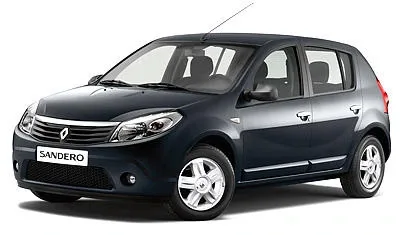
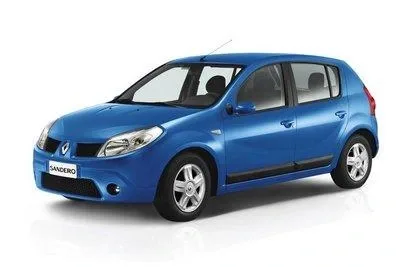
Originally, the Renault Sandero hatchback was created for the South American market. Its "beachy" name is derived from the English word "sand" and the Spanish "sombrero" (beach hat). The success of the budget sedan Logan in South America convinced the management of the French company to bring the new model to the global level.
Work on the car started in 2005. Engineers and designers took the proven Logan sedan on the Dacia B0 platform as a basis. The wheelbase of the new model was reduced by 42 mm, and other dimensions also decreased. The Sandero and Logan do not share any body panels, but their interior and technical content are identical. A pre-production prototype was first shown in Brazil in 2007, and a year later, deliveries to Argentina began.
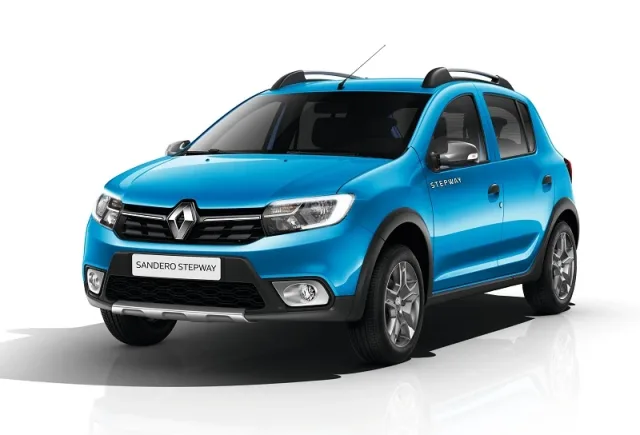
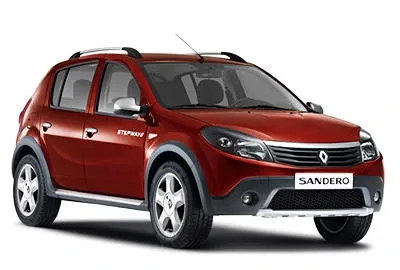
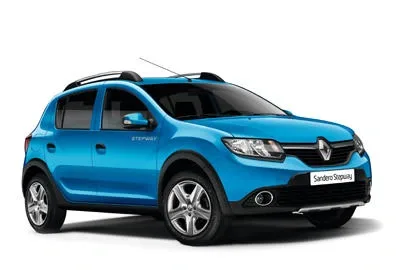
The European premiere took place in spring 2008 at the Geneva Motor Show. In 2009, at the Barcelona exhibition, the off-road version Stepway was introduced — with increased ground clearance, plastic body cladding around the perimeter, and roof rails.
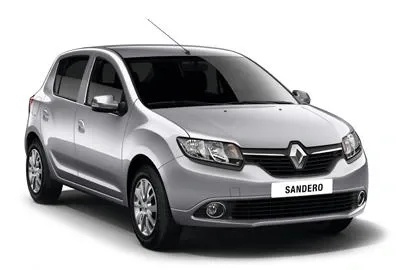
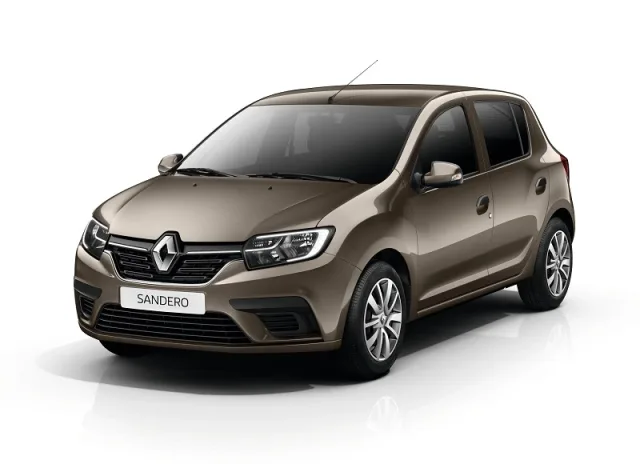
Currently, assembly of the model is established in six countries: Romania, Brazil, Colombia, Russia, Morocco, and South Africa. Deliveries of the hatchback to Ukraine began in 2009. In 2011, Renault carried out a major facelift, but the updated appearance was only available in South America until autumn 2012. The European premiere of the facelifted version took place in 2012 at the Paris Motor Show.
The car is offered with four petrol engines: 1.0, 1.2, 1.4, and 1.6 liters. On the Ukrainian market, the last two engines are available. There is also a diesel engine with a displacement of 1.5 liters. Since 2010, the Sandero has been equipped with factory-installed LPG systems for versions with 1.4 and 1.6-liter engines. All engines are paired with a five-speed manual or a four-speed automatic transmission. Drive — front.