New biofuel under the B20 brand is created by combining standard diesel fuel (80 percent) with oil obtained from coffee grounds (20 percent). The technology company bio-bean has reported the production of 6,000 liters of coffee oil, which is enough to fuel one city bus for a year. The raw material was grounds collected after brewing 2.55 million cups of coffee.
bio-bean founder Arthur Kay noted that this case clearly demonstrates how recycling food waste using modern developments helps reduce dependence on fossil energy sources.
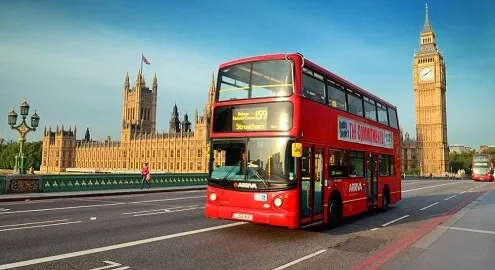
Transport for London (TfL) is gradually converting its bus fleet to various forms of biofuel, which helps reduce harmful emissions. Biodiesel here is made from recycled products, including used cooking oil and animal fat. The use of coffee grounds in such production has become an innovation.
Every year, 200,000 tons of coffee grounds accumulate in the British capital, which were previously sent to landfills. It is planned to recycle this waste, adding residues from instant coffee factories, to obtain oil for mixing with diesel.
London's bus network has 6,500 vehicles.