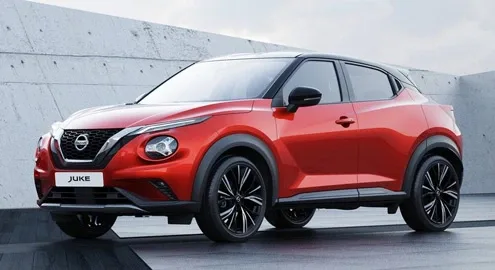
The second Nissan Juke is based on the CMF-B platform of the Renault–Nissan–Mitsubishi alliance, which has already become the base for the new Renault Captur and Clio. The overall length of the crossover is 4210 mm, width 1800 mm, and height 1595 mm, which is 85 mm longer, 170 mm wider, and 30 mm lower than its predecessor.
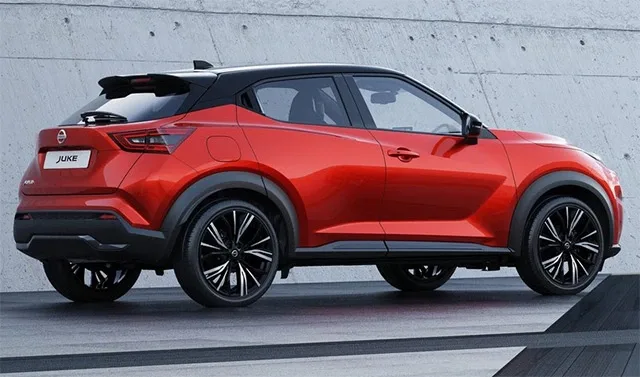
The legroom for rear passengers has increased by 58 mm, and the trunk volume has grown from the previous 354 liters to 422 liters. For example, the trunk of the "older" Qashqai model holds only 8 liters more. Despite the increased dimensions, the crossover is 23 kg lighter than the first-generation model.
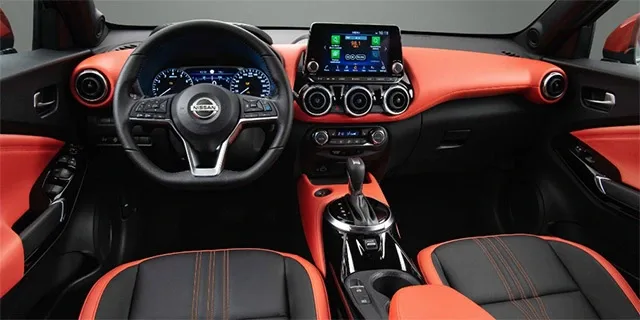
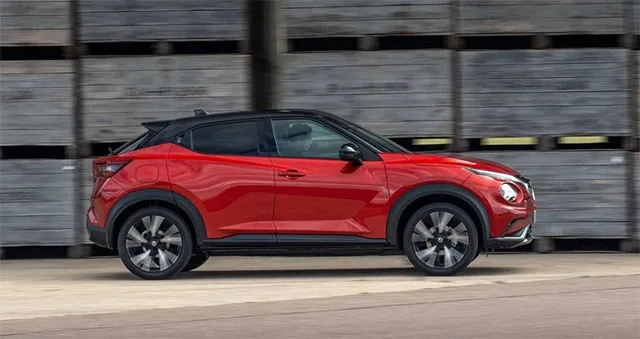
As for the exterior, the new Juke features a body with sharper lines, a completely different radiator grille, and a different design of the upper lighting. At the same time, the crossover retains its recognizable brand features, such as large round headlights. The most noticeable change in the interior is the multimedia display moved to the top, now housed in a separate casing.
At launch, the new Nissan Juke will be offered with a single turbocharged three-cylinder gasoline engine with a displacement of one liter and a power of 117 hp, which also powers the small Micra hatchback. The engine works in conjunction with a six-speed manual gearbox or a seven-speed dual-clutch "robot" that replaces the CVT. It is possible that later the model will get a modification with a more powerful 1.5-liter unit, as well as a "charged" version from Nismo.
After the generation change, the Juke received the ProPilot semi-automatic control system with lane-keeping and active emergency braking functions. In addition, the model is available with the latest version of the NissanConnect infotainment system with an eight-inch touchscreen display, as well as support for Apple CarPlay and Android Auto.
Production of the new Nissan Juke will be set up at the plant in Sunderland, UK. European sales of the crossover are expected to start at the end of November 2019.