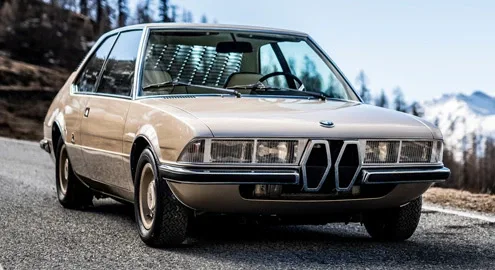
The original car, named after the ski resort Garmisch in southern Germany, was built by the Bertone studio but disappeared shortly after its premiere at the Geneva Motor Show.
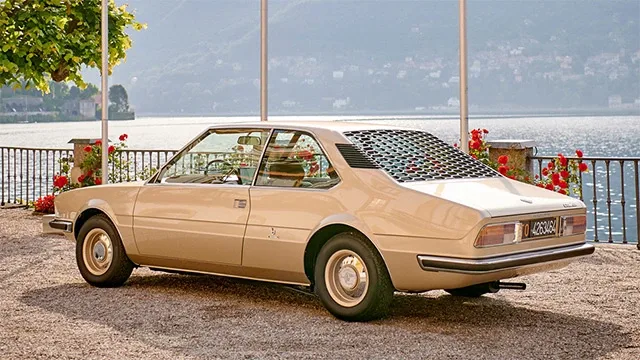
Like the first BMW Garmisch, the recreated version is based on the BMW 2200 TI. The bold yet simple design of the car "demonstrates the new radical styling of the late 60s and early 70s, pioneered by Italian studios Bertone, Italdesign, and Pininfarina." Moreover, the creation of legendary automotive designer Marcello Gandini had a significant influence on the evolution of the German brand's corporate design and personally on Paul Bracq, the creator of the first-generation BMW 5 Series.
Specialists from BMW Group Design and the BMW Classic division were involved in the work on the car. They recreated the appearance of the BMW Garmisch from archival black-and-white photos, and Marcello Gandini himself helped with the details. He recalled the color of the concept's body and the materials used for the interior trim. The current example was assembled by craftsmen in Turin—where the original Garmisch was once built.
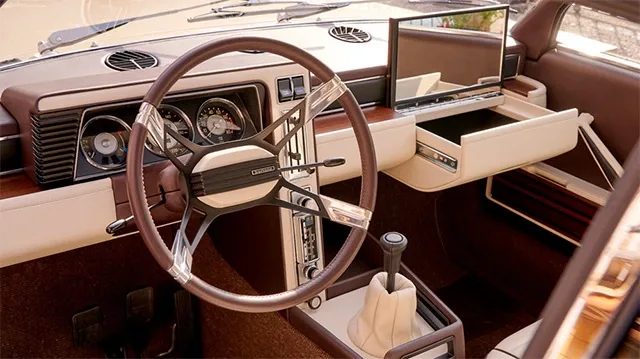
The coupe featured unusual details: an angular interpretation of the signature "kidneys," square headlights covered with glass, louvers on the rear pillars in the style of sports cars, and honeycomb patterns on the rear window. Inside, there was a vertical control unit for the heater and radio, and a large mirror was placed in the glove compartment. All this was meant to impress. According to Gandini, the name was chosen deliberately: at that time, alpine skiing was popular in Italy, and the name Garmisch symbolized "alpine elegance."