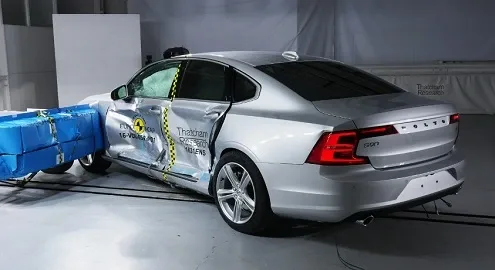
Since 1997, about 1,800 cars have been crashed in European independent tests and more than 630 safety ratings have been published. As representatives of the organization note, thanks to the tests conducted, more than 78,000 lives have been saved.
The first testing cycle involved seven B-class hatchbacks, but only the Ford Fiesta and Volkswagen Polo models were able to get three stars out of the four maximum (at that time). Meanwhile, the Fiat Punto, Nissan Micra, Vauxhall Corsa and Renault Clio received two stars each, and the Rover 100 hatchback got only one.
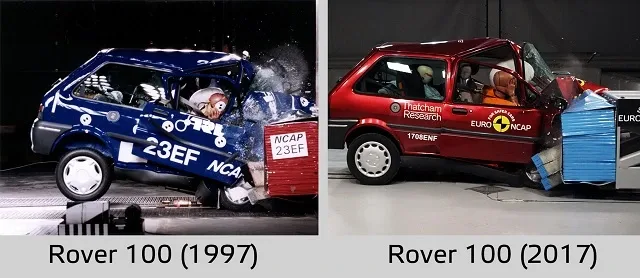
Leading automakers criticized the tests, claiming they were so severe that no car "could" achieve the four-star level. However, five months later, the Volvo S40 sedan became the first car to provide driver and passenger protection at the four-star level.
Gradually, Euro NCAP tests became more and more complex. Modern crash tests check not only the level of protection for the driver, passengers and pedestrians, but also the car's ability to avoid a collision with the help of additional preventive safety systems.
"Marking the 20th anniversary of being at the forefront of road safety, we are proud that the Euro NCAP program has achieved significant, life-saving improvements in cars and has allowed Europe to achieve the lowest road fatality rate compared to any region in the world," noted the organization's Secretary General Michiel van Ratingen.