
Car imports have shown steady growth since the beginning of the year: in January, 14.5 thousand cars were imported, and in May the figure reached its maximum — 22.5 thousand. In June, activity slightly decreased, and then the market moved to a stable state, where fluctuations in the number of registrations were minimal.
Leading brands
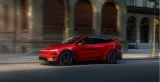
Most often, Volkswagen cars are brought to Ukraine — this brand holds the lead due to low auction prices, a wide model range, and inexpensive spare parts. The second place is occupied by Audi, which remains in demand among buyers who prefer premium. The third line, as before, belongs to Tesla. For now, electric cars enjoy tax benefits, so the brand is in the top, but after the introduction of VAT next year, its position may be shaken.
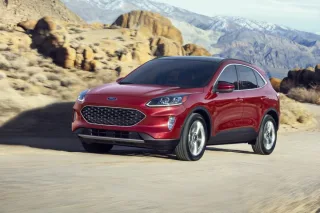
Among electric brands, Nissan has noticeably strengthened — demand for Leaf and other models allowed the brand to rise. In the middle part of the ranking, Renault, BMW, and Ford are stable, and the top ten is completed by Hyundai, Skoda, and KIA.
Model standings
The fiercest rivalry was between Volkswagen Golf and Tesla Model Y. In the end, the German hatchback was ahead, and the electric version e-Golf, which caught the wave of growing interest in electric vehicles, counted in its favor. The third place went to Tesla Model 3, which yielded to its crossover "brother."
The top ten also included Volkswagen Tiguan, Nissan Leaf (which overtook Skoda Octavia by a small margin), Audi Q5, KIA Niro, Volkswagen Passat, and Nissan Rogue.
Age and luxury
In September, the average age of imported cars was 8.4 years — slightly less than a month earlier. At the same time, in the premium segment, the Ukrainian car fleet was replenished with rare specimens: one Lamborghini, two Bentley, Rolls-Royce, and Ferrari each, as well as six Maserati.