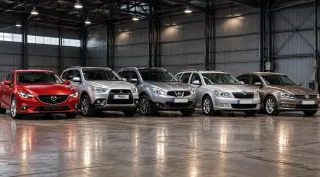
The WhatCar? study is based on a survey of 13,000 British motorists. They were asked about faults in their cars that occurred over the last year of ownership, how long the vehicle spent in the workshop, and how expensive the repair was. Breakdowns across a wide range of categories were taken into account – from bodywork and engine with transmission to interior trim, dashboard, and multimedia system (and even the 12-volt battery).
In total, 175 models from 31 brands were analyzed. The information obtained from the survey was used by our British colleagues to create their unique reliability rating. Below are some of its results (the reliability percentage for each model is shown in brackets).
The most unreliable cars up to 20 years old
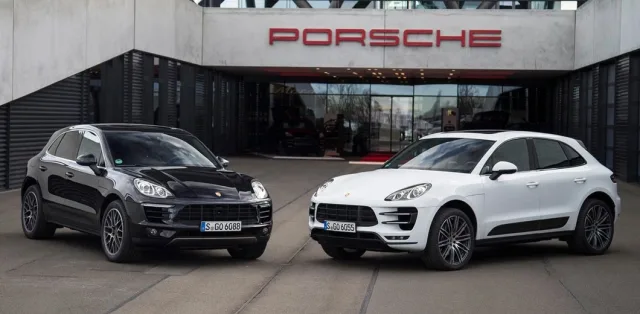
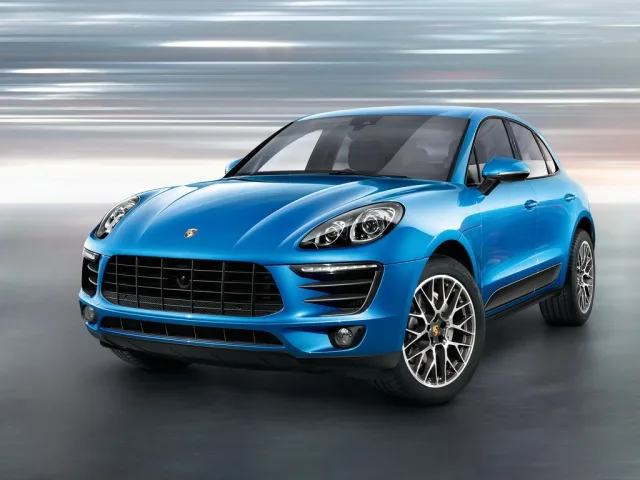
1. Porsche Macan (2014-present): 40.4%;
2. BMW X5 (2007-2013): 42.6%;
3. Nissan Qashqai (2007-2014): 45.6%;
4. Land Rover Discovery (2004-2017): 45.7%
5. Diesel Nissan Qashqai (2014-2021): 46.3%;
6. Land Rover Discovery Sport (2014-present): 51.4%;
7. Skoda Octavia (2004-2013): 54.4%;
8. Mercedes A-Class (2005-2012): 56.3%;
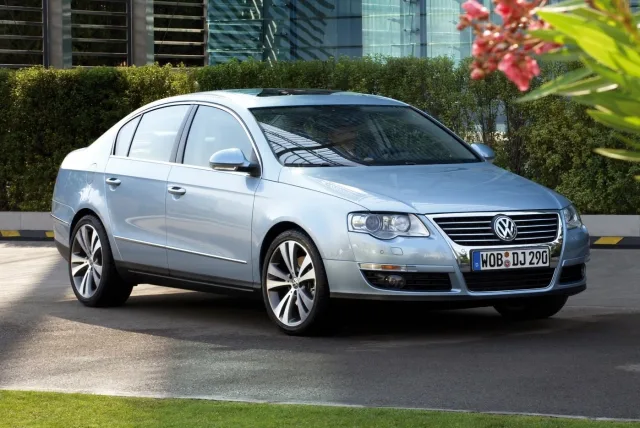
9. Volkswagen Passat (2005-2015): 57.9%;
10. Opel Zafira (2005-2015): 60.6%;
11. Volkswagen Tiguan (2007-2016): 61%;
12. Citroen Grand C4 Picasso (2014-present): 61.7%;
13. Volkswagen Touran (2003-2015): 63.3%;
14. Mazda 6 (2007-2012): 63.5%;
15. Ford Mondeo (2007-2014): 64.8%;
16. Porsche 911 (2004-2011): 71.9%;
17. Opel Corsa (2006-2012): 73.0%;
18. BMW 6-Series (2011-2018): 73.7%;
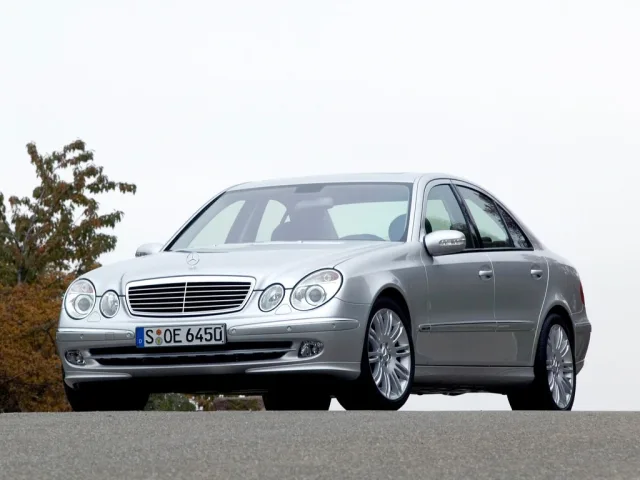
19. Mercedes E-Class (2002-2009): 74.9%;
20. Diesel Volkswagen Golf (2009-2013): 74.9%;
21. Volvo XC90 (2002-2015): 75%;
22. Jaguar XF (2007-2015): 76.5%;
23. Range Rover Sport (2013-present): 76.5%;
24. Audi A6 (2011-2018): 76.7%;
25. BMW 2 Series Active / Gran Tourer (2015-present): 78.3%.