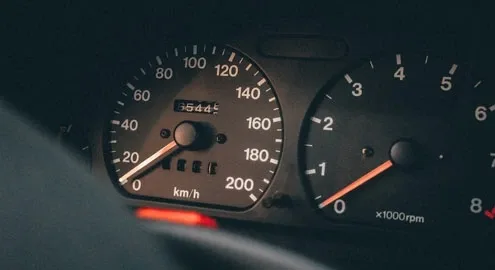
carVertical presented the findings of its research in a large article, and we will only retell the main points. Namely, the experts found that:
- Most often, mileage is rolled back on diesel cars, since they cover long distances. Among all diesel cars that participated in the check, rolled-back mileage was found in 74.4% of vehicles!
- For gasoline cars, on the other hand, odometer readings are tampered with much less often – in 25% of cases. Electric vehicles and hybrids are practically not subject to rollback – only 0.6% of the total.
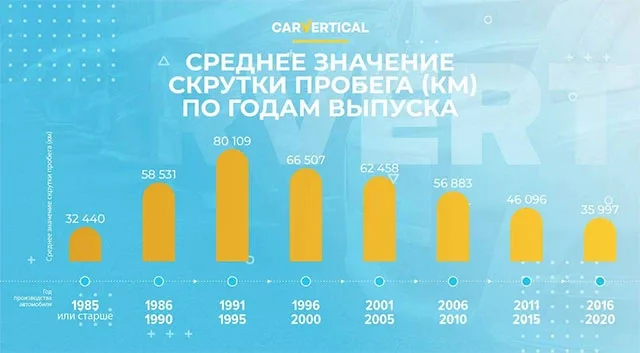
- In addition, mileage is most often rolled back on old cars, manufactured in 1991-1995. On average, 80,000 km are rolled back.
- At the same time, for newer cars, mileage is also rolled back! For example, for cars manufactured in 2016-2020, sellers “prefer” to lower the dashboard readings by an average of 36,000 km.
- Cases of rollback by 200 and even 400 thousand km of mileage were identified, although it is well known that this is not the limit.
Why do they roll it back? It's simple – to earn more on the car when selling. According to carVertical estimates, rolled-back mileage allows inflating the car's price by up to 25%.