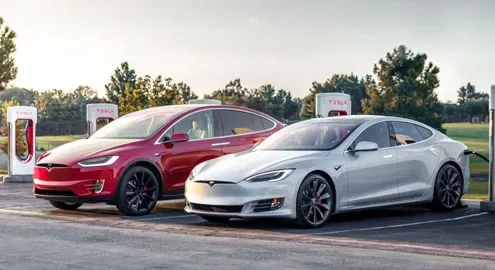
A total of 15 cars of different makes and models took part in the test, of which 6 cars showed poor results, 5 of which were Teslas. However, it's not that simple.
The starting point for the test was the EPA range estimate - one of the strictest cycles that determines the fuel efficiency of cars. Edmunds journalists took it as a basis and compared it with the results they got.
To do this, they drove each car until the onboard computer showed a remaining range of 10 miles (16 km). After that, the experts added both values together (distance traveled + remaining according to the onboard computer) and got the final range.
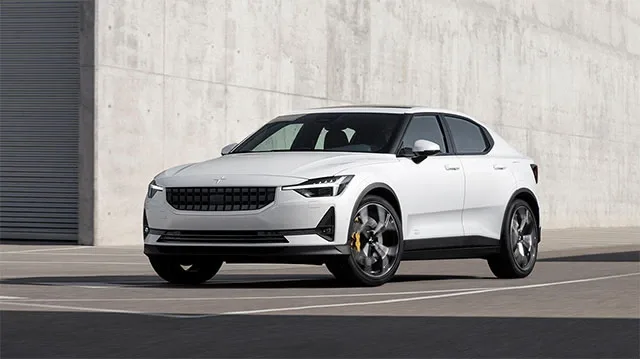
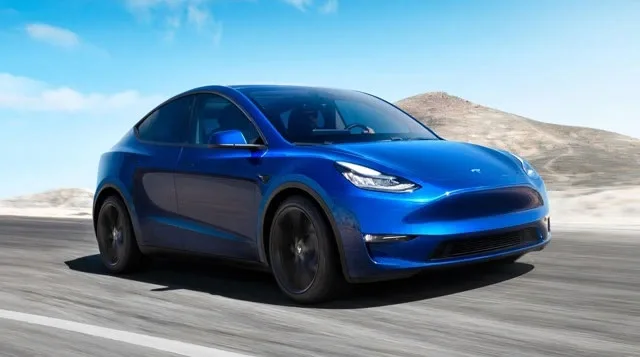
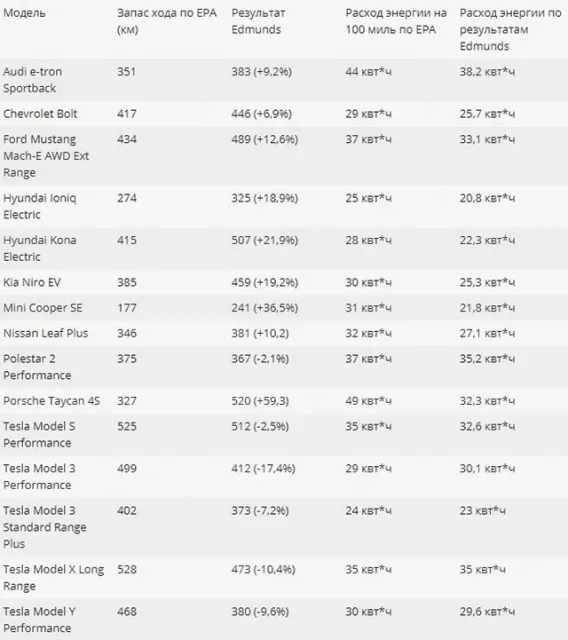
As a result, 9 out of 15 electric cars traveled more in the Edmunds test than stated by the EPA. The only exceptions were Tesla electric cars, not counting the Swedish Polestar 2 (and its "lag" is not very large). In particular, the Model 3 Performance sedan covered 412 km instead of 499 km (-17.4%), Model X Long Range - 473 km instead of 528 km (-10.4%), Model Y Performance - 380 km instead of 468 km (-9.6%). The same situation applies to the Model 3 Standard Range Plus and Model S Performance: the first traveled 373 km instead of the stated 402 km (-7.2%), and the second - 512 km instead of 525 km (-2.5%).
However, the accuracy of these results can be questioned. The fact is that Tesla owners have repeatedly written on forums that after the onboard computer showed zero charge, the car could still travel several kilometers, or even tens of kilometers.
That is, to find out the exact maximum range of the California manufacturer's cars, journalists needed to drive until each electric car stopped due to a completely discharged battery, rather than ending the test when the onboard computer showed 16 km. Apparently, Teslas are configured in such a way that they warn drivers about an imminent discharge earlier than other "electric cars". This is indirectly confirmed by the results of energy consumption comparison - both in the case of EPA and Edmunds, Tesla electric cars showed approximately the same energy consumption per 100 miles (160 km) of travel.
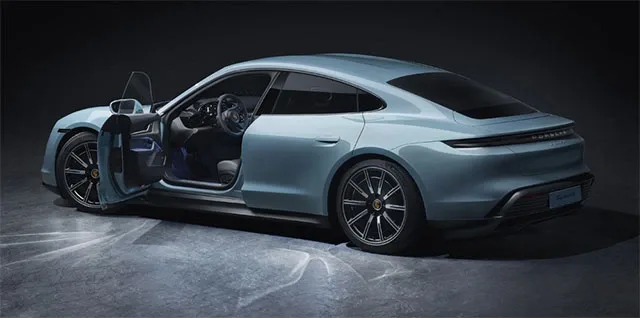
But the models that surprised with results (traveled more than expected) from a positive point of view are Porsche Taycan 4S (520 km instead of the stated 327 km), Mini Cooper SE (241 km instead of 177 km), Hyundai Kona Electric (507 km instead of 415 km) and Kia Niro EV (459 km instead of 385 km).
The overall comparison results can be seen below. For convenience, miles were converted to kilometers, and in addition to the range, the energy consumption of each electric car is also indicated.